
Niko Niko Calrose Rice: Compare 4 Rice Options

Niko Niko Calrose Rice is the named Niko Niko Calrose rice option, and its three 5-pound bags make it the fit when you want to split a 15-pound supply into smaller packages. Choose another option if you want a different pack size or a specifically labeled sushi rice.
We earn a commission if you buy through links on this page. As an Amazon Associate I earn from qualifying purchases. Products are compared on manufacturer specifications, not hands-on testing.
- Best overall: Niko Niko Calrose Rice – It is the named Niko Niko Calrose rice and comes in three 5-pound bags.
- Best for Calrose alternative: Botan Calrose Rice – The two-bag pack is Botan Calrose, in 5-pound bags.
- Best for sushi rice: Nishiki Premium Sushi Rice – It is specifically named premium sushi rice in a 10-pound pack.
| Product | Best for | Rice type | Pack size | Bag count | Shop |
|---|---|---|---|---|---|
| Niko Niko Calrose Rice | Split bag storage | Calrose rice | 15 lb | 3 | Check Price on Amazon |
| Botan Calrose Rice | Calrose alternative | Calrose rice | 10 lb | 2 | Check Price on Amazon |
| Kokuho Rose Medium-Grain Rice | Large single bag | Medium-grain rice | 15 lb | 1 | Check Price on Amazon |
| Nishiki Premium Sushi Rice | Sushi-style meals | Sushi rice | 10 lb | 1 | Check Price on Amazon |
Niko Niko Calrose Rice and Alternatives
Compare the rice type and package format to choose a fit for your cooking and pantry routine.
Niko Niko Calrose Rice

Niko Niko Calrose Rice is the only Niko Niko Calrose option here, packaged as three 5-pound bags for a total of 15 pounds. That split format suits households that prefer to open one bag at a time rather than handle a single large sack. The maker identifies the rice as Calrose but gives no grain processing or cooking guidance, so use a rice-to-water ratio suited to your cooker and preferred texture. This is the right match when the Niko Niko name and three-bag format matter; choose another option if you need an explicitly labeled sushi rice.
Bottom line: Pick this if you want Niko Niko Calrose rice in three manageable 5-pound bags.
Botan Calrose Rice

Botan Calrose Rice is another Calrose option, but it is Botan rather than the Niko Niko brand and comes as two 5-pound bags. Its features call it medium-grain milled rice and identify it as U.S. No. 1 extra fancy, so it is a closer type match than a specifically sushi-labeled rice. The split packaging keeps each bag to 5 pounds, though the overall quantity is 5 pounds less than Niko Niko Calrose Rice. Choose it when a Calrose rice alternative is acceptable and the two-bag format suits your pantry.
Bottom line: Choose this for Botan Calrose in two 5-pound bags.
Kokuho Rose Medium-Grain Rice
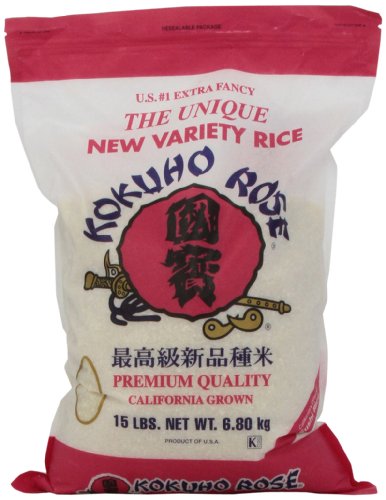
Kokuho Rose Medium-Grain Rice differs from Niko Niko in both brand and package format: it is one 15-pound bag of California-grown medium-grain milled rice. Its features also identify it as kosher certified and gluten- and wheat-free. The single bag holds the same total weight as Niko Niko Calrose Rice, but offers no smaller sealed bags within that pack, so it may be less convenient if you want to portion storage. Consider it when a California-grown medium-grain is suitable and you prefer one larger bag.
Bottom line: Pick this if you want a single 15-pound bag of California-grown medium-grain rice.
Nishiki Premium Sushi Rice

Nishiki Premium Sushi Rice is the distinct-purpose alternative: its name identifies it as premium sushi rice, and the pack contains one 10-pound bag. Unlike the Calrose options, the maker does not identify its grain type, so the sushi rice label is the useful point of comparison rather than a claim that it is the same rice. The pack is 5 pounds smaller overall than Niko Niko Calrose Rice and comes as one bag. Choose it when sushi rice is the priority; select a Calrose option if matching that rice type is essential.
Bottom line: Choose this when the sushi rice designation matters more than matching Calrose.
How to choose Calrose rice
Calrose is a medium-grain rice, and the key choice here is whether to prioritize the named brand, package format, or another rice use. Medium-grain rice generally cooks up moist and tender; the amount of water and resting time affect the final texture. For this group, compare the split bags against the single-bag formats and distinguish Calrose from rice labeled for sushi. A practical rule: choose a multi-bag pack if you want to open only part of a 10- or 15-pound purchase at a time; choose a single bag if you have room to store it sealed after opening. Bag count changes handling, not the rice variety.
Calrose and sushi rice differences
Calrose refers to medium-grain rice, while sushi rice describes rice suited to preparation for sushi; those labels do not prove that two packages contain the same variety. Medium-grain rice tends to be shorter and plumper than long-grain rice and can become sticky enough for dishes where grains should hold together. Sushi preparation typically seasons cooked rice with a vinegar mixture, then cools and handles it carefully so it can be shaped. Rinsing can remove loose surface starch and reduce excess gumminess, though cooks may adjust rinsing and water for their desired result. Use the specific rice type and cooking method as your selection guide rather than assuming every medium-grain bag is interchangeable.
How much rice to buy and store
Dry rice expands to roughly three times its volume when cooked, so a 5-pound bag represents multiple meals rather than a single cooking batch. Pantry space and how quickly you use rice matter as much as total quantity: multi-bag packaging lets you leave unopened bags sealed while using one. Avoid storing rice near a sink, dishwasher, or other humid area. Check the package for its own storage and cooking guidance before opening, especially if you are preparing a new rice type.
Cooking medium-grain rice consistently
Medium-grain rice often benefits from rinsing until the runoff is less cloudy, followed by a consistent water measure and a covered rest after cooking. Rice cookers and stovetop pots can call for different water amounts, so use the appliance guidance as a starting point and adjust only after observing the texture. Do not lift a pot lid repeatedly during cooking: escaping steam can leave the rice unevenly cooked. A decision rule for texture is simple: if cooked grains seem too firm, add a small amount of water next time; if they seem too soft, reduce it modestly. Allowing the rice to sit covered for about 10 minutes after heat is off helps moisture distribute before fluffing.
Frequently Asked Questions
Is Niko Niko rice a Calrose rice?
Yes, the product is named Niko Niko Rice Calrose. Its package is three 5-pound bags, totaling 15 pounds.
How many bags come in the Niko Niko pack?
The Niko Niko pack contains three bags, each 5 pounds. The combined package weighs 15 pounds.
Should I rinse Calrose rice before cooking?
Rinsing is a useful way to remove loose surface starch and limit excess gumminess. Rinse until the water is less cloudy, then follow the cooking directions for your rice cooker or pot.
How should I store opened rice?
Keep opened dry rice in an airtight container in a cool, dry place. Moisture and pantry pests are reasons to avoid leaving a bag loosely folded in a humid area.
Can I use medium-grain rice for sushi?
Medium-grain rice can have the sticky texture useful for shaping, but medium-grain alone does not establish that a package is intended for sushi. Choose rice labeled for sushi if that use is your priority.