
Best Fishing Hook Remover Tools Compared by Reach

CRAZY SHARK 13.6-Inch Hook Remover is the best fishing hook remover for most anglers because its 13.6-inch reach gives more room to work than compact extractors. Choose a shorter spiral tool if packability matters more, or a kit if you also need pliers and line-cutting functions.
We earn a commission if you buy through links on this page. As an Amazon Associate I earn from qualifying purchases. Products are compared on manufacturer specifications, not hands-on testing.
- Best overall: CRAZY SHARK 13.6-Inch Hook Remover – Its 13.6-inch reach provides more working distance than the shorter options.
- Best for a four-tool set: Four-Piece Stainless Spiral Extractor Set – It includes four stainless-steel spiral extractors in different colors.
- Best for compact carry: Two-Pack 7-Inch Spiral Hook Removers – The two-piece set uses 7-inch spiral removers and separate storage tubes.
- Best for tackle tasks: DRMBIGA 3-Piece Fishing Tool Kit – The kit pairs two hook removers with pliers that cut line and open split rings.
| Product | Best for | Length | Material | Included pieces | Shop |
|---|---|---|---|---|---|
| CRAZY SHARK 13.6-Inch Hook Remover | Longer reach | 13.6 in | Aluminum, stainless steel | 1 tool | Check Price on Amazon |
| Four-Piece Stainless Spiral Extractor Set | Multiple extractors | — | Stainless steel | 4 tools | Check Price on Amazon |
| Two-Pack 7-Inch Spiral Hook Removers | Compact carry | 7 in | Aluminum, stainless steel | 2 tools | Check Price on Amazon |
| DRMBIGA 3-Piece Fishing Tool Kit | Tackle versatility | 6.5 in | Stainless steel, aluminum | 3 tools | Check Price on Amazon |
Fishing hook removers
Compare reach, construction, and included tools to choose an extractor that suits your fishing setup.
CRAZY SHARK 13.6-Inch Hook Remover
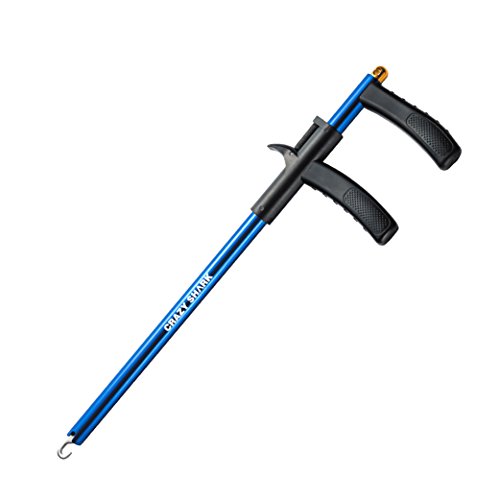
CRAZY SHARK 13.6-Inch Hook Remover has the longest reach among these standalone removers, at 13.6 inches. Its aluminum tube, stainless-steel hook, and ergonomic plastic handle form a single-purpose extractor; the maker says the materials resist saltwater corrosion. That extra reach can help keep fingers farther from a fish’s mouth when positioning the tool. Choose it when reach is a priority and a longer handle fits your tackle storage. Its 13.6-inch size is less compact than the 6.5- and 7-inch options, which matters when minimizing packed gear.
Bottom line: Choose this if longer reach matters more than compact storage.
Four-Piece Stainless Spiral Extractor Set

Four-Piece Stainless Spiral Extractor Set stands out for its four-piece set of stainless-steel spiral extractors, each packed in a storage tube. The maker says the spiral design can remove hooks from different angles and that the ring opening adjusts for different line and hook sizes. Four separate tools make sense for anglers who want spares or different extractors ready in a tackle kit. The set does not give a length, so choose it for the multi-tool format rather than a specific reach; anglers needing a known handle length should compare the measured options instead.
Bottom line: Pick this when having four spiral extractors is useful.
Two-Pack 7-Inch Spiral Hook Removers
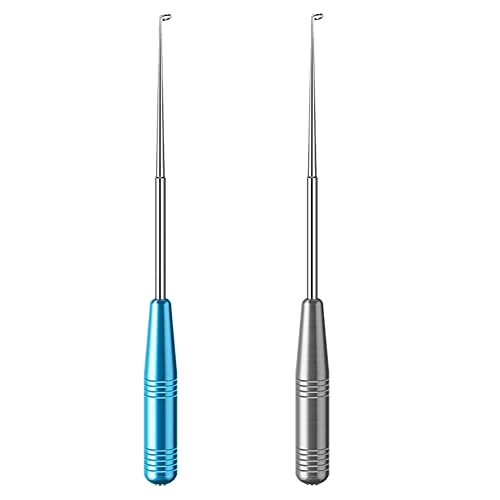
Two-Pack 7-Inch Spiral Hook Removers is the compact two-piece choice, with each spiral remover measuring 7 inches and packed in its own long plastic tube. The maker says the spiral head slides down the line to release the hook and that an adjustable ring mouth accommodates different line thicknesses. The set also has a magnetic bottom for attracting hooks. Two tools offer a spare without the longer reach of CRAZY SHARK 13.6-Inch Hook Remover. Consider the shorter length when tackle-bag space matters, but choose a longer tool if more distance between your hand and the fish’s mouth is your priority.
Bottom line: Choose this for a pair of short, tube-stored extractors.
DRMBIGA 3-Piece Fishing Tool Kit

DRMBIGA 3-Piece Fishing Tool Kit combines two 6.5-inch stainless-steel hook removers with spring-loaded split-ring pliers. The pliers also include a line cutter and split-shot crimper, so this set serves more tackle tasks than the single-purpose extractors. The maker says the removers have magnetic tips for retrieving dropped hooks and small tackle. Choose the kit if those extra functions are useful and you prefer short tools. Its 6.5-inch length gives less reach than CRAZY SHARK 13.6-Inch Hook Remover, so it is not the best fit when distance from a fish’s mouth is the deciding factor.
Bottom line: Pick this if you want hook removal and several plier functions together.
How to choose a fishing hook remover
Choose by reach first: a 13- to 14-inch extractor offers more distance for working on a fish than a 6- to 7-inch tool, while the shorter tool packs more easily. Spiral removers travel along the line toward the hook; plier-style tools grip or manipulate a hook directly. For a hook set deep in the mouth, prioritize a tool long enough to reach without putting fingers near the teeth or gills. If you fish with varied hook sizes, an adjustable opening or more than one extractor can be useful. Compare the length rather than overall package dimensions, and make sure the handle remains controllable in your hand.
Hook-removal safety and fish handling
Keep the fish supported and close to the water while removing a hook; prolonged handling and dropping fish can cause injury. Wet your hands before touching a fish, and avoid squeezing its body or touching the gills. For a hook near the mouth, use the extractor to control the hook rather than reaching in with fingers. Barbed hooks can be harder to back out; pinching the barb down before fishing can make release easier, where local rules permit. If the hook is swallowed or removal risks serious injury, cutting the line close to the hook may be safer than forcing it out. Check local regulations for species-specific handling rules.
Long-reach and compact extractors compared
Long-reach and compact removers trade working distance for portability. The table gives a practical way to match the tool format to the task; it is a selection guide, not a guarantee that a particular length suits every fish.
| Need | Choose | Why |
|---|---|---|
| More distance from the mouth | 13–14-inch remover | Longer reach for tool placement |
| Smaller tackle footprint | 6–7-inch extractor | Shorter tool for compact storage |
| Several tackle functions | Remover and plier kit | Combines hook removal with other tasks |
Tool length is not a substitute for a safe approach. A fish’s size, hook location, and access to the mouth all affect whether a given extractor can be used comfortably.
How to use and care for a hook remover
Use the tool to guide the hook back along its entry path rather than pulling against the bend; reducing unnecessary twisting helps limit tissue damage. Keep the line controlled, place the extractor on the hook shank, and apply steady pressure. Rinse saltwater residue from metal tools with fresh water after use and let them dry before storage; salt deposits can promote corrosion even on corrosion-resistant materials. Check moving joints and spring-loaded handles before a trip, and store pointed ends in a tube or sheath so they do not catch hands or damage tackle. Never leave a sharp hook loose in a pocket or bag.
Frequently Asked Questions
How long should a fishing hook remover be?
A 12- to 14-inch tool gives more reach, while 6- to 7-inch models take less room in a tackle bag. Choose the longer range when keeping your hand farther from the fish’s mouth is important.
Can a hook remover release a swallowed hook?
A long-reach tool may reach farther into a fish’s mouth, but do not force removal when the hook is swallowed or removal could cause serious injury. Cutting the line close to the hook can be safer in that situation.
Should I use pliers or a spiral extractor?
Spiral extractors travel down the line toward the hook, while pliers grip and manipulate the hook directly. Pick the format that fits the hook’s position and your ability to access it without putting fingers near teeth or gills.
How do I reduce harm when removing a fish hook?
Keep the fish supported near the water and wet your hands before handling it. Avoid squeezing the body or touching the gills, and use a tool rather than fingers around the hook.
How should I clean a saltwater hook remover?
Rinse metal tools with fresh water after saltwater use and dry them before storage. Check joints for salt or debris, and cover pointed ends when packing them.