
Benzoyl Peroxide for Scalp: 5 Options Compared

For a leave-on option marketed for scalp bumps, Folliculitis Treatment Cream, 5% is the closest match because it combines 5% benzoyl peroxide with a scalp-focused cream formula. Choose Folliculitis Treatment Cream, 5% with Centella instead if you want a formula featuring centella and ceramides; the 10% acne gel and washes are aimed at general acne rather than scalp use.
Benzoyl peroxide is an acne-fighting ingredient, but applying it to the scalp can irritate skin and bleach hair or fabrics. Start cautiously and keep it away from eyes and colored hair.
We earn a commission if you buy through links on this page. As an Amazon Associate I earn from qualifying purchases. Products are compared on manufacturer specifications, not hands-on testing.
- Best overall: Folliculitis Treatment Cream, 5% – A 5% cream marketed specifically for scalp bumps, with aloe vera and menthol.
- Best for a centella formula: Folliculitis Treatment Cream, 5% with Centella – A 5% scalp-and-body cream featuring centella and ceramides.
- Best for a rinse-off format: PanOxyl Acne Foaming Wash, 10% – A 10% foaming wash made for face and body acne rather than scalp-specific use.
| Product | Best for | Benzoyl peroxide | Format | Size | Shop |
|---|---|---|---|---|---|
| Folliculitis Treatment Cream, 5% | Scalp bump cream | 5% | Leave-on cream | 3.53 oz | Check Price on Amazon |
| Folliculitis Treatment Cream, 5% with Centella | Centella formula | 5% | Leave-on cream | 3.53 oz | Check Price on Amazon |
| Amazon Basics 10% Acne Treatment Gel | Targeted acne gel | 10% | Leave-on gel | 1 fl oz | Check Price on Amazon |
| PanOxyl Acne Foaming Wash, 10% | Foaming acne wash | 10% | Foaming wash | 5.5 oz | Check Price on Amazon |
| CeraVe Acne Foaming Cream Wash, 10% | Moisture-focused wash | 10% | Cream-to-foam wash | 5 fl oz | Check Price on Amazon |
Benzoyl Peroxide for Scalp Options
The main distinction is whether a formula is marketed for scalp bumps or for general face and body acne.
Folliculitis Treatment Cream, 5%
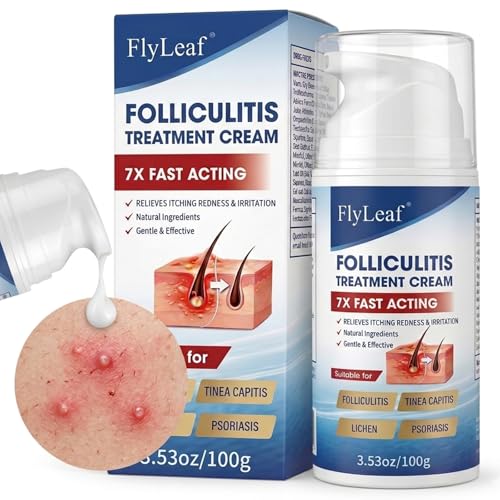
Among these options, this cream is explicitly marketed for scalp bumps and uses 5% benzoyl peroxide rather than the 10% strength found in the general acne products. The formula also includes tea tree oil, menthol, and aloe vera; the maker says menthol and aloe vera soothe itchy, irritated skin. Its cream format may suit someone seeking a targeted leave-on product instead of a cleanser. Benzoyl peroxide can dry or irritate skin and bleach hair or fabric, so apply carefully and stop if irritation becomes significant.
Bottom line: Choose this if you want a scalp-focused 5% leave-on cream.
Folliculitis Treatment Cream, 5% with Centella

This scalp-and-body cream stands out for its centella and ceramides, alongside 5% benzoyl peroxide. The maker markets it for scalp, back, and buttock bumps and says the formula is intended to address itching and redness. That broader positioning may suit someone who wants one leave-on cream for more than one affected area. It is still a benzoyl peroxide treatment, not a substitute for diagnosing a persistent or worsening scalp problem; irritation and hair bleaching remain practical concerns with this ingredient.
Bottom line: Pick this if centella and ceramides matter in a scalp cream.
Amazon Basics 10% Acne Treatment Gel
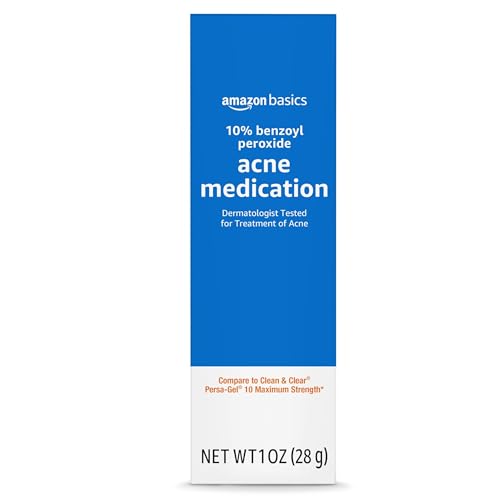
This is a 10% leave-on acne gel, not a scalp-specific formula, making it a less direct fit than the 5% creams. The maker directs users to apply a thin layer to affected skin after cleansing and to avoid the eyes, mouth, and nose. A small tube may appeal for targeted use on ordinary acne blemishes, but the higher concentration can be irritating, and hairline application raises the risk of bleaching hair or fabric. Do not assume that directions for facial acne establish scalp suitability.
Bottom line: Consider it for targeted acne only if scalp use is appropriate for you.
PanOxyl Acne Foaming Wash, 10%

Unlike the scalp-targeted creams, this 10% benzoyl peroxide product is a rinse-off foaming cleanser for face and body acne. The maker says it is intended for the face, chest, and back, so its use does not specifically cover the scalp. A wash format can be easier to rinse away than a leave-on gel, but that does not remove the need to protect hair and fabrics from bleaching or to watch for irritation. Choose it for its face-and-body cleanser format, not as a scalp-specific treatment.
Bottom line: Choose this for a face-and-body acne wash, not specifically for scalp bumps.
CeraVe Acne Foaming Cream Wash, 10%

This 10% cleanser combines a cream texture that foams with niacinamide and hyaluronic acid, distinguishing it from the other wash and leave-on formats. The maker positions it as a face and body acne cleanser, not as a scalp-specific product. It may suit someone looking for a cleanser with those additional ingredients, but the 10% benzoyl peroxide strength can still irritate skin. Keep the product away from hair and colored towels, and do not treat its facial and body positioning as evidence that it is intended for scalp application.
Bottom line: Pick this for a face-and-body cleanser with niacinamide and hyaluronic acid.
How to choose benzoyl peroxide for scalp bumps
For scalp use, start with a product specifically marketed for the scalp rather than assuming a face or body acne product is suitable. The options here separate into 5% leave-on creams for scalp bumps and 10% acne gels or washes intended for other areas. Benzoyl peroxide acne products commonly use concentrations from 2.5% to 10%; higher strength does not automatically mean a better fit and may increase irritation. If you have sensitive or broken skin, avoid applying it until you can get suitable advice. A clear decision rule is to choose a scalp-marketed 5% cream over a 10% face-and-body product when scalp use is your goal.
How to apply benzoyl peroxide near hair
Keep benzoyl peroxide off hair, eyebrows, towels, and pillowcases because the ingredient can bleach hair and fabrics. Apply a small amount to a limited skin area first, avoid the eyes and mucous membranes, and wash hands after handling it. The gel here directs users to apply a thin layer after cleansing, but that instruction is for acne blemishes and does not establish a scalp regimen. Wash formats are rinsed off, while creams and gels are leave-on products; do not transfer contact-time directions between formats. Stop using a product if it causes pronounced burning, swelling, or a severe rash, and seek medical help for a serious reaction.
Scalp bumps that need a different approach
Scalp bumps can have causes other than acne, and appearance alone may not identify the cause. Painful, spreading, recurring, pus-filled, or scar-forming bumps warrant medical evaluation, particularly if they persist despite gentle care. Avoid picking or squeezing bumps, which can break the skin and worsen irritation. Benzoyl peroxide may dry skin, so avoid combining it with other irritating scalp treatments without professional guidance. If symptoms include significant pain or fever, seek prompt medical care rather than relying on an over-the-counter acne product.
Scalp product formats compared
Format helps narrow the choice: creams and gels stay on skin, while washes are rinsed away. The intended treatment area still matters more than format alone; neither 10% wash in this group is marketed specifically for scalp use.
| Format | Options here | Fit for scalp bumps |
|---|---|---|
| Leave-on cream | 5% benzoyl peroxide | Scalp-marketed choices |
| Leave-on gel | 10% benzoyl peroxide | General acne use |
| Foaming wash | 10% benzoyl peroxide | Face and body acne use |
Do not leave a cleanser on longer to imitate a leave-on treatment. Follow the specific product’s directions and protect hair and fabrics during use.
Frequently Asked Questions
Can benzoyl peroxide bleach hair or towels?
Yes. Benzoyl peroxide can bleach hair and fabrics, so keep it off hair and use white towels or pillowcases while it may be in contact.
Is 10% benzoyl peroxide stronger than 5%?
Yes, 10% is twice the concentration of 5%, but higher strength is not automatically a better scalp choice. More concentrated products may irritate skin, so use a scalp-marketed formula rather than selecting by percentage alone.
Can I use a face wash on scalp bumps?
A face-and-body acne wash is not necessarily intended for the scalp. The 10% washes here are marketed for face and body, so choose a scalp-specific product or ask a clinician before using one on your scalp.
When should scalp bumps be checked by a clinician?
Arrange medical evaluation for bumps that are painful, spreading, recurring, pus-filled, or leaving scars. Fever or rapidly worsening symptoms call for prompt care rather than continued self-treatment.