
Best Compression Socks for Summer: 5 Picks Compared

CHARMKING 15–20 mmHg Compression Socks is the best choice for most people seeking compression socks for summer because its fabric is described as breathable and designed to maintain an optimal temperature. Choose IRAMY Ankle Compression Socks instead if you want ankle coverage and arch support; the other options offer different pressure levels or pair counts but do not call out a summer-specific fabric feature.
Compression socks apply pressure to the legs, with graduated styles typically firmer at the ankle and lighter toward the calf. For warm weather, consider coverage and fabric as well as pressure, and make sure the size matches your measurements.
We earn a commission if you buy through links on this page. As an Amazon Associate I earn from qualifying purchases. Products are compared on manufacturer specifications, not hands-on testing.
- Best overall: CHARMKING 15–20 mmHg Compression Socks – Breathable fabric is designed to maintain an optimal temperature, with 15–20 mmHg compression.
- Best for ankle coverage: IRAMY Ankle Compression Socks – An ankle-length design includes cushioned construction and reinforced arch support.
- Best for firmer compression: LEVSOX 20–30 mmHg Knee-High Socks – Offers 20–30 mmHg compression in a knee-high style.
| Product | Best for | Compression | Pairs | Coverage | Shop |
|---|---|---|---|---|---|
| CHARMKING 15–20 mmHg Compression Socks | Breathable daily wear | 15–20 mmHg | 3 pairs | — | Check Price on Amazon |
| IRAMY Ankle Compression Socks | Ankle-length support | — | 3 pairs | Ankle | Check Price on Amazon |
| 15–20 mmHg Compression Socks, 4 Pairs | Everyday leg support | 15–20 mmHg | 4 pairs | — | Check Price on Amazon |
| Copper Compression Socks, 15–20 mmHg, 8 Pairs | Larger pair rotation | 15–20 mmHg | 8 pairs | Knee-high | Check Price on Amazon |
| LEVSOX 20–30 mmHg Knee-High Socks | Firmer leg compression | 20–30 mmHg | 4 pairs | Knee-high | Check Price on Amazon |
Compression Socks for Summer
Compare pressure, coverage and the fabric features that may matter most in warm weather.
CHARMKING 15–20 mmHg Compression Socks
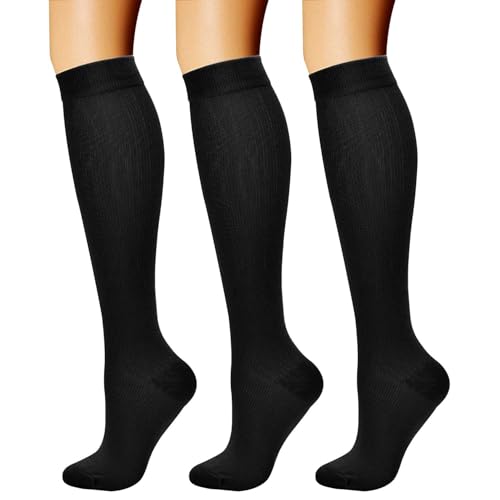
Breathable fabric is the key distinction for warm-weather wear: the maker says this high-performance material helps maintain an optimal temperature. The three-pair set uses 85% nylon, and the maker describes it as lightweight, form-fitting and stretchy. Its 15–20 mmHg pressure suits shoppers looking for moderate compression for activities such as running or cycling. The size is S/M.
Bottom line: Choose this pair if breathable fabric and moderate compression matter most.
IRAMY Ankle Compression Socks

Ankle coverage sets this pair apart from the knee-high options, making it a choice for shoppers who prefer less leg coverage in summer. The three-pair set has cushioned athletic construction, six ankle compression rings and reinforced arch support. The maker describes the fabric as breathable and stretch-enhanced, and positions the socks for standing, travel and running. Choose it for its ankle design and support features, not as a substitute for a prescribed compression garment.
Bottom line: Choose this pair for ankle coverage, cushioning and arch support.
15–20 mmHg Compression Socks, 4 Pairs

The four-pair set gives shoppers more pairs than the three-pair options while keeping pressure in the 15–20 mmHg range. The maker describes graduated compression as firmer at the ankle and lighter toward the calf, and says the socks are intended for standing, sitting, walking, travel or exercise. The size is S/M. Unlike the warm-weather-specific options, the features do not call out breathable or temperature-regulating fabric, so this is a less targeted choice for hot conditions. Choose it when moderate pressure and a four-pair rotation matter more than stated summer fabric features.
Bottom line: Choose this set for moderate pressure and a four-pair rotation.
Copper Compression Socks, 15–20 mmHg, 8 Pairs

Eight pairs make this the largest set in the group, useful for shoppers prioritizing a broad rotation of socks. The product name specifies knee-high coverage and 15–20 mmHg compression, with a L/XL size. The maker positions the socks for work, travel and exercise. Copper-related circulation claims in the product features are not a basis for choosing them; focus instead on their pressure, coverage and size.
Bottom line: Choose this set if an eight-pair rotation and knee-high style suit you.
LEVSOX 20–30 mmHg Knee-High Socks
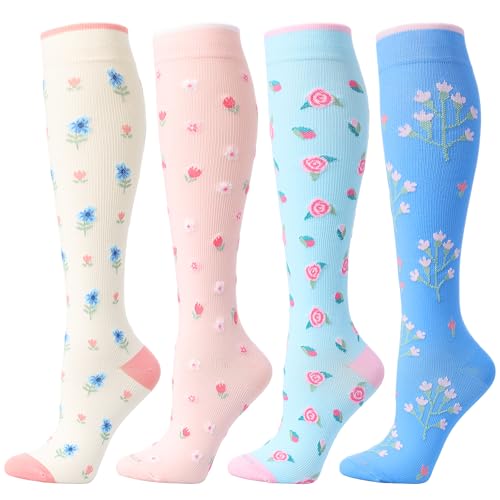
The 20–30 mmHg pressure range distinguishes these from the 15–20 mmHg choices, and the knee-high sleeves are intended to provide support across the calf. The set includes four pairs in the medium size, with double stitching and a seamless compression knit. The maker describes them as easy to put on and suitable for nurses, travel and pregnancy. This higher pressure level and full calf coverage may feel like more than a summer shopper wants; it is not the right option if you specifically need a lighter pressure or ankle-only sock. Use a clinician’s guidance when selecting medical compression.
Bottom line: Choose this pair if you need the firmer 20–30 mmHg range and knee-high coverage.
How to choose summer compression socks
Start with the pressure level and intended coverage, then consider fabric and heat. The 15–20 mmHg options here are a lower-pressure choice than the 20–30 mmHg knee-high pair; compression levels are measured in millimeters of mercury. Graduated compression is typically firmest at the ankle and eases upward, but do not assume every sock has a graduated profile unless its features say so. For hot weather, a breathable fabric claim is a useful differentiator, though it does not guarantee that a sock will feel cool in every climate. If you have been prescribed compression or have a circulation condition, ask a clinician which pressure and style are appropriate rather than selecting by comfort alone.
Choose coverage that suits summer wear
Coverage changes how much of the leg the sock covers: ankle socks stop below the calf, while knee-high socks extend up the calf. Choose ankle coverage if you want less fabric over the lower leg, but remember that it does not provide calf coverage. Knee-high styles suit shoppers who want support across the calf; check that the top edge sits comfortably below the knee rather than bunching. A measurable fit rule is simple: use the brand’s size chart and measure the ankle and calf where required, rather than choosing by shoe size alone. A sock that is too tight, leaves deep marks or causes numbness should be removed, and persistent symptoms warrant medical advice.
Compression levels and coverage compared
Pressure and coverage are separate choices: a higher mmHg rating does not mean a sock covers more of the leg. Use this comparison to narrow the type before checking the size chart and fabric construction.
| Need | Choice | Trade-off |
|---|---|---|
| Less leg coverage | Ankle style | No calf coverage |
| Calf coverage | Knee-high style | More fabric in warm conditions |
| Moderate pressure | 15–20 mmHg | Lower range than 20–30 mmHg |
| Firmer pressure | 20–30 mmHg | May not suit every wearer |
Compression levels are not interchangeable, and the correct choice depends on the reason for wearing the socks. For a medical need, use the pressure range recommended by a clinician.
Wear and care in hot weather
Heat can make feet swell, so check sock fit again after prolonged standing or travel rather than forcing on a pair that feels constricting. Keep the skin dry and inspect it when removing compression socks, especially around the ankle and top band. Follow the garment’s care label; elastic fibers can lose their shape with excessive heat, so avoid high-heat drying unless the label allows it. Rotate pairs between wears so each can dry fully. Remove the socks if you notice pain, numbness, unusual color change or skin irritation, and seek medical guidance for symptoms that continue.
Frequently Asked Questions
What compression level should I choose for summer?
The options here range from 15–20 to 20–30 mmHg, and the higher range is firmer. Choose a pressure level based on your clinician’s recommendation if you have a medical reason for wearing compression.
Are ankle compression socks suitable for travel?
Ankle socks cover the foot and ankle but do not cover the calf. If you want calf coverage during travel, choose a knee-high style and make sure its pressure level is appropriate for you.
How should compression socks fit around the calf?
The sock should feel secure without bunching, pinching or causing numbness. Measure the ankle and calf as required by the brand’s size chart; shoe size alone may not determine a suitable fit.
Can I wear compression socks in hot weather?
Yes, but consider coverage and breathable fabric, and remove socks that cause discomfort or numbness. Heat can contribute to swelling, so reassess fit after long periods on your feet.
How often should I wash compression socks?
Wash them according to the care label, since heat and harsh washing can wear down elastic fibers. Rotating pairs and letting each pair dry fully between wears helps avoid putting on damp socks.