
Best Gloves for Poor Circulation: 4 Options Compared

For most people, Doctor Developed Compression Gloves, Large is the best starting point because its silicone grip dots add traction while its compression design targets the hand and wrist. Choose Incrediwear Fingerless Circulation Gloves, Small instead if you want a circulation-focused fabric, or a fingerless option if exposed fingertips matter more than full coverage.
We earn a commission if you buy through links on this page. As an Amazon Associate I earn from qualifying purchases. Products are compared on manufacturer specifications, not hands-on testing.
- Best overall: Doctor Developed Compression Gloves, Large – Compression gloves with silicone grip dots combine hand support with added palm traction.
- Best for circulation-focused fabric: Incrediwear Fingerless Circulation Gloves, Small – The manufacturer says its semiconductor-embedded fabric is designed to increase blood flow.
- Best for fingerless coverage: IMAK Brownmed Fingerless Compression Gloves, Medium – Fingerless cotton gloves leave fingertips exposed while providing mild compression.
| Product | Best for | Coverage | Material / feature | Size | Shop |
|---|---|---|---|---|---|
| Doctor Developed Compression Gloves, Large | Grip support | — | Silicone grip dots | Large | Check Price on Amazon |
| Incrediwear Fingerless Circulation Gloves, Small | Circulation focus | Fingerless | Semiconductor-embedded fabric | Small | Check Price on Amazon |
| Vive Full Finger Compression Gloves, Medium | Full coverage | Full finger | Cotton-spandex blend | Medium | Check Price on Amazon |
| IMAK Brownmed Fingerless Compression Gloves, Medium | Mild compression | Fingerless | Cotton | Medium | Check Price on Amazon |
Gloves for Poor Circulation
Compare coverage and design features to choose gloves that match your hand tasks and comfort needs.
Doctor Developed Compression Gloves, Large

Doctor Developed Compression Gloves, Large stands out for its silicone grip dots, which add traction across the palm and fingers alongside compression coverage. The maker describes targeted pressure for the joints, knuckles and wrists and positions the gloves for day or night wear. This design may suit someone who wants extra grip for handling household objects while wearing compression gloves. The key tradeoff is the large size: buyers should choose it only if that size fits, since a poor fit can undermine comfort and dexterity.
Bottom line: Choose this pair if added palm and finger grip is a priority.
Incrediwear Fingerless Circulation Gloves, Small

Incrediwear Fingerless Circulation Gloves, Small is the only option here whose name and fabric are specifically centered on circulation. The maker says its semiconductor-embedded fabric is intended to increase blood flow and reduce inflammation and discomfort. Its fingerless construction leaves fingertips exposed, which can help with tasks requiring direct fingertip contact but offers less coverage than full-finger styles. The small size is a key constraint, so this option suits buyers whose hands fit that size and who prefer exposed fingertips over full coverage.
Bottom line: Pick this if a circulation-focused fabric and fingertip access matter most.
Vive Full Finger Compression Gloves, Medium
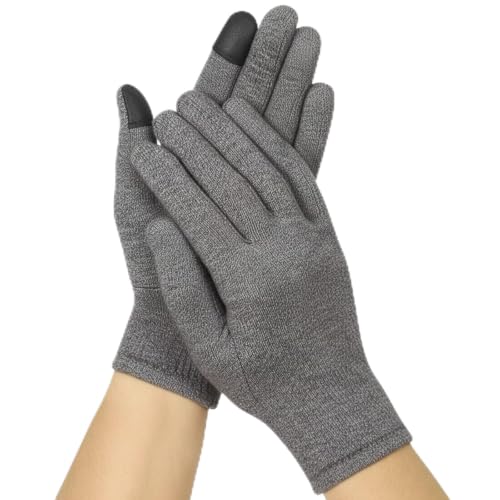
Vive Full Finger Compression Gloves, Medium differs from the fingerless options by covering the full hand, with touchscreen fingertips intended to preserve screen access. Its cotton-spandex blend is described by the maker as breathable and temperature regulating for day-and-night wear. That combination suits buyers who want more coverage and use a touchscreen during the day. Full-finger coverage can be less convenient when a task calls for bare fingertips, and this pair comes in medium, so sizing should be the deciding fit factor.
Bottom line: Choose this for full-hand coverage with touchscreen access.
IMAK Brownmed Fingerless Compression Gloves, Medium

IMAK Brownmed Fingerless Compression Gloves, Medium is the straightforward fingerless cotton option, with mild compression and a pull-on design. The maker says its compression supports circulation and joints and may help with stiffness and swelling. Exposed fingertips preserve direct contact for handling small objects, while the cotton construction is intended for breathable all-day wear. The limitation is the medium size and fingerless coverage: buyers who need full-finger warmth or protection should consider another style, and the fit should be comfortable rather than tight.
Bottom line: Pick this if you want fingerless coverage with mild compression.
How to choose gloves for poor circulation
Coverage and fit are the first decisions when choosing circulation gloves. Fingerless styles leave fingertips available for typing and fine handling, while full-finger styles cover more of the hand; compression gloves are snug by design, not a substitute for medical care. A practical rule is to choose fingerless gloves when you need uncovered fingertips for most tasks, and full-finger gloves when coverage matters more. Compression should feel even and comfortable, not painful or restrictive. Stop wearing a pair that causes increased numbness, tingling, discoloration or pain, and ask a clinician about persistent symptoms or whether compression is appropriate for you.
Fingerless versus full-finger gloves
Fingerless gloves trade fingertip coverage for direct touch and dexterity. Full-finger gloves cover the fingertips and can be more useful when you want coverage across the whole hand, though touchscreen-compatible fingertips are a separate feature and should not be assumed. The table compares the basic tradeoff; intended use and fit still matter.
| Style | Fingertip access | Coverage | Best suited to |
|---|---|---|---|
| Fingerless | Direct | Partial | Typing and precise handling |
| Full finger | Through fabric or touchscreen tips | Full hand | More hand coverage |
Getting the right glove fit
A compression glove should fit close to the skin without pinching or leaving deep marks. Check the maker’s sizing chart and measure the hand where that chart directs, since size labels such as small, medium and large are not universal across brands. Choose a different size if fingertips pull tight, seams press into joints or the glove bunches in the palm. For circulation concerns, tighter is not better: a glove that worsens numbness or changes finger color should come off, and persistent circulation symptoms warrant medical advice.
When to stop wearing compression gloves
Remove compression gloves if they cause pain, new or worsening tingling, numbness, cold fingers or a color change. Those signs can indicate the fit is too restrictive or that compression is unsuitable for the wearer, and symptoms should not be ignored in pursuit of a snug fit. People with significant circulation problems, diabetes-related sensation changes or a diagnosed vascular condition should ask a clinician before relying on compression garments. Gloves can support comfort during tasks, but they do not identify the cause of poor circulation or replace assessment of persistent symptoms.
Frequently Asked Questions
Should circulation gloves cover the fingertips?
Choose fingerless gloves when direct fingertip contact matters for typing or small objects; choose full-finger coverage when covering the whole hand is more important. Touchscreen access depends on a dedicated fingertip feature.
How tight should compression gloves feel?
Compression gloves should feel snug and even, never painful or restrictive. Remove them if you notice worsening numbness, tingling, cold fingers or color changes.
Can I wear compression gloves all night?
Wear them overnight only if the specific pair is intended for night wear and a clinician considers compression appropriate for you. Stop if symptoms worsen, since a glove should not restrict circulation.
Do compression gloves improve blood flow?
Some makers describe their gloves as supporting circulation, but that is not a guarantee of improved blood flow for an individual. Persistent numbness, coldness or color changes need medical assessment rather than a tighter glove.