
Best Heated Eye Mask for Stye: 4 Warm Compresses Compared

Aroma Season Graphene Heated Eye Mask suits most people seeking a heated eye mask for stye care because it combines a flaxseed-filled cotton mask with graphene heating. Choose a different format if you need self-heating warmth without a microwave, or prefer individually packaged masks for travel.
A warm compress is a gentle source of heat applied to a closed eyelid; it can help loosen eyelid oils, but it does not diagnose or cure a stye. Avoid pressing on or squeezing a stye, and get medical advice for vision changes, severe pain, fever, or worsening swelling.
We earn a commission if you buy through links on this page. As an Amazon Associate I earn from qualifying purchases. Products are compared on manufacturer specifications, not hands-on testing.
- Best overall: Aroma Season Graphene Heated Eye Mask – Flaxseed-filled cotton and graphene heating set it apart from the other options.
- Best for adjustable fit: MyHalos Microwavable Heated Eye Mask – An elastic strap is designed to adjust and hold the microwavable mask in place.
- Best for travel: CorneaCare Rest Self-Heating Compress – Thirty self-heating masks need no microwave.
| Product | Best for | Heating method | Reusable format | Count | Shop |
|---|---|---|---|---|---|
| Aroma Season Graphene Heated Eye Mask | Flaxseed-filled warmth | Graphene heating | Reusable mask | 1 | Check Price on Amazon |
| MyHalos Microwavable Heated Eye Mask | Adjustable strap | Microwave heat | Reusable mask | 1 | Check Price on Amazon |
| CorneaCare Rest Self-Heating Compress | Microwave-free travel | Self-heating | Single-use masks | 30 | Check Price on Amazon |
| MyHalos Washable Reversible Eye Compress | Washable reuse | Microwave heat | Washable, reversible | 1 | Check Price on Amazon |
Heated Eye Masks for Stye Care
Compare how each option warms the eyelid and whether it is a reusable compress or a self-heating mask.
Aroma Season Graphene Heated Eye Mask
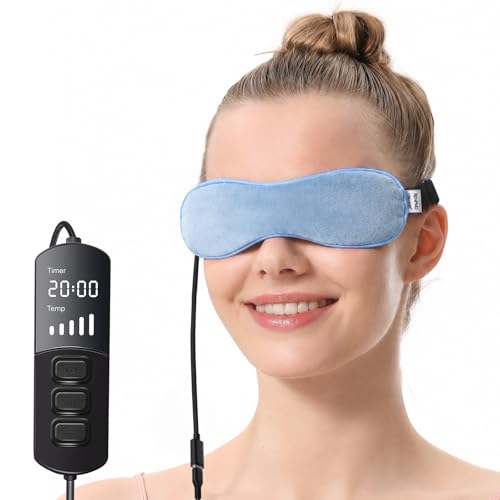
This mask stands out for its flaxseed filling and graphene heating element, rather than a self-heating disposable format. Cotton forms the mask, and the maker says the flaxseed helps retain moisture for a warm compress. It is a fit for someone who wants a single reusable-style mask and is comfortable with its particular heating design. The maker does not say how to heat it or give a temperature range, so confirm the heating method before use; too much heat can irritate delicate eyelid skin.
Bottom line: Choose this if you want a flaxseed-filled mask with graphene heating.
MyHalos Microwavable Heated Eye Mask

An adjustable elastic strap distinguishes this microwavable mask from the other reusable compresses. MyHalos describes it as releasing moist heat and positioning the compress on the face; the single-mask pack suits someone who wants a held-in-place format rather than a disposable eye mask. Do not sleep with a hot compress on the eye.
Bottom line: Pick this if an adjustable strap matters for keeping a compress in place.
CorneaCare Rest Self-Heating Compress
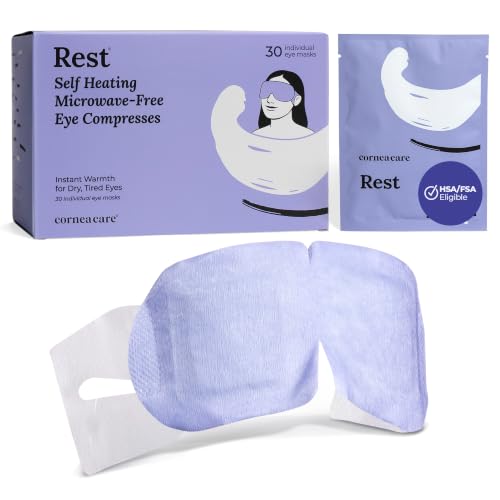
Self-activation without a microwave is the defining difference of CorneaCare Rest, making this 30-mask pack the most travel-oriented option here. The maker says purified water, activated charcoal, hydrated minerals, and inorganic salts produce consistent warmth. Individual masks can suit trips or settings where reheating a reusable compress is inconvenient.
Bottom line: Choose this for individually counted masks that warm without a microwave.
MyHalos Washable Reversible Eye Compress

A washable outer layer and reversible design distinguish this MyHalos compress from its adjustable-strap counterpart. The maker describes it as a microwavable moist-heat compress intended for both eyes, making it suitable for someone prioritizing washable reuse. It comes as one compress. A compress should feel comfortably warm, never hot; stop if the eyelid becomes more irritated.
Bottom line: Pick this if washable reuse and a reversible design are priorities.
How to choose a warm compress for a stye
For a typical stye, a comfortably warm, clean compress is more important than a particular heating technology. Ophthalmology guidance commonly recommends applying a warm compress to a closed eyelid for 10 to 15 minutes, several times daily; warmth can soften blocked oil near the eyelid margin. It should be warm, not hot, because eyelid skin is thin and burns easily. Reusable masks are suited to home routines, while self-heating masks remove the need for a microwave. Choose a microwave-free option if you cannot safely reheat a compress, and choose reusable only if you can keep its contact surface clean between uses. Never squeeze or lance a stye.
Warmth, timing, and eyelid safety
A compress should stay comfortably warm for a 10- to 15-minute session, and it may need reheating if it cools before then. Test a warmed mask against the inside of your wrist first; do not apply a hot mask directly to the eyelid or use it over an open eye. Avoid pressure, rubbing, or sleeping with a heated mask in place. Wash hands before and after touching the eyelid, and do not share a reusable eye compress. Seek prompt medical care for vision changes, severe pain, fever, spreading redness, or swelling that worsens; a stye that does not improve after several days also merits professional advice.
Reusable and self-heating eye masks compared
Reusable and single-use masks solve different practical problems: reheating and cleaning versus convenience away from a microwave. Use this format comparison to narrow the choice based on where you plan to apply warmth.
| Format | Typical use case | Key trade-off |
|---|---|---|
| Microwavable reusable | Regular home compress sessions | Must reheat and keep clean |
| Self-heating single-use | Travel or no microwave nearby | One mask per use |
| Flaxseed-filled mask | Reusable-style warm compress | Heating method depends on model |
For sessions lasting the recommended 10 to 15 minutes, select a format whose instructions support that use and whose warmth remains comfortable. A mask described as moist heat may feel different from dry warmth, but comfort and safe temperature matter more than the label.
When a stye needs medical attention
Most small styes improve with warm compresses and time, but home care is not a substitute for an eye exam when symptoms are severe or changing. Contact an eye-care professional if pain or swelling is substantial, if vision is affected, or if redness spreads beyond the eyelid. Avoid contact lenses and eye makeup while the eyelid is inflamed, since they can irritate the area or contaminate products. Do not use leftover antibiotic drops or ointments unless a clinician directs you to; many styes do not require prescription treatment. A recurrent lump or one that persists may be a different eyelid condition and should be assessed rather than repeatedly heated without a diagnosis.
Frequently Asked Questions
How long should I warm a stye each time?
A typical warm-compress session lasts 10 to 15 minutes on a closed eyelid. Rewarm a compress if it cools before the session ends, while keeping it comfortably warm rather than hot.
How often should I use a warm compress for a stye?
Warm compresses are commonly used several times a day for a stye. Wash hands before touching the eyelid, and avoid squeezing the lump even if it appears ready to drain.
Can a heated eye mask burn my eyelid?
Yes, an excessively hot mask can burn thin eyelid skin. Test its warmth on your wrist before use and remove it immediately if it feels hot or uncomfortable.
Should I squeeze a stye after using heat?
No, do not squeeze or puncture a stye after applying heat. Pressure can worsen irritation or spread infection; seek care if pain, swelling, or redness is worsening.
When should I see a doctor for a stye?
Seek prompt medical attention for vision changes, severe pain, fever, spreading redness, or worsening swelling. Arrange an eye-care visit if the stye persists or repeatedly returns.