
Best Korean Makeup Primer: 5 Bases Compared by Finish

TOUCH IN SOL No Poreblem Primer suits most people seeking a Korean makeup primer because its pore-blurring, mattifying formula is aimed at oily skin and larger-looking pores. Choose a different base if you want a dewy glow, a silicone-free grip layer, or a primer-moisturizer hybrid instead.
A makeup primer is a prep layer worn under foundation or BB cream; the right finish and texture matter more than choosing a product simply because it is Korean.
We earn a commission if you buy through links on this page. As an Amazon Associate I earn from qualifying purchases. Products are compared on manufacturer specifications, not hands-on testing.
- Best overall: TOUCH IN SOL No Poreblem Primer – Its pore-blurring, mattifying formula is specifically aimed at oily skin.
- Best for dewy glow: MISSHA M BB Boomer – Pink pearl and diamond powders give the base a pearlescent glow.
- Best for foundation grip: YUNJAC Makeup Glue Primer – Its silicone-free formula is designed as an adhesion layer under makeup.
| Product | Best for | Finish | Size | Formula distinction | Shop |
|---|---|---|---|---|---|
| TOUCH IN SOL No Poreblem Primer | Oily skin | Mattifying, blurring | 1.01 fl oz | Pore-minimizing | Check Price on Amazon |
| MISSHA M BB Boomer | Dewy makeup | Dewy, pearlescent | 1.35 fl oz | Pearl and diamond powders | Check Price on Amazon |
| YUNJAC Makeup Glue Primer | Makeup adhesion | Natural glow | 0.84 fl oz | Silicone-free | Check Price on Amazon |
| Elizabeth Mott Thank Me Later | Soft-matte pores | Soft matte | 30 g | Pore-minimizing | Check Price on Amazon |
| MISSHA Glow Skin Balm | All-in-one prep | Dewy, luminous | 0.68 fl oz | 4-in-1 balm | Check Price on Amazon |
Korean Makeup Primers Compared
Choose among pore-blurring, radiant, gripping, and multitasking bases by matching the finish and prep role to your makeup routine.
TOUCH IN SOL No Poreblem Primer

TOUCH IN SOL No Poreblem Primer stands apart for a pore-blurring, mattifying finish aimed at oily skin and larger-looking pores. The 1.01-fl-oz primer is described as lightweight and hydrating, with collagen in its formula; the brand says it helps control sebum and moisture loss. That combination suits someone who wants a smoother-looking base without a dewy finish. Its focus is shine control and blurring, so it is a less natural match for anyone seeking a luminous, pearlescent look or a silicone-free adhesion primer.
Bottom line: Pick this if your priority is a mattifying base that blurs the look of pores.
MISSHA M BB Boomer
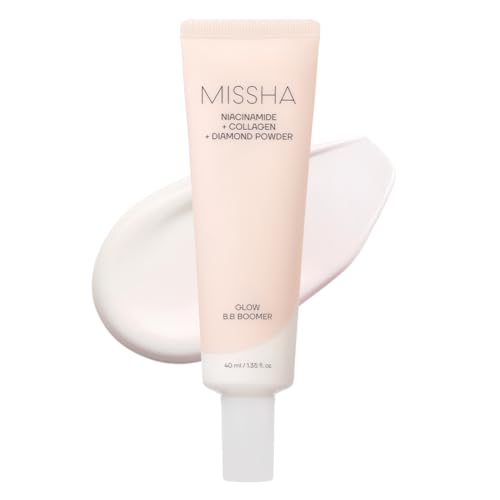
MISSHA M BB Boomer differs from matte pore primers with a creamy, luminous base made for a dewy look under foundation or BB cream. Pink pearl and diamond powders contribute a soft pearlescent glow, while fermented Rosa Damascena flower water and squalane are included in the formula. At 1.35 fl oz, it is the largest size among these primers. The brand says the texture helps makeup grip and supports longer wear; the glow-forward finish may not suit someone trying to reduce visible shine.
Bottom line: Choose this for a pearlescent, hydrated-looking base under foundation or BB cream.
YUNJAC Makeup Glue Primer

YUNJAC Makeup Glue Primer is the silicone-free option, built around a fermented botanical adhesion layer rather than a pore-blurring or pearlescent effect. Its fine moisture pearls and hydrating prep are intended to leave a natural glow, including under matte or full-coverage foundation. The brand reports a 43.6% improvement in foundation adhesion; treat that as a maker claim, not a guarantee for every routine. The 0.84-fl-oz tube is smaller than the other full-size options here, so buyers focused on a large-volume glow balm may prefer another format.
Bottom line: Pick this if a silicone-free grip layer and natural glow are your priorities.
Elizabeth Mott Thank Me Later

Elizabeth Mott Thank Me Later pairs a soft-matte finish with pore-smoothing, making it a distinct choice for someone who wants a velvety canvas rather than visible glow. The formula is described as lightweight and suitable beneath powder, liquid, or cream foundation; it is also dermatologist and allergy tested, cruelty-free, and Leaping Bunny certified. Its 30-gram size is given by weight, unlike the fluid-ounce sizes of the other primers. The focus is smoothing and shine reduction, so it is not the best fit for someone who wants a luminous primer as the main effect.
Bottom line: Choose this for a soft-matte look beneath different foundation textures.
MISSHA Glow Skin Balm

MISSHA Glow Skin Balm is the only balm here positioned as four products in one: primer, moisturizer, morning mask, and luminizing cream. Its rich but fast-absorbing texture is intended to leave a fresh, dewy finish, and it can be used before foundation or as the last skincare step. At 0.68 fl oz, it is the smallest size among these options. A balm that also serves skincare roles can simplify a morning routine, but buyers who want a dedicated matte pore primer should choose a different finish.
Bottom line: Pick this when you want a luminous balm that combines several prep steps.
How to Choose a Korean Makeup Primer
Start with finish: matte primers are meant to reduce visible shine, while dewy bases add a luminous look. A pore-blurring formula can soften the appearance of texture, but it does not physically change pore size. For foundation that tends to slip, an adhesion-focused base may be a better match than a glow balm. Primer is an optional layer, not a requirement; a thin, even application is generally easier to layer than a thick coat. If you use multiple skincare steps, let each layer settle before primer to reduce pilling. Choose the finish that complements your foundation rather than stacking competing effects, such as a strongly matte base under a very dewy foundation.
Primer Finish and Formula Differences
Finish and prep role are the clearest ways to separate these bases. Mattifying formulas target visible shine, luminous primers add a glow, and grip-focused primers aim to help foundation adhere. A moisturizer-primer hybrid adds another role, but it does not remove the need to choose based on how makeup sits on your skin. Use this guide to narrow the type before comparing ingredient or finish preferences.
| Need | Primer type | Tradeoff |
|---|---|---|
| Less visible shine | Mattifying | Less luminous appearance |
| Radiant base | Pearlescent or glow balm | May emphasize shine |
| Foundation grip | Adhesion-focused | Finish may be less dramatic |
| Smoother-looking pores | Blurring | Does not alter pore size |
For an oily-looking T-zone, choose a matte or blurring formula if shine control is the main goal. For a dry-looking finish, a glow base can better match the desired appearance, though hydration claims do not replace skincare suited to your needs.
How Much Primer to Apply
Use a thin layer rather than coating the whole face heavily; a pea-sized amount is a common starting point for a full face, adjusted for coverage area. Press or smooth primer over the areas where makeup needs help, such as visible pores or a shiny T-zone. Too much product can make foundation slide or pill, especially when several skincare layers are underneath. Allow the layer to settle before applying foundation, and test compatibility on a small area when combining unfamiliar formulas. For eye makeup or sensitive skin, avoid applying face primer close to the lash line unless the package specifically allows that use.
Primer Layering and Wear
Primer works best when the layers beneath it have settled and the foundation is compatible with its texture. Silicone-free is a useful formula distinction, but does not by itself guarantee that every foundation will layer smoothly. Start with one primer rather than mixing matte and glow formulas; you can place a blurring product only where needed if your finish varies by area. Remove makeup fully at the end of the day with a cleanser suited to your makeup and skin routine. Stop using a cosmetic if it causes irritation, and patch test new products when sensitivity is a concern.
Frequently Asked Questions
Does primer actually make pores smaller?
No, a cosmetic primer can blur the appearance of pores but does not permanently change their size. Apply a thin layer over the area where texture is most visible.
How long should primer sit before foundation?
Give primer about 30 to 60 seconds to settle before foundation as a practical starting point. If the base still feels wet or pills, use less product or allow more time between layers.
Can I wear primer without foundation?
Yes, primer can be worn alone when you want a smoother-looking or more luminous finish without foundation. A glow formula will look more noticeable than a soft-matte one.
Should primer go before or after sunscreen?
Apply sunscreen after skincare and before makeup primer. Allow sunscreen to form an even layer and settle before adding primer; rubbing too much during layering can disturb coverage.
Can I use matte primer only on my T-zone?
Yes, targeted application can help when the forehead, nose, or chin looks shinier than the rest of the face. Keep a glow or hydrating base on other areas if that better matches the finish you want.