
Best Running Ear Warmers: 3 Options Compared

adidas Alphaskin Fleece Headband suits most runners because its fleece-lined, lightweight build combines ear coverage with reflective design accents. Choose JOEYOUNG Fleece Ear Warmer or ZYXBBD Fleece Ear Warmers, 2-Pack if you prefer a fleece-and-polyester or fleece-lined style, respectively; verify fit and coverage before relying on a headband for a particular route or helmet.
Running ear warmers are bands or covers that insulate the ears while leaving more of the head uncovered than a winter hat.
We earn a commission if you buy through links on this page. As an Amazon Associate I earn from qualifying purchases. Products are compared on manufacturer specifications, not hands-on testing.
- Best overall: adidas Alphaskin Fleece Headband – Its fleece-lined, lightweight poly-spandex build is paired with ear coverage and reflective design accents.
- Best for soft fleece: JOEYOUNG Fleece Ear Warmer – The fleece-and-polyester ear warmer is designed to stay in place during exercise.
- Best for two-pack value: ZYXBBD Fleece Ear Warmers, 2-Pack – The pack includes two fleece-lined warmers and is described for use under a helmet.
| Product | Best for | Material | Pack | Shop |
|---|---|---|---|---|
| adidas Alphaskin Fleece Headband | Lightweight workouts | Poly-spandex, fleece-lined | 1 | Check Price on Amazon |
| JOEYOUNG Fleece Ear Warmer | Fleece-and-polyester | Fleece, polyester | 1 | Check Price on Amazon |
| ZYXBBD Fleece Ear Warmers, 2-Pack | Helmet wear | Fleece lining | 2 | Check Price on Amazon |
Running Ear Warmers Compared
Compare the fabric, sizing, and pack contents to find a style that suits your cold-weather routine.
adidas Alphaskin Fleece Headband
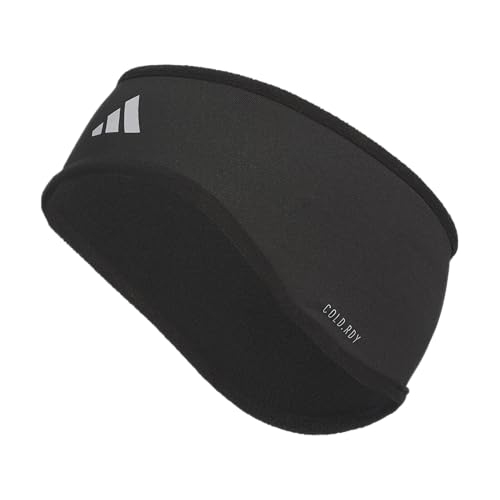
Unlike the fleece-and-polyester styles, adidas Alphaskin Fleece Headband pairs a lightweight poly-spandex build with a fleece-lined interior. The headband measures 9.65 inches long and 4.8 inches wide, and its reflective accents are decorative; the maker says they are not intended for use as safety reflectors. This option suits runners who want a low-bulk band for cold-weather sessions. Its one-size fit may not suit every head shape, so check that the band covers your ears without shifting before heading out.
Bottom line: Choose this if you want a lightweight, fleece-lined band and can confirm its fit.
JOEYOUNG Fleece Ear Warmer
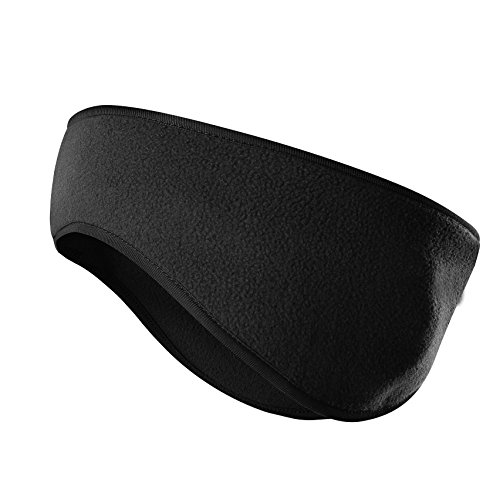
JOEYOUNG Fleece Ear Warmer is the only option here whose materials are identified as both fleece and polyester, and the maker says its design is intended to stay in place during exercise. The black ear warmer comes as a single unit, making it a straightforward pick for runners who want ear coverage without choosing a two-pack. Its sizing does not identify a fit range, so confirm that the band sits securely over your ears; a loose fit can shift as your pace changes.
Bottom line: Pick this if fleece and polyester are the materials you want.
ZYXBBD Fleece Ear Warmers, 2-Pack

ZYXBBD Fleece Ear Warmers, 2-Pack stands apart with two ear warmers in the pack, both in a black-and-red color combination. Its fleece lining is intended for warmth, and the maker says the band can be worn under a bicycle or motorcycle helmet. That makes it worth considering if you want a spare or plan to share.
Bottom line: Choose this if you want two fleece-lined warmers or need a helmet-compatible style.
How to Choose Running Ear Warmers
Choose running ear warmers by coverage, fit, and how much heat your workout generates. A band that covers both ears while leaving the crown open can feel less enclosing than a winter hat, but it also leaves more skin exposed. For a brisk run, start with a close-fitting, moisture-managing layer and add ear coverage when wind or cold makes exposed ears uncomfortable. If you sweat heavily, avoid piling on insulating layers you cannot remove easily. Check the band before setting out: it should cover the ears without obstructing your peripheral vision or shifting when you turn your head. For temperatures near freezing or colder, consider covering more of your head and face as conditions warrant.
Fit and Helmet Compatibility
A comfortable ear warmer covers the ears without sliding, pinching, or interfering with other gear. Try it with your usual sunglasses, headphones, or helmet; seams and bands can press differently once several items are worn together. A helmet-compatible design is useful only if the helmet still fits correctly and its straps remain properly positioned. Do not add bulky layers under a helmet if they change how the helmet sits. Head circumference and hair volume affect fit, so a one-size label is not a guarantee of a secure fit for every runner. If you plan to wear the band under a helmet, test the full setup at home before using it on a ride or run.
Headbands Compared With Hats
Headbands cover the ears but leave the top of the head more exposed; hats cover a larger area and usually retain more heat. The right choice depends on temperature, wind, pace, and personal comfort, so use this guide as a starting point rather than a fixed temperature chart.
| Need | Starting choice | Tradeoff |
|---|---|---|
| Ear coverage with less head coverage | Ear warmer | More crown exposure |
| Broader head coverage | Winter hat | Can feel warmer during hard efforts |
| Wind protection over ears | Close-fitting ear warmer | Fit and coverage matter |
Wind and effort can change comfort quickly: a steady, slow run often feels colder than a hard workout at the same air temperature. Adjust layers before you start rather than waiting until you are chilled.
Visibility and Cold-Weather Safety
Reflective details on clothing or accessories do not replace a light when running in low-light conditions. Use a visible light and clothing with reflective material suited to your route, and assume decorative accents may not meet any visibility standard. Cold-weather runners should also watch for numb or painful skin, especially on exposed ears; go indoors and warm up if sensation or comfort worsens. Wet fabric and wind can make a run feel colder, so keep a dry layer available for the trip home. For icy routes, slow down and choose grippy footwear rather than relying on ear coverage to make conditions safer.
Frequently Asked Questions
Can I wear ear warmers under a running helmet?
Many thin bands can fit under some helmets, but the fit must remain secure. Check that the helmet sits level and its straps stay correctly positioned with the band in place.
Do reflective ear warmer accents improve night visibility?
Reflective accents can catch light, but decorative details should not be treated as a safety reflector. Use a running light and other visibility gear for low-light routes.
Should I wear a hat or ear warmer for a winter run?
An ear warmer leaves more of the crown uncovered, while a hat covers more of the head. Choose based on wind, temperature, and effort, and add coverage if exposed skin becomes uncomfortable.
How tight should running ear warmers fit?
They should stay over your ears without pinching or shifting as you move. Try the band with your usual headphones or sunglasses, since other gear can alter the fit.
Can ear warmers prevent cold-related ear injury?
Ear coverage reduces direct exposure but cannot guarantee protection in severe cold or wind. Leave the route and warm up if your ears become numb or painful.