
Best Swim Caps That Keep Hair Dry Compared by Fit

For most swimmers, Aegend Long Hair Silicone Swim Cap is the closest match because its roomy asymmetrical shape is designed to hold long, thick or braided hair while reducing water exposure. Swim caps are not watertight seals, so choose a different fit if you prioritize a simple, flexible cap over extra room, and expect some water to reach your hair.
We earn a commission if you buy through links on this page. As an Amazon Associate I earn from qualifying purchases. Products are compared on manufacturer specifications, not hands-on testing.
- Best overall: Aegend Long Hair Silicone Swim Cap – Its asymmetrical shape creates extra room for long, thick or braided hair and is described as reducing water exposure.
- Best for very voluminous hair: YOGINGO XL Swim Cap – Its XL size is intended for dreadlocks, weaves, extensions, braids, curls and afros.
| Product | Best for | Hair fit | Size | Shop |
|---|---|---|---|---|
| Aegend Long Hair Silicone Swim Cap | Roomy hair fit | Long, thick, braided hair | One size | Check Price on Amazon |
| YOGINGO XL Swim Cap | Very voluminous hair | Long hair, locs, braids, curls | XL | Check Price on Amazon |
| TYR Long Hair Silicone Swim Cap | Streamlined long hair | Long or thick hair | One size | Check Price on Amazon |
Swim Caps That Keep Hair Dry
Compare the fit and materials first, then set realistic expectations about how much water a cap can block.
Aegend Long Hair Silicone Swim Cap
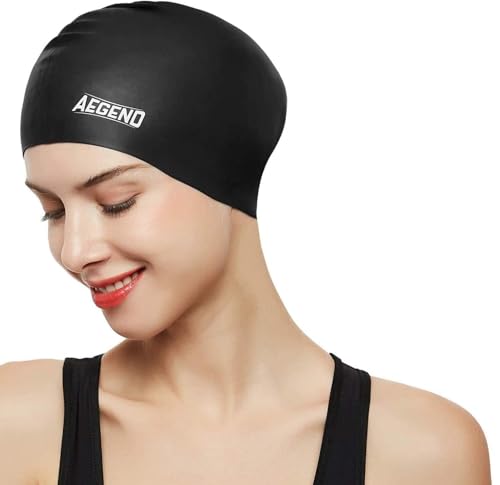
For extra room around long or bulky styles, this cap uses an asymmetrical shape intended for ponytails, buns and high-volume hair. The maker says the fit helps contain hair and reduce water exposure during laps, training, snorkeling or recreational swimming. Silicone forms a flexible barrier, but a swim cap is not a watertight seal, so swimmers who need completely dry hair should not rely on a cap alone. The one-size fit may also feel different across head shapes and hair volumes, making comfort the key tradeoff.
Bottom line: Choose this if extra space for a long or bulky hairstyle matters more than a close, low-profile fit.
YOGINGO XL Swim Cap

The XL size sets this cap apart for hair that needs more room, including dreadlocks, weaves, extensions, braids, curls and afros. Its maker specifically says the cap is meant to keep hair away from the face rather than keep it dry, so it is a better choice for containment and comfort than for a dry-hair promise. The extra space can be helpful when a standard cap compresses a style, but it may not create a streamlined fit for swimmers prioritizing speed. Treat chlorine protection as a barrier, not a guarantee against exposure.
Bottom line: Pick this for voluminous or styled hair when containment matters more than staying completely dry.
TYR Long Hair Silicone Swim Cap
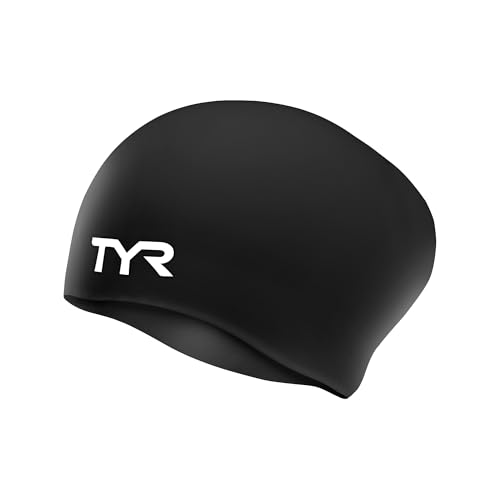
For swimmers seeking a closer shape around long hair, this cap combines a contour cut with a wrinkle-free profile rather than an explicitly oversized XL fit. The maker says its smooth silicone design reduces drag and that the tear-resistant material is intended for frequent training. Its non-latex construction may suit swimmers avoiding latex. The tradeoff is that a one-size contour fit may provide less room than an extra-large or asymmetrical cap for very bulky locs, buns or extensions; this design is most relevant when streamlined shape matters alongside hair coverage.
Bottom line: Choose this when you want a smoother training profile for long or thick hair.
How swim caps keep hair dry
Swim caps reduce water exposure and keep hair contained, but ordinary swim caps do not make a watertight seal. Water can enter around the hairline, ears and nape, especially during dives, turns or vigorous swimming. Silicone caps stretch over the head and can sit more closely than loose fabric caps, but the edge still matters more than the material alone. If completely dry hair is essential, do not treat any standard cap as waterproof; choose based on containment and comfort, and keep hair out of the pool water as much as possible.
Choose a cap by hair volume and fit
Hair volume should decide between standard and expanded-fit caps: long braids, locs, extensions or a bun need more interior space than short hair. A tight cap can pull at the hairline, while excess space can wrinkle or shift during swimming. With bulky hair extending past the shoulders, favor a cap explicitly shaped for long hair; if hair is short or low-volume, a flexible one-size cap can be simpler. Arrange hair low and flat before fitting the cap, and avoid forcing sharp pins or clips beneath silicone because they can snag hair or damage the cap.
Use this fit guide to narrow the style:
| Hair or swimming need | Cap type to prioritize |
|---|---|
| Locs, extensions or high-volume curls | XL or asymmetrical roomy cap |
| Long hair with training focus | Contour-cut, smooth silicone cap |
| Shorter, low-volume hair | Stretchy one-size silicone cap |
Silicone cap fit and care
Silicone is elastic and chlorine-resistant, but it still needs gentle handling to avoid tears. Stretch the opening with both hands and ease it over the head rather than pulling from one edge; long fingernails and jewelry can nick the material. After swimming, rinse the cap in clean water and let it air-dry fully before storage to limit chlorine residue and sticking. A cap that develops a tear or no longer holds its shape is more likely to slip and admit water. Never size down to improve sealing if the result pulls uncomfortably at the scalp.
Frequently Asked Questions
Can a swim cap keep hair completely dry?
No ordinary swim cap guarantees completely dry hair because water can enter around the edges. Silicone can reduce exposure, but a tight fit and careful placement only improve coverage, not create a watertight seal.
Are silicone swim caps better for long hair?
Roomy silicone caps can better accommodate long or bulky hairstyles than a close standard fit. Choose an XL or shaped long-hair design for braids, locs or a bun, and avoid forcing all the hair beneath a cap that feels tight.
How should long hair be arranged under a swim cap?
Gather long hair low at the nape or into a flat bun before putting on the cap. Keeping the bulk distributed rather than piled at the crown can reduce shifting and make the edge easier to position.
Do swim caps protect hair from pool chlorine?
A swim cap can reduce how much pool water contacts hair, but it does not block all exposure. Rinse hair with clean water after swimming, particularly after a long session or frequent pool use.
How do you prevent a silicone swim cap from tearing?
Use both hands to stretch the opening and ease it over the head, keeping fingernails and jewelry away from the silicone. Rinse it after swimming and air-dry it fully before storage.