
Best Tools to Remove Popcorn Ceiling: 5 Options Compared

The 14-inch scraper kit with a 1-gallon sprayer suits most popcorn ceiling removal because it pairs scraping with misting to soften texture. Choose the vacuum attachment if reducing falling debris matters more, but not for painted-over ceilings; use the sander for surface sanding rather than scraping.
We earn a commission if you buy through links on this page. As an Amazon Associate I earn from qualifying purchases. Products are compared on manufacturer specifications, not hands-on testing.
- Best overall: Popcorn Ceiling Scraper Kit, 14-Inch – Combines a 14-inch scraper with a 1-gallon pump sprayer for wet scraping.
- Best for less debris: POP EEZE Vacuum Scraper Attachment – Connects to a shop vacuum to collect texture during removal, but is not recommended for painted ceilings.
- Best for sanding: Extendable Drywall Sander, 8-Amp – Offers variable-speed sanding and a built-in vacuum system for surface work.
| Product | Best for | Removal method | Working reach | Included accessory | Shop |
|---|---|---|---|---|---|
| Popcorn Ceiling Scraper Kit, 14-Inch | Wet scraping | Scraper and misting | 14-inch scraper | 1-gallon sprayer | Check Price on Amazon |
| POP EEZE Vacuum Scraper Attachment | Debris control | Vacuum-assisted scraping | Pole-mounted | Shop-vac connection | Check Price on Amazon |
| Extendable Drywall Sander, 8-Amp | Sanding surfaces | Powered sanding | 3.9–5.5 feet | 12 sanding discs | Check Price on Amazon |
| 4-Inch Long-Handle Floor Scraper | Small scrape jobs | Manual razor scraping | 45.7-inch handle | 10 extra blades | Check Price on Amazon |
| CHILI TOOLS 7-Inch Bent Chisel Scraper | Overhead scraping | Manual chisel scraping | Pole compatible | 7-inch blade | Check Price on Amazon |
Popcorn Ceiling Removal Tools
Match the tool to whether your ceiling needs wet scraping, vacuum-assisted removal, sanding, or spot scraping.
Popcorn Ceiling Scraper Kit, 14-Inch

The 14-inch scraper kit is the most direct match for removing popcorn texture because it combines a scraper and pump sprayer. Its adjustable nozzle delivers a fine mist, and the stainless-steel scraper is intended for overhead texture work. The kit suits DIYers who want to soften texture before scraping rather than sand it away. The sprayer’s gallon capacity is a practical limit: larger ceilings may require refilling, and the maker does not establish how much area one fill covers.
Bottom line: Choose this kit for wet scraping when a scraper and sprayer together fit your approach.
POP EEZE Vacuum Scraper Attachment

The POP EEZE attachment is designed to connect to a shop-vac hose and a pole, making vacuum-assisted removal its distinction. It suits someone prioritizing debris collection while scraping overhead and seeking less cleanup on the floor. The maker cautions against using it on popcorn ceilings that have been painted over, so first determine whether the texture is painted; this is the key suitability limit. The attachment’s function depends on having a compatible shop vacuum and pole available.
Bottom line: Pick it when you have a shop vacuum and the ceiling texture has not been painted.
Extendable Drywall Sander, 8-Amp
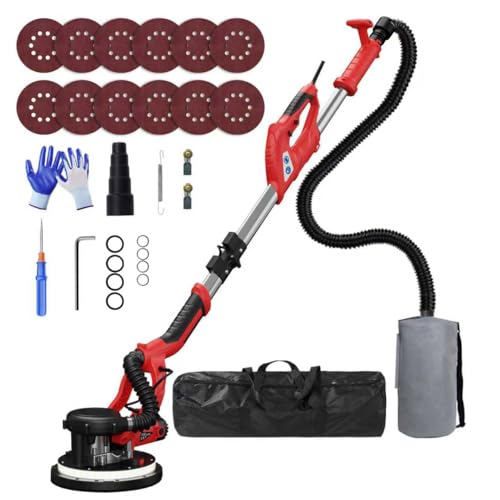
The extendable drywall sander removes material by powered sanding rather than the wet scraping approach of a dedicated ceiling scraper. Its rod adjusts from 3.9 to 5.5 feet, and the sander has seven speed settings from 800 to 1,800 rpm, a dust-collection system, and an LED light. It is better suited to sanding texture or smoothing a surface than to a removal plan centered on scraping softened popcorn. Sanding can create fine dust, so use suitable respiratory and eye protection and control dust in the work area.
Bottom line: Choose this for powered sanding and surface smoothing, not wet scraping.
4-Inch Long-Handle Floor Scraper

The 4-inch floor scraper is a general-purpose razor scraper rather than a ceiling-specific kit, with a long handle and 10 extra metal blades. Its 45.7-inch handle length can help reach overhead areas, while the narrow blade is suited to smaller sections and edge work. It may fit a limited scrape job, but the maker does not establish that its blade or handle is designed for sustained overhead ceiling removal. Its broader use across floors and other surfaces makes it less specialized for this task.
Bottom line: Use it for small areas or edge scraping where a narrow blade is useful.
CHILI TOOLS 7-Inch Bent Chisel Scraper
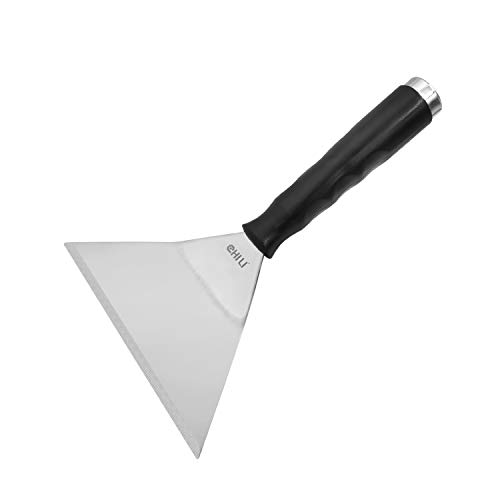
The 7-inch bent chisel scraper is built for overhead scraping and can fit CHILI extension poles, making it distinct from a floor scraper or powered sander. Its 420J2 stainless-steel blade is 1.8 millimeters thick and is also intended for paint, glue, putty, and wallpaper removal. That broad chisel design may suit localized ceiling work, but it does not include a sprayer or debris collection system. Buyers seeking controlled wet removal or less falling debris should consider a tool designed around those needs.
Bottom line: Choose it for pole-mounted, localized scraping with a rigid chisel blade.
How to choose a popcorn ceiling removal tool
Choose the removal method before choosing the tool: softened texture is generally scraped, while sanding abrades the surface and produces fine dust. A scraper-and-sprayer kit supports wet scraping; a vacuum attachment adds debris collection but has a painted-texture limitation. A drywall sander serves sanding and smoothing, not the same job as wet scraping. For a ceiling with under 6 feet of working reach, a pole-compatible tool can reduce the need to work directly overhead, though pole length alone does not determine safe access. If the texture may contain asbestos, do not scrape or sand until it has been assessed; disturbing asbestos-containing material can release hazardous fibers. Use the tool only after the ceiling’s condition and safe removal method are established.
Check ceiling texture before scraping
Painted popcorn texture changes tool compatibility: the POP EEZE maker specifically says its vacuum attachment is not recommended for painted ceilings. Before choosing a removal tool, identify whether paint covers the texture and whether the ceiling is damaged or water-stained; those conditions can change the preparation needed. Wet scraping depends on texture softening, so test a small inconspicuous area with the planned method before committing to a room. Do not assume a powered sander is a dust-free substitute: sanding can generate fine airborne material. For older or uncertain ceiling material, asbestos testing before disturbance is a critical safety step, not an optional tool feature. Stop if the texture will not release as expected rather than forcing a blade into the ceiling.
Scraping, vacuuming, and sanding compared
Wet scraping, vacuum-assisted scraping, and sanding remove or manage texture in different ways, so choose based on surface condition and cleanup needs. A sprayer-and-scraper approach adds moisture before manual removal; a shop-vac attachment aims to collect debris as scraping happens, with the restriction against painted texture. A drywall sander abrades the surface and has dust collection, but that does not make sanding equivalent to collecting all dust. Use eye protection and a properly fitted respirator when work can create dust or debris, and protect floors and furnishings. A tool that reaches overhead still requires a stable work platform; do not overreach from a ladder while applying force.
| Method | Best match | Key constraint |
|---|---|---|
| Wet scraping | Texture that can be softened | Sprayer requires refilling |
| Vacuum-assisted scraping | Reducing falling debris | Not recommended for painted texture |
| Powered sanding | Sanding or smoothing | Creates fine dust |
Prepare safely for ceiling removal
Clear the room and protect floors before scraping because loosened texture and water can fall from overhead. Cover light fixtures and electrical openings only after power is safely isolated; water and energized wiring are a dangerous combination. Wear eye protection and a suitable respirator for dust exposure, and avoid dry sanding material that has not been assessed when asbestos is possible. Work from a stable platform and keep the scraper within comfortable reach instead of leaning sideways. Bag debris as it is collected and keep children and pets away from the work zone. If the ceiling contains suspected asbestos, stop and use a qualified asbestos professional rather than disturbing it with any scraper or sander.
Frequently Asked Questions
Should I wet popcorn ceiling before scraping?
Many popcorn removal approaches soften texture with a fine mist before scraping, which is the purpose of a sprayer in a removal kit. Test a small area first, since paint can prevent moisture from reaching the texture and wetting an unknown ceiling can create other risks.
Can I use a vacuum attachment on painted popcorn?
The POP EEZE maker does not recommend its attachment for painted popcorn ceilings. Check the ceiling surface before choosing that tool, since paint changes whether the texture can be removed as intended.
Is sanding popcorn ceiling a dusty job?
Yes, sanding can create fine airborne dust even when a sander has a dust-collection system. Use eye protection and a properly fitted respirator, and do not sand uncertain older texture until asbestos risk has been assessed.
How can I tell if ceiling texture contains asbestos?
Appearance alone cannot reliably confirm asbestos in ceiling texture. Have a sample assessed by a qualified professional before scraping or sanding if the material’s composition is uncertain.
What safety gear should I wear when scraping?
Wear eye protection and a properly fitted respirator because overhead scraping can drop debris and create dust. Isolate power around ceiling fixtures before introducing moisture, and use a stable work platform rather than overreaching.