
Best Window Tint for Garage Windows: 5 Options Compared

For most garage windows, Coavas One-Way Privacy Film is the best fit if you want daytime privacy while keeping a view outside; choose it only when the window has brighter outdoor light than indoor light.
For a darkened garage or privacy after dark, choose a blackout film instead, but check glass compatibility first: several dark films warn against double-pane glass.
We earn a commission if you buy through links on this page. As an Amazon Associate I earn from qualifying purchases. Products are compared on manufacturer specifications, not hands-on testing.
- Best overall: Coavas One-Way Privacy Film – Daytime mirror privacy, static-cling installation, and a 17.5-inch-wide roll suit narrow panes.
- Best for blackout: rabbitgoo Blackout Static-Cling Film – Removable static-cling blocks light and is sized for a narrow window.
- Best for wider panes: BDF NA05 Natural Black 5 Film – The 36-inch-wide adhesive film covers more glass per strip.
| Product | Best for | Film type | Roll size | Light or UV claim | Shop |
|---|---|---|---|---|---|
| Coavas One-Way Privacy Film | Daytime privacy | Static cling | 17.5 × 78.7 in | 92% UV blocked | Check Price on Amazon |
| BDF NA05 Natural Black 5 Film | Wider panes | Adhesive film | 36 × 144 in | 99% UV blocked | Check Price on Amazon |
| rabbitgoo Blackout Static-Cling Film | Daytime blackout | Static cling | 17.5 × 78.7 in | 100% UV blocked | Check Price on Amazon |
| Kromapolis Total Blackout Film | Complete darkness | Static cling | 17.5 × 78.7 in | 100% UV blocked | Check Price on Amazon |
| Blackout Window Privacy Film | Blackout kit | Static cling | 17.5 × 78.74 in | 100% light blocking | Check Price on Amazon |
Window Tint for Garage Windows
Choose the film type by whether you need daytime privacy, full darkness, or a wider roll for larger panes.
Coavas One-Way Privacy Film

For garage windows where you want to see outside during daylight, this black-silver static-cling film offers a one-way mirror effect, heat and glare control, and a narrower roll than BDF NA05 Natural Black 5 Film. Coavas says it blocks 92% of UV rays and rejects 95% of sun heat. The film is removable and uses no glue, which suits renters or anyone who wants to avoid adhesive. Daytime privacy depends on lighting: indoor lights can make the view visible at night, so this option does not replace curtains or a blind after dark.
Bottom line: Choose this for daytime privacy while retaining an outward view.
BDF NA05 Natural Black 5 Film
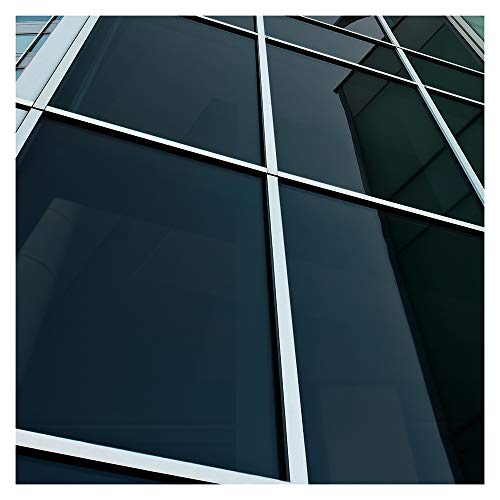
The 36-inch width makes this adhesive film a better match for wider garage panes than the 17.5-inch rolls. BDF says its very dark black finish provides daytime privacy, rejects heat, and blocks 99% of UV rays. The larger roll can reduce the number of side-by-side strips on a broad pane, but adhesive installation takes more care: the maker recommends plenty of soap-and-water mixture on both the adhesive side and glass. Avoid this film on dual-pane windows, and handle it gently because folds can leave permanent wrinkles.
Bottom line: Pick this when a wider pane and daytime privacy matter more than easy removal.
rabbitgoo Blackout Static-Cling Film

Unlike the daylight mirror film in Coavas One-Way Privacy Film, this black static-cling film is intended to block outdoor light and provide privacy day and night. rabbitgoo says the film blocks 100% of UV rays; its narrow 17.5-inch roll suits smaller panes or careful strip-by-strip coverage. Removable cling avoids glue, but light can leak at uncovered edges, so measure the glass and plan for minimal gaps. The maker also warns against applying it to double-pane windows, which makes glass construction an important compatibility check before choosing it.
Bottom line: Choose this when darkness and removable installation are the priority.
Kromapolis Total Blackout Film

Kromapolis pairs a black static-cling blackout film with an included tool kit, unlike the film-only presentation in rabbitgoo Blackout Static-Cling Film. The maker says it blocks 100% of UV rays and sunlight and provides privacy on both sides throughout the day. At 17.5 inches wide, the roll is suited to narrower panes, though a wider window may need multiple strips and careful alignment. Full blackout is useful when the garage needs darkness, but it also removes daylight; measure first and ensure that covering the pane will not interfere with required visibility or lighting.
Bottom line: Pick this if you want blackout coverage and an included installation tool kit.
Blackout Window Privacy Film

This black static-cling cover is another blackout choice, with a 17.5-inch-wide roll and a kit that includes a squeegee, utility knife, and spray bottle. Its feature claims 100% light blocking, while unlike Kromapolis Total Blackout Film it does not supply a separate UV-blocking percentage to compare. The narrow width is more suited to smaller windows or pane-by-pane installation than broad garage glass. Because blackout films eliminate incoming daylight, this option is less suitable when a garage window needs to provide useful natural light.
Bottom line: Choose this for a narrow garage pane when light blocking is the main goal.
How to choose garage window tint
Choose by the result you need: one-way privacy film works by reflecting more light from the brighter side, while blackout film blocks the view and daylight. One-way privacy is not reliable after dark when interior lights are brighter than outdoors. Blackout films can darken the room at any hour, but reduce natural light completely. For a garage used as a workspace, choose daylight privacy if retaining a view matters; choose blackout only when darkness is useful.
Garage glass also needs compatibility checks. Solar-absorbing dark film can increase thermal stress, and some products specifically caution against double-pane windows. Confirm the window’s glass construction and the film maker’s compatibility guidance before applying a dark film; do not assume that all residential glass accepts the same tint.
Measure garage panes before buying
Measure each pane’s visible glass width and height, not just the frame opening, then allow enough film to trim clean edges. A 17.5-inch-wide roll may need multiple vertical strips on a broad pane; every seam adds an opportunity for a visible gap. A 36-inch roll reduces seams on wider glass, but still needs sufficient length for the pane.
Use this quick fit rule: if the pane is wider than 17.5 inches, plan for at least two strips from a 17.5-inch roll; if it is no wider than 17.5 inches, a single strip may cover the width. Cut a little extra length for trimming, and avoid stretching film to make it fit because stretched edges can lift.
| Need | Film approach | What to plan for |
|---|---|---|
| Daytime privacy with a view | One-way reflective film | Privacy weakens when indoor light is brighter |
| Darkness day and night | Blackout film | Blocks useful daylight too |
| Wide pane coverage | Wider roll or joined strips | Measure glass and account for seams |
Static-cling and adhesive film compared
Static-cling film attaches without glue and is generally easier to reposition or remove, while adhesive film uses a bonded layer that needs careful wet application. The adhesive BDF film calls for a soap-and-water mixture on both the window and film adhesive side; wet application helps reduce bubbles during placement. Static-cling still needs clean glass and thorough water application to sit smoothly.
Blackout coverage makes edge precision especially important because even a narrow uncovered gap can leak daylight. Use a sharp utility knife and a straightedge to trim film at the pane boundary, and squeegee from the center toward the edges to push out water and air. Handle thin film without folding it, since creases may remain visible after installation.
Garage window tint safety and maintenance
Check local building and fire-safety requirements before covering a garage window that serves as required light, ventilation, or emergency egress; tint should not obstruct an exit or make hazardous glass less visible. Film does not replace safety glazing, and dark glass can make a window harder to notice in a work area.
After installation, wait until trapped application water has evaporated before cleaning, then use a soft cloth and mild cleaner rather than abrasive pads or ammonia-heavy products that can damage some films. Inspect edges periodically for lifting, especially on sunny panes where heat cycling is greater. If the film bubbles, peels, or develops cracks in the glass, stop using the window area and address the underlying issue rather than pressing the film back into place.
Frequently Asked Questions
Does one-way window film work at night?
No, one-way privacy generally weakens when the room is brighter than outdoors. Draw curtains or blinds after dark if you need privacy.
Can window tint go on double-pane garage windows?
Some dark films warn against double-pane windows because heat absorption can contribute to glass cracking. Confirm the exact window construction and film compatibility before applying a dark tint.
How wide should garage window film be?
Choose a roll at least as wide as the pane when possible to avoid seams. With a 17.5-inch roll on a pane wider than 17.5 inches, plan multiple strips and align them carefully.
How do you prevent bubbles in window film?
Clean the glass thoroughly and wet both the glass and film during installation. Use a squeegee from the center outward to push water and trapped air toward the edges.
Does blackout film keep a garage cool?
Blackout film blocks light, but a light-blocking claim alone does not establish how much heat it rejects. For heat control, compare products with a heat-rejection claim and check glass compatibility.