
BioPower Pet Shield Tag: 5 Tags Compared by Purpose

For a collar-clip flea and tick tag for a dog or cat, BioPower Pet Shield Regular Tag is the direct match because it is a stainless steel pendant designed for 12 months of wear. Choose a chew or personalized ID tag instead only if you want a different format or purpose; BioPower Horse Shield Tag is made for horses.
BioPower describes the tag as using bioresonance frequencies to repel pests, but it should not replace veterinarian-guided flea and tick prevention. Ask your veterinarian which prevention method suits your pet and local parasite risks.
We earn a commission if you buy through links on this page. As an Amazon Associate I earn from qualifying purchases. Products are compared on manufacturer specifications, not hands-on testing.
- Best overall: BioPower Pet Shield Regular Tag – The only BioPower Pet Shield collar tag for dogs and cats, made to last 12 months.
- Best for chew format: BioPower Pet Shield Chews – A 240-count soft chew supplement with brewer’s yeast and garlic rather than a collar tag.
- Best for engraved ID: EDSG Silent Slide-On ID Tag – Personalized laser engraving and a silent slide-on design for collars up to 1 inch wide.
| Product | Best for | Format | Intended animal | Wear or quantity | Shop |
|---|---|---|---|---|---|
| BioPower Pet Shield Regular Tag | Dog or cat tag | Stainless steel pendant | Dogs and cats | 12 months; 2 tags | Check Price on Amazon |
| BioPower Pet Shield Chews | Chewable supplement | Soft chews | Dogs and cats | 240 chews | Check Price on Amazon |
| BioPower Horse Shield Tag | Horse halter tag | Carbon tag | Horses | 1 year | Check Price on Amazon |
| EDSG Silent Slide-On ID Tag | Quiet engraved ID | Engraved ID tag | Dogs and cats | 1-inch collar fit | Check Price on Amazon |
| GoTags Bone ID Tag with Silencer | Two-sided pet ID | Engraved ID tag | Pets | 1.6 × 1.1 inches | Check Price on Amazon |
BioPower Pet Shield Tags and Related Options
Compare each option by its format, intended animal and stated use before choosing one for your pet.
BioPower Pet Shield Regular Tag

BioPower Pet Shield Regular Tag is the direct dog-and-cat collar tag in this group: a stainless steel pendant that clips to an existing collar. BioPower says its bioresonance technology emits pest-repelling frequencies and that the waterproof tag lasts 12 months. The two-pack may suit households needing tags for two collars. Its key limitation is that the maker does not establish parasite-control efficacy; owners choosing flea and tick prevention should ask a veterinarian whether this approach is appropriate rather than treating the tag as a substitute for veterinary guidance.
Bottom line: Choose this if you specifically want a BioPower collar-clip tag for a dog or cat.
BioPower Pet Shield Chews
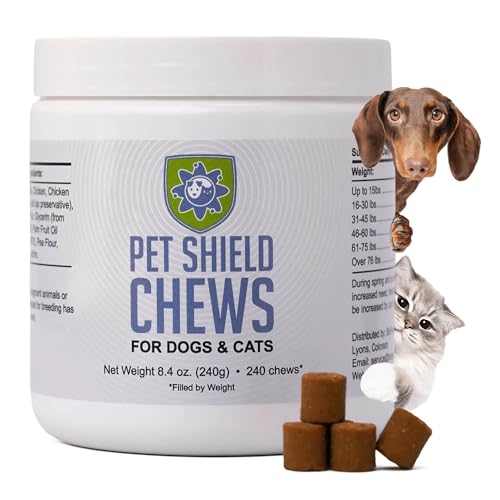
BioPower Pet Shield Chews is a chewable supplement, not a wearable tag, and its 240 soft chews make the format the main distinction. The formula includes brewer’s yeast and garlic, and the chews are chicken-flavored and one gram each. BioPower says to feed them daily as a treat or mix them into food according to the pet’s weight. That daily feeding routine is less hands-off than attaching a tag, and the maker does not give a weight-based serving chart here. Confirm the appropriate amount and ingredient suitability with your veterinarian, especially for cats or pets with health conditions.
Bottom line: Choose this if a daily chew fits your feeding routine better than a wearable tag.
BioPower Horse Shield Tag

BioPower Horse Shield Tag is a horse tag rather than a dog or cat product, so its intended fit is the decisive difference. It is a carbon tag designed to clip to a halter or fly sheet, or to be braided into a horse’s mane. BioPower says it provides one-year bioresonance protection while worn and needs no batteries. The multiple attachment options are specific to horse tack and grooming; they do not make it a suitable collar tag for a household pet. Choose it only for a horse and a compatible attachment point, and seek veterinary advice for parasite prevention.
Bottom line: Choose this only for a horse, not for a dog or cat collar.
EDSG Silent Slide-On ID Tag

EDSG Silent Slide-On ID Tag is an identification tag, not a flea and tick repellent; its value is personalized contact information on a collar. EDSG says the stainless steel charm is laser engraved and held by a silicone band that fits collars up to 1 inch wide. The rounded edges and silent slide-on design distinguish it from a dangling pendant. Measure the collar before choosing it, and make sure the engraved contact details remain current.
Bottom line: Choose this for quiet, personalized identification rather than pest protection.
GoTags Bone ID Tag with Silencer

GoTags Bone ID Tag with Silencer is a personalized stainless steel ID tag with a bone shape and a glow-in-the-dark silencer, not a pest-repellent device. GoTags says the tag supports two-sided engraving with up to eight lines of text, which provides room for contact details on both faces. The silencer is intended to reduce jingling and protect the tag’s finish and engraving. Unlike a slide-on design, this option is a dangling tag with a silencer; check that its shape and dimensions suit your pet’s collar and comfort needs.
Bottom line: Choose this for two-sided engraved identification with a noise-reducing silencer.
How to Choose a Flea and Tick Tag
Choose a parasite-prevention method by animal, active ingredient or mechanism, and the protection schedule—not by the word “natural” alone. Flea and tick products may be topical, oral, or wearable, and their labeled species and age limits matter; a dog product is not automatically safe for a cat. Ask a veterinarian to match prevention to your pet’s age, health, and local parasite exposure. Check the product label for the intended species and directions before use. For any collar-worn item, fit it so it stays secure without restricting breathing or movement. A tag’s materials and wear duration describe its design, not proof that it controls fleas or ticks.
What a Bioresonance Tag Means for Pet Owners
A bioresonance tag is a wearable product that its maker says uses frequencies, rather than a medication applied to or swallowed by the animal. That description is not the same as evidence of parasite prevention, so do not rely on a tag alone when your pet faces flea or tick exposure. Fleas can affect both pets and the home, while ticks may attach after time outdoors; regular checks help you spot problems early. After outdoor activity, inspect your pet’s coat and skin, especially around the ears, neck, and between toes. If a tick is attached, use fine-tipped tweezers to grasp close to the skin and pull steadily; contact a veterinarian if removal is difficult or the bite area becomes concerning.
Pet Shield Tag Alternatives by Purpose
Choose among these products by whether you need a wearable pest-prevention product, a chew, or identification. An engraved ID tag helps someone contact you if a pet gets loose, but it is not a flea and tick treatment. A chew has to be given as directed, while a wearable tag needs a suitable attachment point. A horse tag is meant for horse gear, not a dog or cat collar. The quick guide below separates those jobs; it is not a ranking of parasite-control effectiveness.
| Need | Product type | Check before choosing |
|---|---|---|
| Wearable tag for a dog or cat | Collar-clip tag | Species fit and veterinary prevention plan |
| Daily supplement format | Soft chews | Serving directions and ingredient suitability |
| Quiet, personalized contact details | Engraved ID tag | Collar width and tag attachment style |
| Horse attachment | Halter or fly-sheet tag | Horse-specific use and attachment method |
Fitting and Checking Pet Collar Tags
A collar tag should attach securely while leaving the collar comfortable; a common fit check for a properly fitted pet collar is room for two fingers between collar and neck. That rule is a starting point, not a substitute for a collar maker’s sizing guidance or closer monitoring for growing pets. Inspect the attachment after walks, swimming, or rough play, and replace a tag that has become loose or unreadable. For slide-on ID tags, measure collar width because the band must match the collar. Keep engraved phone numbers current, and make sure the tag does not catch on crate openings or other hazards.
Frequently Asked Questions
Can a flea and tick tag replace veterinary prevention?
Do not assume a tag can replace veterinary-guided prevention. Ask your veterinarian to consider your pet’s species, age, health, and exposure risk before relying on any flea or tick product.
How often should I check my pet for ticks?
Check your pet after outdoor activity, especially after walking through brush or tall grass. Inspect around the ears, neck, and between the toes, where ticks can be harder to spot.
How do I remove an attached tick from my pet?
Use fine-tipped tweezers to grasp the tick as close to the skin as possible and pull steadily. Avoid crushing the tick; contact a veterinarian if removal is difficult or the skin looks irritated.
How tight should a pet collar be for a tag?
A common collar-fit check is that two fingers fit between the collar and the pet’s neck. Recheck the fit as a puppy or kitten grows, and confirm the tag attachment does not make the collar restrictive.
Can I use a horse tag on a dog collar?
A horse tag is designed for horse attachment points such as a halter or fly sheet, not a dog collar. Choose a product intended for the animal and attachment style you need.
What information belongs on an engraved pet ID tag?
Include a current phone number that someone can use to reach you, and keep the engraving readable. For tags that allow multiple lines, prioritize contact details that help a finder return the pet quickly.