
Bocce Ball Measuring Devices Compared by Reach and Style

Swivel Bocce Measuring Device is the best fit for most players who want a compact, swivel-style tool for comparing balls near the pallino. Choose Konohan Extendable Bocce Measuring Device instead when extended reach matters, or Kestrel Bocce Measuring Device when you want both a string for shots farther away and folding calipers for close comparisons.
We earn a commission if you buy through links on this page. As an Amazon Associate I earn from qualifying purchases. Products are compared on manufacturer specifications, not hands-on testing.
- Best overall: Swivel Bocce Measuring Device – Its swivel design is made for comparing bocce balls with the pallino in a compact tool.
- Best for extended reach: Konohan Extendable Bocce Measuring Device – The telescoping rod extends up to 3.9 feet.
- Best for mixed distances: Kestrel Bocce Measuring Device – It pairs a string that plays out to 7 feet with folding calipers for close shots.
| Product | Best for | Measuring style | Maximum reach | Shop |
|---|---|---|---|---|
| Swivel Bocce Measuring Device | Compact scoring | Swivel tool | — | Check Price on Amazon |
| Konohan Extendable Bocce Measuring Device | Longer reach | Telescoping metal rod | Up to 3.9 ft | Check Price on Amazon |
| Kestrel Bocce Measuring Device | Mixed distances | String and folding calipers | Up to 7 ft | Check Price on Amazon |
| Bocce Measuring Device Variety 2-Pack | Two-tool set | Variety pack | — | Check Price on Amazon |
Bocce Ball Measuring Devices
Choose by how far apart the balls may be and whether you prefer a rod, swivel tool, or string and calipers.
Swivel Bocce Measuring Device

The swivel design is the defining feature of this compact bocce measuring tool. It is intended to compare the distance from bocce balls to the pallino and help settle which ball is closer. The maker describes it as easy to carry and suitable for casual or competitive play, so it suits players who want a purpose-built tool in a game bag. Its reach is unspecified, which matters if you expect to measure balls separated by a long distance; consider an extendable rod or string tool for those situations.
Bottom line: Pick this for a compact swivel-style tool for ordinary close scoring calls.
Konohan Extendable Bocce Measuring Device

The telescoping metal rod distinguishes this tool: it extends up to 3.9 feet, giving players more reach than a compact measuring tool. Its folded dimensions are 6.1 inches long by 0.39 inches wide and high, which helps it fit in a game bag. The maker says it can compare ball-to-pallino distances without requiring players to crouch beside each ball. It suits games where close calls may be spread out, but its rod-style reach is shorter than a 7-foot string option.
Bottom line: Choose this when reaching up to 3.9 feet is more useful than folding calipers.
Kestrel Bocce Measuring Device

The combination of a string and folding calipers sets this device apart from the rod-style options. Its string plays out to 7 feet for shots farther from the pallino, while the calipers fold into the body for comparing close shots. That two-part approach suits serious players who encounter both kinds of measurement during a game.
Bottom line: Pick this if you want one tool for both farther shots and close comparisons.
Bocce Measuring Device Variety 2-Pack
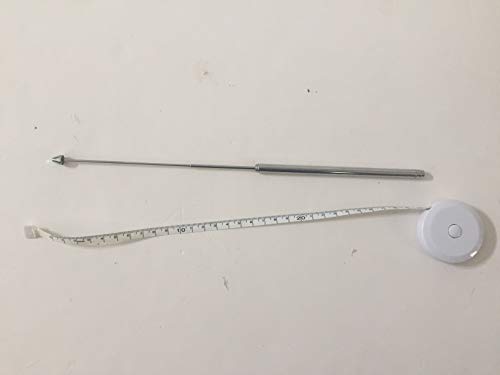
The two-pack format is the only distinguishing fact available for this bocce measuring device option. Those differences matter: a telescoping rod offers a defined reach, while a string-and-caliper design can serve different distances. Verify which styles are included before choosing this pack, particularly if you need a particular reach or measurement method.
Bottom line: Consider this pack only after confirming which measuring tools it contains.
How to choose a bocce measuring device
Choose by the distance you need to bridge and the kind of comparison you make most often. A telescoping rod with a reach of 3.9 feet suits calls within that span; a string that plays out to 7 feet accommodates farther separations. Folding calipers are intended for close shots, while a swivel-style tool offers a compact way to compare balls. Bocce balls are commonly about 4.2 inches in diameter and pallinos about 2 inches, so close calls can involve small gaps. For a gap under an inch, use a tool designed for close comparison rather than estimating by eye.
How to measure a close bocce call
Compare each ball to the pallino from the same reference points, keeping the tool aligned consistently for both measurements. On a level, firm court, a straight measuring tool can compare the gaps directly; on uneven ground, avoid pressing a rod or caliper into the surface because that can shift a ball. Bocce balls are typically around 4.2 inches across, and pallinos around 2 inches, so their curved surfaces make inconsistent contact points especially misleading. Keep players clear of the balls while measuring, and do not move a ball until the point has been decided.
Rod, swivel, string, and caliper tools
Rod tools give a defined reach, while strings can span longer distances and calipers help with close comparisons. This table maps each style to the situation it addresses; maximum reach is not a guarantee that every setup is convenient on every court.
| Style | Useful for | Reach |
|---|---|---|
| Telescoping rod | Extended straight-line comparison | Up to 3.9 feet |
| String | Shots farther from the pallino | Up to 7 feet |
| Folding calipers | Close comparisons | — |
| Swivel tool | Compact ball-to-pallino comparison | — |
A 7-foot string covers a longer span than a 3.9-foot rod, but a rod may be easier to position for a straight comparison. Choose the style around your usual calls rather than assuming one method fits every distance.
Common bocce measuring mistakes
The most common measuring mistake is comparing from different points on the balls. Use the same edge or contact method for both balls, and keep the device from pushing either ball. A second mistake is relying on a tool beyond its reach: a 3.9-foot rod cannot measure a gap that exceeds its extension, while a string can be harder to keep straight if slack remains. Mark the pallino and ball positions before measuring, especially on grass or gravel, where contact can disturb them. Agree on who will handle the measurement before a disputed call to reduce accidental movement.
Frequently Asked Questions
How far should a bocce measuring tool reach?
A reach of 3.9 feet covers many close comparisons, while a string tool in this selection extends to 7 feet. Choose a longer reach if your games often leave balls more than 3.9 feet from the pallino.
Are bocce measuring calipers useful for close shots?
Yes, folding calipers are intended for comparing shots close to the pallino. Common bocce balls are about 4.2 inches across and pallinos about 2 inches, so consistent contact points help when the gap is small.
Can I use a tape measure for bocce scoring?
A tape measure can compare the distance between balls and the pallino if it stays aligned and does not move them. For gaps under an inch, take care to use the same reference points for each ball.
Should players move a ball before measuring?
No, leave the balls and pallino in place until the close call is settled. On grass or gravel, even light contact can shift a ball and change the comparison.
What should I choose for balls several feet apart?
Use a tool whose reach covers the separation: the telescoping rod extends to 3.9 feet, and the string option plays out to 7 feet. Do not estimate beyond a tool’s reach.