
Clay Pot Lip Stain: 4 Moroccan Tints Compared

FERIHA Aker Fassi Clay Pot Stain is the named clay pot lip stain option here, with a brick-red lip and cheek tint in a single pot. Choose another option if you want two colors in one set or an included brush for applying the stain.
Clay pot stains are solid color products; a damp brush can help pick up product without wetting the pot directly.
We earn a commission if you buy through links on this page. As an Amazon Associate I earn from qualifying purchases. Products are compared on manufacturer specifications, not hands-on testing.
- Best overall: FERIHA Aker Fassi Clay Pot Stain – A single pot offers a brick-red tint for lips and cheeks.
- Best for two shades: Arganier Noir Aker Fassi Two-Pot Set – The set includes red and brick colors in two pots.
- Best for brush application: Arganier Noir Aker Fassi Stain with Brush – The package includes a lip brush and describes how to use it.
| Product | Best for | Color | Pack format | Application | Shop |
|---|---|---|---|---|---|
| FERIHA Aker Fassi Clay Pot Stain | Single brick-red pot | Red | 2.88 oz, 1 pot | Lip and cheek tint | Check Price on Amazon |
| FERIHA Aker Fassi Brick-Hue Stain | Earthy red tint | Brick-hue earthy red | 2.88 oz, 1 pot | Lip and cheek tint | Check Price on Amazon |
| Arganier Noir Aker Fassi Two-Pot Set | Two-color set | Red and brick | 5 fl oz, 2 pots | Lip and cheek tint | Check Price on Amazon |
| Arganier Noir Aker Fassi Stain with Brush | Brush application | Red | 7 fl oz, 1 pot | Wet brush, lips and cheeks | Check Price on Amazon |
Clay Pot Lip Stains Compared
Compare the shades, pack formats and application notes to find the clay pot tint that fits your routine.
FERIHA Aker Fassi Clay Pot Stain

FERIHA Aker Fassi Clay Pot Stain is a single-pot choice for shoppers who want one red shade for both lips and cheeks. The brand describes the color as buildable and long-lasting, and says the stain uses poppy petals, pomegranate rind and clay minerals. Its 2.88-ounce package keeps the choice straightforward if you do not need multiple shades. One tradeoff is the single-color format: choose a set instead if you want both red and brick tones without buying separate pots.
Bottom line: Choose this for one red clay pot tint that can be used on lips and cheeks.
FERIHA Aker Fassi Brick-Hue Stain

FERIHA Aker Fassi Brick-Hue Stain offers the same single-pot format as FERIHA Aker Fassi Clay Pot Stain, but its shade is identified as brick-hue earthy red. That distinction makes it the more direct fit for a muted, earthy red rather than a straightforward red. The brand describes the tint as buildable and long-lasting and identifies poppy petals, pomegranate rind and clay minerals in the formula. The limitation is that this is still one shade in one pot; shoppers seeking a red-and-brick pair should consider a set.
Bottom line: Pick this if an earthy brick-red shade matters more than having multiple colors.
Arganier Noir Aker Fassi Two-Pot Set
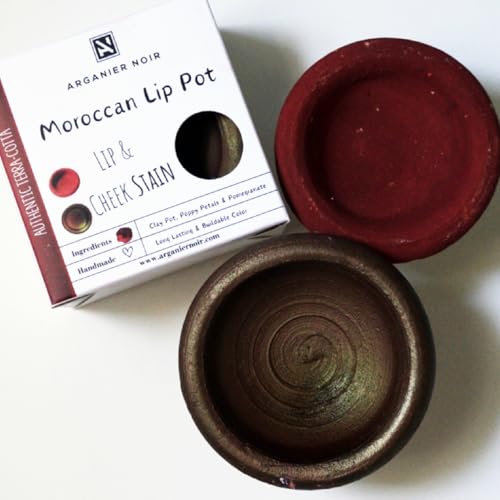
Arganier Noir Aker Fassi Two-Pot Set stands apart by pairing two colors—red and brick—in a two-pot set. That format suits someone who wants a choice of shades for lips or cheeks rather than a single-color pot. The brand describes the color as buildable and long-lasting and identifies a terracotta base with poppy petals and pomegranate. The tradeoff is the paired format: choose a single pot if you want just one shade or prefer not to keep two colors on hand.
Bottom line: Choose this set when having both red and brick shades is useful.
Arganier Noir Aker Fassi Stain with Brush

Arganier Noir Aker Fassi Stain with Brush is the option with a lip brush included, and its directions specify wetting the brush and rubbing it over the pot before applying the tint. The brand describes the product as a long-lasting, buildable lip and cheek stain made with poppy petals and pomegranate on an unglazed clay pot. The instructions caution against spraying water directly onto the pot. This package is a single red shade, so it is less suited to shoppers who want a choice of colors in one purchase.
Bottom line: Choose this if you want a brush and prefer explicit pot-application directions.
How to Choose a Clay Pot Lip Stain
Choose by shade and format first: a single pot gives one color, while a two-pot set gives you more than one shade to alternate or combine. Clay pot stains are solid products rather than liquid wand formulas, so applying a thin layer and building color gradually gives you more control than pressing a loaded brush onto the lips at once. A brush also makes it easier to work around the lip line; use a clean applicator for each person and clean it between uses to limit product contamination. If the product is meant for both lips and cheeks, use a separate clean brush or fingertip for each area rather than moving an applicator back and forth.
How to Apply and Store a Clay Pot Tint
Use a damp brush to pick up a small amount of clay-pot tint, then add thin layers until the color looks even. A damp applicator can help lift product from a solid surface, but avoid adding water directly to the pot; Arganier Noir Aker Fassi Stain with Brush specifically cautions against spraying water onto its pot. Keep the pot closed between uses and do not share a lip applicator, since products used around the mouth can transfer germs. For cheek use, start with a small amount and blend promptly; concentrated pigment can be harder to even out after it sets. Follow package directions for storage and use, especially if the texture, smell or appearance changes.
Clay Pot Stain Shade and Format Differences
The practical differences among these clay pot stains are shade and package format, not a fundamentally different product category: each is presented as a Moroccan Aker Fassi lip or lip-and-cheek tint. Red suits buyers seeking a more straightforward red shade, while brick or earthy red skews warmer and more muted. A two-pot format gives you more shade choice but means keeping track of two pots; a single pot is simpler when you know the color you want. Apply cheek color sparingly and blend in small sections, since the same concentrated pigment that shows on lips can look stronger on a smaller cheek area.
| Need | Format to consider | Why |
|---|---|---|
| One red shade | Single red pot | One color in one pot |
| Earthy brick red | Single brick-hue pot | Shade is identified as earthy red |
| Two shades | Two-pot set | Includes red and brick |
| Brush included | Single pot with brush | Brush and wet-brush directions are included |
Clay Pot Lip Stain Safety and Cleanup
Keep lip products personal: sharing a pot or brush can transfer germs, so use a clean applicator and do not double-dip an applicator that has touched the mouth. For a new color cosmetic, try a small amount on a limited area first and stop using it if irritation develops. Pigment can transfer to skin or fabric during application, so apply over a clean surface and wipe away smudges promptly. A gentle makeup remover or cleansing oil can help loosen cosmetic color; avoid scrubbing the lips, which can irritate delicate skin. Keep the pot closed and away from heat or direct sun, which can alter cosmetic texture.
Frequently Asked Questions
Can a clay pot lip stain also go on cheeks?
Some clay pot stains are labeled for both lips and cheeks, including the single pots and set here. Apply a small amount to cheeks and blend in thin layers, since concentrated color can look stronger on a small area.
How do you apply a stain from a clay pot?
Pick up a little color with a clean, slightly damp brush and apply in thin layers. Avoid spraying water directly into the pot; one product here specifically cautions against that.
How can I keep a lip stain applicator clean?
Use a clean brush or applicator and do not share it. Wash reusable brushes with soap and water, then let them dry fully before storing to reduce moisture in the pot.
How do I remove clay pot tint from lips?
A gentle makeup remover or cleansing oil can loosen cosmetic pigment from lips. Avoid vigorous scrubbing, and stop if the skin becomes irritated.
What should I do if a lip stain irritates me?
Stop using the product if irritation develops and gently remove it. For a new cosmetic, test a small amount on a limited area first rather than applying it broadly.