
Eucerin UreaRepair Plus: 3 Formulas Compared

Eucerin UreaRepair Plus Foot Cream suits most shoppers seeking a foot-specific cream because its name identifies it for feet and its features include urea and ceramides. Choose a different formula if you need a general body lotion or a higher-urea cream for targeted care.
We earn a commission if you buy through links on this page. As an Amazon Associate I earn from qualifying purchases. Products are compared on manufacturer specifications, not hands-on testing.
- Best overall: Eucerin UreaRepair Plus Foot Cream – Foot-specific formula with urea and ceramides.
- Best for targeted care: Eucerin UreaRepair Plus 30% Urea Cream – The name identifies it as a 30% urea moisturizing cream.
| Product | Best for | Format | Urea | Size | Shop |
|---|---|---|---|---|---|
| Eucerin UreaRepair Plus Foot Cream | Dry feet | Foot cream | 10% in name; 5% in features | 3.4 fl oz | Check Price on Amazon |
| Eucerin UreaRepair Plus 30% Urea Cream | Higher urea | Moisturizing cream | 30% in name | 2.55 fl oz | Check Price on Amazon |
| Eucerin UreaRepair Plus Intensive Lotion | Intensive lotion | Intensive lotion | — | 3.53 oz in details | Check Price on Amazon |
Eucerin UreaRepair Plus creams and lotions
Choose by intended area, formula strength, and whether a cream or lotion fits your routine.
Eucerin UreaRepair Plus Foot Cream

Unlike the general lotions, this formula is specifically named as a foot cream, making it the clearest match for dry or rough feet. The product name gives 10% urea, while its maker says 5% urea, so confirm the concentration on the package if that number will guide your choice. The formula is described as an oil-in-water emulsion and fragrance- and colorant-free. Its limitation is the conflicting urea percentages; shoppers needing a confirmed concentration should verify the tube before choosing.
Bottom line: Choose this for a foot-focused cream, but confirm its urea percentage on the package.
Eucerin UreaRepair Plus 30% Urea Cream
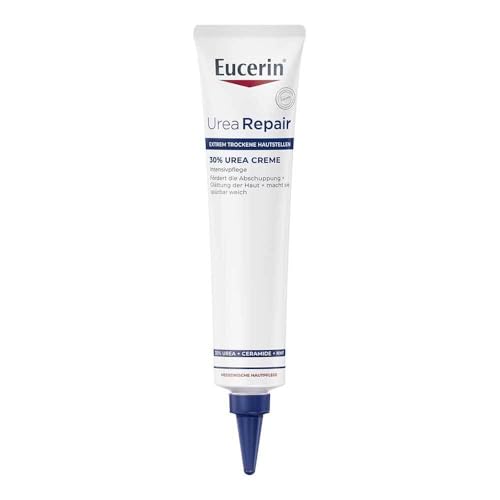
This is the highest-concentration formula by the percentage in its name: a 30% urea moisturizing cream in a 2.55-ounce container. That makes it a distinct choice from the foot cream and broader lotions when you are specifically looking for a higher-urea cream. The input gives no application area or additional formula features, so base the decision on the concentration and cream format rather than assuming it is for feet or a particular skin concern. Its smaller size may be less convenient for covering larger areas routinely.
Bottom line: Pick this when 30% urea in a cream is the priority.
Eucerin UreaRepair Plus Intensive Lotion
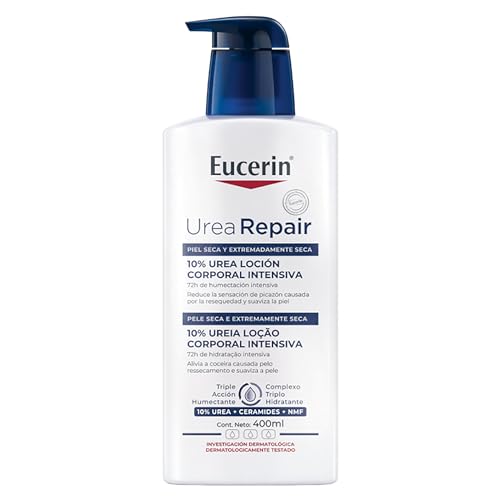
This is the only UreaRepair Plus option here explicitly named as an intensive lotion, setting it apart from the foot cream and the 30% urea cream. The size fields conflict: the name says 400 ml, while the maker gives 3.53 ounces, a much smaller amount. Confirm the package size before ordering if quantity matters. The product text provides no percentage of urea or specific application area, so this is best considered by its lotion format and UreaRepair Plus name rather than a strength comparison.
Bottom line: Pick this for the intensive lotion format after confirming the package size.
How to choose a UreaRepair Plus formula
Start with the area and format: a foot cream is the clearest choice for feet, while a lotion is a broader format and a cream is more concentrated in feel. Urea is a humectant that attracts water into the outer skin layer; higher concentrations can also soften thickened skin. Concentrations around 5% to 10% are common in moisturizers, while 20% to 40% products are generally used for very thick, rough areas. For daily dry skin, start with a lower concentration; reserve high-strength urea for limited rough patches unless a clinician advises otherwise. Avoid applying urea to broken or irritated skin, and stop if it stings persistently.
What urea percentages mean
Urea concentration changes a cream’s role: lower levels mainly moisturize, and higher levels can loosen compact, rough skin. The other cream names 30% urea, while the lotion entries do not provide a percentage. Compare percentage only when it is clearly given; format and intended area matter just as much. A useful rule is to choose a 5% to 10% moisturizer for routine dryness and consider higher strengths only for localized thick skin, not widespread sensitive areas. Keep urea products away from eyes and mucous membranes.
Cream and lotion formats compared
Lotions spread more easily over larger areas, while creams tend to feel richer and suit focused application. The table separates these options by use and what to verify before deciding.
| Need | Format to consider | Decision check |
|---|---|---|
| Dry feet | Foot cream | Confirm the urea percentage where it conflicts |
| Localized thick roughness | Higher-urea cream | Use only on appropriate intact skin |
| Broader body application | Lotion | Check the package quantity and formula label |
For area coverage, an 8-ounce lotion generally offers more product than a 2.55-ounce cream, though the intended use differs. Match the package quantity to how much skin you plan to cover and how often you apply it.
How to use urea cream carefully
Apply urea moisturizer to clean, dry, intact skin and use a small amount first, especially with a high-concentration cream. Urea can cause brief tingling on cracked or inflamed skin, so avoid those areas and discontinue use if irritation continues. For feet, applying cream after bathing can help retain moisture; allow it to absorb before walking to reduce slipping. Do not use a high-strength formula over large areas without medical guidance, and keep all creams away from children and eyes. People with diabetes, reduced foot sensation, or persistent fissures should ask a health professional before applying strong keratolytic products to their feet.
Frequently Asked Questions
What urea percentage is in the Eucerin foot cream?
The foot cream’s name says 10% urea, but its maker says 5%. Check the package label to confirm the concentration before choosing based on strength.
Is 30% urea cream suitable for daily use?
A 30% urea cream is a high-strength option generally reserved for localized thick or rough skin, rather than routine full-body moisturizing. Avoid broken skin and seek clinical guidance if treating persistent foot problems.
Should urea cream go on cracked skin?
Avoid applying urea cream to broken or inflamed skin because it can sting or irritate. Apply to intact skin and stop if discomfort persists.
How often should dry feet be moisturized?
Many people apply foot moisturizer once or twice daily, especially after bathing when skin is clean and dry. Reduce or stop use if redness or persistent stinging develops.
Can urea lotion be used on the whole body?
Lower-strength urea moisturizers are commonly used on broader dry areas, but confirm the formula concentration and intended area on its package. Avoid eyes, mucous membranes, and broken skin.