
Healing Natural Oils: 5 Options Compared by Use

For a spiritual ritual oil, CIRCE Healing Spell Oil is the closest match because its calendula-and-eucalyptus blend is made for anointing and intention-setting. Choose a different option for hair care, aromatic use or skin moisturizing; these products serve different purposes, and none should be treated as a medical remedy.
We earn a commission if you buy through links on this page. As an Amazon Associate I earn from qualifying purchases. Products are compared on manufacturer specifications, not hands-on testing.
- Best overall: CIRCE Healing Spell Oil – Its calendula, eucalyptus, lavender and vanilla blend is specifically positioned for ritual use.
- Best for hair care: Batana Oil for Hair – The 4.2-ounce batana oil is intended for scalp and hair application.
- Best for dry skin: Plant Therapy Healing Balm – The 4-ounce balm combines shea butter, tamanu oil and calendula extract.
| Product | Best for | Format and size | Key ingredients | Intended use | Shop |
|---|---|---|---|---|---|
| CIRCE Healing Spell Oil | Ritual use | Oil, 0.5 fl oz | Calendula, eucalyptus, lavender, vanilla | Anointing and rituals | Check Price on Amazon |
| Batana Oil for Hair | Hair care | Oil, 4.2 fl oz | Batana oil | Scalp and hair care | Check Price on Amazon |
| Healing Solutions Comfort Blend | Aromatic use | Essential oil blend, 0.33 fl oz | Comfort blend; components unspecified | Diffuser use | Check Price on Amazon |
| Healing Solutions Health Shield Organic | Organic blend | Essential oil blend, 0.33 fl oz | Organic blend; components unspecified | Aromatic use | Check Price on Amazon |
| Plant Therapy Healing Balm | Dry skin | Balm, 4 oz | Shea butter, tamanu oil, calendula | Skin moisturizing | Check Price on Amazon |
Healing Natural Oils Compared
Choose by intended use first, then compare the format, size and ingredients.
CIRCE Healing Spell Oil
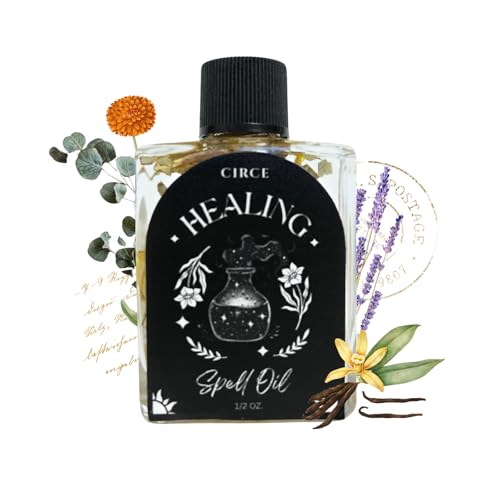
Unlike the hair and aromatherapy oils here, this blend is presented as a ritual tool for anointing candles, doorways, charms and altar objects. It combines calendula and eucalyptus with lavender and vanilla aroma in a 0.5-fluid-ounce bottle. The maker describes emotional balance and spiritual intentions as its purpose; those are ritual claims, not medical effects. Choose it if you want an oil for symbolic or personal practice. The small bottle is less suited to someone seeking a larger-volume hair or skin moisturizer.
Bottom line: Pick this for ritual use rather than physical symptom relief.
Batana Oil for Hair

Among these options, this is the one specifically intended for scalp and hair care, rather than ritual application or diffuser use. The 4.2-fluid-ounce bottle contains batana oil, and the maker says it is raw and unrefined. The product is positioned for moisturizing hair and scalp; its claims about regrowth, thickness and preventing hair loss should not be taken as established medical outcomes. Choose it if you want a hair oil, but not if you are looking for a skin balm or a clearly identified essential-oil blend.
Bottom line: Choose this for an oil intended for hair and scalp.
Healing Solutions Comfort Blend

For a diffuser-oriented option, this 0.33-fluid-ounce essential oil blend is distinct from the ritual oil and the single-ingredient batana oil. The maker describes it as undiluted and says batches receive GC-MS purity testing; the specifications do not identify the blend’s component oils, so buyers who need to avoid a particular ingredient should verify the formula before use. Choose it for aromatic use if the scent profile works for you. It is not the right format when you want a moisturizing balm or a named botanical oil.
Bottom line: Choose this for diffuser-oriented aromatic use if its ingredients suit you.
Healing Solutions Health Shield Organic

This is the only option here whose product name and features identify it as organic: it is a 10-milliliter essential-oil blend with a USDA-organic claim. That distinction matters if you are choosing based on scent or avoiding a specific oil; verify the ingredient formula before buying. Select it when organic status is your priority, rather than for the hair-care or moisturizing uses of other formats.
Bottom line: Choose this when organic blend status is the deciding factor.
Plant Therapy Healing Balm

This is a balm, not a pourable oil, making it the option aimed at moisturizing skin rather than scalp oiling, rituals or diffuser use. The 4-ounce formula names shea butter, tamanu oil and calendula extract, and the maker says it is intended for dry or irritated skin. Its thicker balm format suits targeted application, but is a poor match if you specifically need a liquid oil or aromatic blend. The maker’s suitability claims do not establish that it treats a skin condition.
Bottom line: Choose this for a balm format to moisturize dry skin.
How to choose a healing natural oil
Start with the intended use: hair oil, ritual oil, aromatic blend and skin balm are not interchangeable formats. A liquid oil meant for scalp application is different from a concentrated essential-oil blend, while a balm contains solid or semi-solid moisturizing ingredients. Essential oils are concentrated volatile extracts, and many should be diluted in a carrier oil before skin application; do not assume a blend is safe to apply undiluted. For skin use, choose a product whose label gives clear application directions and ingredient names. If a product makes a disease-treatment or hair-regrowth promise, treat that as a claim rather than proof of an outcome.
Essential-oil use and dilution safety
Essential oils are concentrated, so avoid applying an undiluted essential oil directly to skin unless its label specifically directs that use. A common adult dilution for routine topical use is about 1% to 2%, or roughly 6 to 12 drops of essential oil per fluid ounce of carrier oil; sensitizing oils and children may require lower concentrations or avoidance. Patch-test a diluted mixture on a small area and wait 24 hours before broader use. Keep oils away from eyes, mucous membranes and children, and do not ingest them unless a qualified clinician specifically advises it. Fragrance sensitivity, asthma and pregnancy can change which oils are appropriate.
Oil, essential-oil blend and balm formats
Format is the fastest way to separate these choices: liquid botanical oils are commonly used as emollients, essential-oil blends are concentrated aromatic mixtures, and balms are thicker preparations designed to stay on skin. A diffuser should be used only with products labeled for diffusion, according to the diffuser maker’s water and drop guidance; more drops do not necessarily improve the experience. For skin, a balm can reduce mess compared with a runny oil, while an essential-oil blend may need dilution. The table distinguishes the products by format and main use, not by a medical effect.
| Format | Typical purpose | Buyer check |
|---|---|---|
| Botanical oil | Hair or skin emollient use | Confirm intended application |
| Essential-oil blend | Aromatic or ritual use | Check ingredients and dilution |
| Balm | Moisturizing skin | Check texture and allergens |
What to check before applying an oil
Read the ingredient list and use directions before applying any oil to skin; the product name alone does not establish dilution, allergens or suitability for a particular person. If you need to avoid an ingredient, do not rely on a blend name such as “comfort” or “health shield”—confirm each component first. Use a 1% dilution as a cautious starting point for many adult topical applications, and stop if irritation occurs. Essential oils can be hazardous if swallowed and should be stored securely away from children and pets. For persistent scalp or skin concerns, seek professional medical guidance instead of relying on an oil’s healing language.
Frequently Asked Questions
Can healing oils treat a medical condition?
No oil in this comparison should be treated as a proven treatment for disease or injury. Aromatic or moisturizing use is different from medical care, so persistent symptoms warrant advice from a qualified clinician.
Should essential oils be diluted before skin use?
Many essential oils should be diluted in a carrier oil before topical use. A common adult starting dilution is 1%, about 6 drops per fluid ounce, but some oils require lower concentrations or should be avoided.
How do I patch-test a new oil?
Apply a small amount of the properly diluted product to a limited area and wait 24 hours before broader use. Avoid testing on broken skin, and stop if redness, itching or burning develops.
Can every natural oil go in a diffuser?
No; use only products labeled for diffuser or aromatic use and follow the diffuser maker’s water and drop directions. Botanical hair oils and skin balms are not interchangeable with diffuser blends.
Are essential oils safe around children and pets?
Essential oils can be harmful if swallowed, and some may irritate skin or airways. Keep bottles secured and out of reach, and check with a pediatric or veterinary professional before use around a child or pet.