
Leica D-Lux 3 Digital Camera: 4 Models Compared

The Leica D-Lux 3 10MP camera is the stronger match for most buyers seeking this model because it pairs a 4x wide-angle optical zoom with optical image stabilization. Choose the 3MP version if its smaller file output and compact aluminum body fit your needs; the D-Lux 7 and Type 109 are different generations, not D-Lux 3 models.
We earn a commission if you buy through links on this page. As an Amazon Associate I earn from qualifying purchases. Products are compared on manufacturer specifications, not hands-on testing.
- Best overall: Leica D-Lux 3 10MP – Its 10-megapixel CCD, 4x wide-angle optical zoom and optical stabilization distinguish it among the D-Lux 3 options.
- Best for compact simplicity: Leica D-Lux 3 3MP – The aluminum-bodied camera has 3-megapixel capture, 3x optical zoom and USB 2.0 connectivity.
- Best for newer controls: Leica D-Lux 7 Silver – The D-Lux 7 adds a touchscreen, 17MP Four Thirds sensor and USB charging.
| Product | Best for | Resolution | Optical zoom | Stabilization | Shop |
|---|---|---|---|---|---|
| Leica D-Lux 3 10MP | More image detail | 10 MP | 4x | Optical image stabilization | Check Price on Amazon |
| Leica D-Lux 3 3MP | Basic compact use | 3 MP | 3x | — | Check Price on Amazon |
| Leica D-Lux Type 109 | Manual control | 12.8 MP | — | — | Check Price on Amazon |
| Leica D-Lux 7 Silver | Touchscreen operation | 17 MP | 24–75 mm equivalent | Optical image stabilization | Check Price on Amazon |
Leica D-Lux 3 Digital Cameras and Alternatives
Compare the two D-Lux 3 versions first, then consider the newer models if their features better fit your priorities.
Leica D-Lux 3 10MP

The 10MP D-Lux 3 stands apart from the other D-Lux 3 option with a higher-resolution CCD, 4x wide-angle optical zoom and optical image stabilization. Leica says its sensor captures enough detail for photo-quality 18-by-24-inch prints. Manual settings give experienced users control over image-making, while the aluminum housing keeps the camera compact. This is the better fit if resolution and stabilization matter more than the simplest specification set.
Bottom line: Choose this version if you want the higher resolution and stabilization in a D-Lux 3.
Leica D-Lux 3 3MP

The 3MP D-Lux 3 is the simpler, lower-resolution alternative, with 3x optical zoom plus 3x digital zoom and an aluminum body. The camera includes a 64 MB Secure Digital card, also supports MMC cards and connects to PCs and Macs over USB 2.0. Leica says its sensor can make photo-quality 8-by-10-inch prints and medium-quality prints up to 11-by-14 inches. Choose it when those print sizes and basic connectivity are enough. The 3MP capture resolution is a real constraint for buyers who want more cropping room or larger high-quality prints than the maker’s range.
Bottom line: Pick this version if its lower-resolution output and included card suit your needs.
Leica D-Lux Type 109
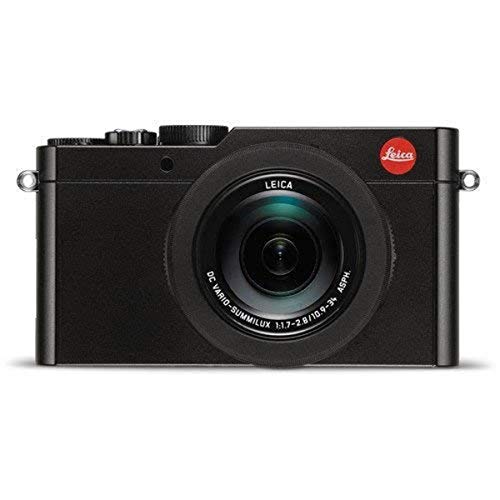
The D-Lux Type 109 is a different model from the D-Lux 3, with a 12.8MP sensor and an integrated 2.8MP OLED electronic viewfinder. Its feature set emphasizes manual operation, focus peaking and a fixed lens matched to the sensor. A LEICA CF D flash is included. Consider it if a viewfinder and manual-focused operation matter more than matching the D-Lux 3 model name.
Bottom line: Choose this alternative if an electronic viewfinder and manual controls matter most.
Leica D-Lux 7 Silver

The D-Lux 7 is a newer, different D-Lux model, distinguished by a 17MP Four Thirds sensor, touchscreen LCD and USB charging. Its 24–75 mm f/1.7–2.8 lens includes optical image stabilization, and the camera has a full metal housing. Leica says the sensor supports high image quality in low light. It suits buyers seeking a broader set of modern controls rather than the specific D-Lux 3. Its lens range and interface are a different proposition from the older D-Lux 3 cameras, so it is not a direct model match for someone replacing that camera with the same generation.
Bottom line: Pick this alternative if a touchscreen and USB charging outweigh a D-Lux 3 match.
How to Choose a Leica D-Lux 3
Start with resolution and stabilization: the 10MP version adds both higher capture resolution and optical image stabilization compared with the 3MP option. Optical zoom changes framing through the lens, while digital zoom enlarges a crop; use the optical range when preserving captured detail matters. For still subjects in dim light, stabilization can reduce blur from hand movement, but it cannot freeze a moving subject. Print size is also a practical filter: the 3MP camera’s maker-stated range tops out at medium-quality 11-by-14-inch prints, while the 10MP model is described for photo-quality prints up to 18-by-24 inches. Choose by your largest intended print and how much cropping flexibility you need.
Optical Zoom and Stabilization
Optical zoom is the useful zoom figure for comparing these cameras because it changes focal length rather than enlarging pixels after capture. The two D-Lux 3 options differ at 3x versus 4x optical zoom; the 3MP model’s additional 3x is digital zoom, not another optical range. Stabilization matters most when handholding at slower shutter speeds: optical image stabilization can counter camera shake, but not subject motion. A tripod can help with still scenes when shutter speed must be low. When comparing a camera’s zoom, check whether the number refers to optical or digital range and whether stabilization is actually included.
Print Resolution and Cropping
Print dimensions depend on pixel count and the print’s pixel density, not megapixels alone. A common high-quality print target is about 300 pixels per inch; at that density, an 8-by-10-inch print needs roughly 7.2MP, while an 18-by-24-inch print needs about 38.9MP. Those calculations are a guideline, not a hard boundary: viewing distance and output quality change the result. The maker’s print claims for the D-Lux 3 cameras use different quality labels, so compare them in context rather than treating the larger figure as a guarantee of equal sharpness. Cropping also removes pixels, making extra resolution useful when framing may change later.
When a Newer D-Lux Is a Better Fit
A newer camera can be the better match when controls and workflow matter more than preserving the exact D-Lux 3 model. The Type 109 has an integrated electronic viewfinder, focus peaking and manual operation, while the D-Lux 7 has a touchscreen and USB charging. Neither should be treated as another D-Lux 3 version. For a camera used with an existing card or cable setup, verify the specific media and connection compatibility before buying; the 3MP D-Lux 3 supports SD and MMC and has USB 2.0, while those features are not given for the newer alternatives here. Keep spare batteries away from heat and metal objects that could short the contacts.
Frequently Asked Questions
Does digital zoom preserve the same detail as optical zoom?
No. Digital zoom crops and enlarges the captured image, while optical zoom changes the lens framing before capture. Use the optical range when retaining detail is the priority.
How large can a 3-megapixel photo print?
At about 300 pixels per inch, a 3MP image is roughly enough for a 6-by-8-inch print before cropping. Larger prints can work when viewed from farther away, but fine detail decreases as print size grows.
Can image stabilization stop a moving subject from blurring?
No. Optical stabilization counters camera movement, not motion within the scene. A faster shutter speed is needed to reduce blur from a moving subject.
What does focus peaking show on a digital camera?
Focus peaking highlights edges the camera judges to be in focus, helping with manual focusing. It is a visual aid rather than a guarantee that the entire subject is sharply focused.
How much resolution does an 8-by-10-inch print need?
A 300-pixels-per-inch target takes about 7.2 megapixels for an 8-by-10-inch print. Lower pixel density can still look acceptable at a greater viewing distance, and cropping reduces the available pixels.