
Lucky Wood Silver Japan Cutlery: 5 Pieces Compared

For a Lucky Wood silver piece made in Japan, choose Lucky Wood Romnay Himefork if you want the shortest fork and a 20-micron silver mirror finish. Lucky Wood Silver Lake Ice Cream Spoon and Lucky Wood Silver Lake Fruit Fork are stainless-steel Silver Lake pieces for ice cream or fruit; choose another piece if you need a full place setting rather than a single dessert utensil.
We earn a commission if you buy through links on this page. As an Amazon Associate I earn from qualifying purchases. Products are compared on manufacturer specifications, not hands-on testing.
- Best overall: Lucky Wood Romnay Himefork – Its 4.8-inch length and 20-micron silver mirror finish distinguish it from the stainless-steel options.
- Best for ice cream: Lucky Wood Silver Lake Ice Cream Spoon – The 5.1-inch spoon is specifically sized as an ice cream spoon.
- Best for fruit: Lucky Wood Silver Lake Fruit Fork – The 6.1-inch fork is identified as a fruit fork.
| Product | Best for | Length | Material | Finish | Shop |
|---|---|---|---|---|---|
| Lucky Wood Romnay Himefork | Short dessert fork | 4.8 in | White silverware | 20-micron silver mirror | Check Price on Amazon |
| Lucky Wood Silver Lake Ice Cream Spoon | Ice cream spoon | 5.1 in | 18-10 stainless steel | Mirror | Check Price on Amazon |
| Lucky Wood Silver Lake Fruit Fork | Fruit fork | 6.1 in | 18-10 stainless steel | Mirror | Check Price on Amazon |
| Lucky Wood Dayton Bouillon Spoon | Bouillon spoon | 5.7 in | 18-8 stainless steel | Mirror | Check Price on Amazon |
| Lucky Wood Paris Dessert Fork | Dessert fork | 7.5 in | White silverware | 20-micron silver satin handle | Check Price on Amazon |
Lucky Wood Silver Japan Cutlery Compared
Compare each utensil by its intended use, length and metal before choosing.
Lucky Wood Romnay Himefork
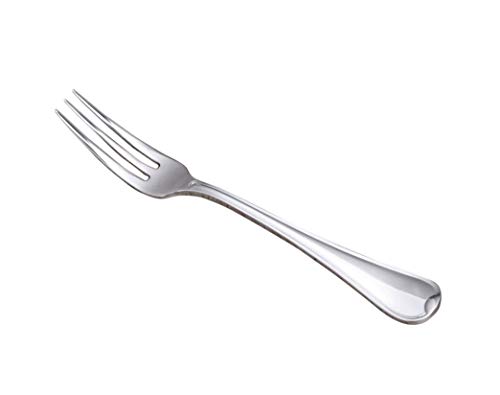
At 4.8 inches, this Romnay Himefork is the shortest utensil here and has white silverware with a 20-micron silver mirror finish. That combination suits a compact fork for small desserts or fruit. The length is substantially shorter than the 6.1-inch Silver Lake fruit fork, so choose this piece when a smaller handle and silver finish matter more than a longer reach. Its role is a single small fork, not a coordinated full setting.
Bottom line: Choose this for a compact fork with a silver mirror finish.
Lucky Wood Silver Lake Ice Cream Spoon

The Silver Lake Ice Cream Spoon is the only spoon among these five pieces specifically named for ice cream. It measures about 5.1 inches and uses 18-10 stainless steel with a mirror finish, unlike the white-silverware forks. Its compact length fits a dessert course where a standard place-setting spoon would be cumbersome. Pick it for ice cream or similar small servings; it is a single dessert spoon rather than a general serving utensil.
Bottom line: Choose this when you want a dedicated compact ice cream spoon.
Lucky Wood Silver Lake Fruit Fork

Unlike the compact ice cream spoon, the Silver Lake Fruit Fork is a 6.1-inch fork intended for fruit. Its 18-10 stainless steel construction and mirror finish match the Silver Lake spoon, while its longer shape provides more reach than the 4.8-inch Romnay Himefork. This is the fit for a fruit course or a slightly longer dessert fork. Buyers seeking white silverware or the shorter 20-micron silver finish should choose a different piece.
Bottom line: Choose this for fruit service and a longer stainless-steel fork.
Lucky Wood Dayton Bouillon Spoon

The Dayton Bouillon Spoon is the only utensil here identified for bouillon, with a 5.7-inch length and 18-8 stainless steel. Its mirror finish gives it a polished look, while its material differs from the 18-10 Silver Lake pieces. Choose it when a dedicated bouillon spoon is the priority rather than a small dessert spoon. Its 5.7-inch form is longer than the ice cream spoon, but the product is still one course-specific spoon, not an all-purpose soup ladle.
Bottom line: Choose this for bouillon service in an 18-8 stainless-steel spoon.
Lucky Wood Paris Dessert Fork

The Paris Dessert Fork is the longest piece in this group at 7.5 inches, with white silverware and a 20-micron silver handle in a satin finish. Its longer profile separates it from the compact Romnay Himefork, and the satin handle contrasts with that fork’s mirror finish. This is a better match when a longer dessert fork is desired. It is still a single fork, and the finish distinction applies to the handle rather than a mirror-finished utensil.
Bottom line: Choose this for a longer dessert fork with a satin-finish silver handle.
How to choose Lucky Wood silver cutlery
Start with the course and utensil type, then compare length and metal. Dessert spoons and forks commonly run about 5 to 7 inches; the pieces span 4.8 to 7.5 inches, so the shortest one is notably compact while the longest offers more reach. Stainless steel grades use chromium and nickel: 18-8 and 18-10 both indicate chromium-nickel alloys, with the second number giving the approximate nickel percentage. If the exact finish matters, choose by the specific mirror or satin description rather than assuming all silver-colored cutlery is alike.
Silver finish and stainless steel differences
Silver-colored cutlery can be stainless steel or silver-finished ware, and the metal affects care and appearance. Stainless steel marked 18-10 contains about 18% chromium and 10% nickel; 18-8 contains about 18% chromium and 8% nickel. A 20-micron finish refers to a coating thickness, not the utensil’s length or total metal content. For these pieces, compare the satin handle finish with mirror finishes carefully; finish names describe surface appearance, not a guarantee of dishwasher safety or tarnish resistance.
Choosing the right utensil length
Use the course and serving vessel to decide length: a small cup or dessert dish generally pairs better with a compact utensil, while a longer fork can offer more reach on a dinner plate. A practical rule is to favor a utensil under 5.5 inches for compact dessert dishes, and a longer fork for broader plates. The 2.7-inch span between the shortest and longest pieces is enough to change handling and proportion. Measure the dish or compare against an existing utensil before choosing if the fit is close.
Care for silver-finished and stainless cutlery
Hand washing is the cautious choice for silver-finished cutlery, especially when a finish or satin handle is present; harsh detergents and prolonged contact with other metals can dull or scratch surfaces. Stainless steel can also develop spots when left wet, so rinse food residue promptly and dry with a soft cloth. Avoid steel wool and abrasive pads on mirror finishes because fine scratches show under reflected light. For a mixed-material set, separate pieces during storage to reduce rubbing between utensils.
Frequently Asked Questions
What does 18-10 stainless steel mean?
18-10 stainless steel contains approximately 18% chromium and 10% nickel. Chromium supports corrosion resistance, while nickel contributes to the alloy’s durability and finish.
Is 18-8 stainless steel different from 18-10?
Yes. Both grades have about 18% chromium, but 18-8 has about 8% nickel compared with about 10% in 18-10. The grade alone does not establish whether a utensil is dishwasher safe.
What does a 20-micron silver finish indicate?
A 20-micron figure describes a finish layer thickness of 20 micrometers, or 0.02 millimeters. It does not mean the utensil itself is made entirely of silver.
How long should a dessert fork be?
Dessert forks commonly measure roughly 5 to 7 inches, depending on the course and plate size. For a compact dessert dish, a fork under 5.5 inches is a useful fit rule; a longer fork gives more reach.
Can mirror-finish cutlery go in the dishwasher?
Dishwasher safety depends on the utensil’s materials and finish, so a mirror appearance alone is not enough to decide. Hand wash silver-finished or satin-handled pieces, and dry stainless steel promptly to limit water spots.