
Men’s Fur Lined Winter Boots: 5 Models Compared

For men’s fur lined winter boots, the NORTIV 8 QUEBEC-M is the named model here with a faux-fur liner, waterproof shell, and 200g insulation; its maker says it is suited to temperatures as low as -25°F. Choose a different boot if you prefer a 7.1-inch mid-cut, drawstring entry, or zipper closure.
We earn a commission if you buy through links on this page. As an Amazon Associate I earn from qualifying purchases. Products are compared on manufacturer specifications, not hands-on testing.
- Best overall: NORTIV 8 QUEBEC-M – Combines a faux-fur liner, 200g insulation, a waterproof shell, and a maker-stated -25°F warmth rating.
- Best for mid-cut coverage: TRAILBLITZ 7.1-Inch Mid-Top – Has a 7.1-inch mid-cut shaft and a faux-fur lining.
- Best for zipper entry: Hanani Fleece-Lined Ankle Boot – Uses a zipper closure and synthetic short-fleece lining.
| Product | Best for | Lining or insulation | Weather protection | Closure | Shop |
|---|---|---|---|---|---|
| NORTIV 8 QUEBEC-M | Cold snowy conditions | 200g Thinsulate, faux-fur insole | Water-resistant upper, waterproof shell | — | Check Price on Amazon |
| ROCKMARK Mid-Calf Snow Boots | Mid-calf snow coverage | Fur lining | Seam-sealed waterproof construction | — | Check Price on Amazon |
| TRAILBLITZ 7.1-Inch Mid-Top | Lightweight mid-top wear | Faux-fur lining | Water-resistant fabric | Lace-up | Check Price on Amazon |
| ALEADER Pull-On Snow Boot | Easy pull-on entry | Insulation | Seam-sealed waterproof outsole | Drawstring and ankle strap | Check Price on Amazon |
| Hanani Fleece-Lined Ankle Boot | Zipper ankle entry | Synthetic short fleece | Waterproof Oxford-fabric upper | Zipper | Check Price on Amazon |
Men’s Fur Lined Winter Boots Compared
Compare the lining, moisture protection, and entry style to match the boot to your winter routine.
NORTIV 8 QUEBEC-M

The NORTIV 8 QUEBEC-M pairs 200g 3M Thinsulate insulation with a faux-fur insole, setting it apart for cold-weather use. The maker says the insulation is intended for temperatures as low as -25°F. Its wind-resistant, water-resistant upper and waterproof shell address snow and wet conditions, while the rubber outsole is designed for traction across varied terrain. This model suits buyers who prioritize insulation and shell coverage. The fit note says it runs small, so people between sizes or wanting extra room should account for the recommendation to size up.
Bottom line: Choose this if insulation and a waterproof shell matter more than a relaxed fit out of the box.
ROCKMARK Mid-Calf Snow Boots

The ROCKMARK stands out with mid-calf coverage, which can help keep falling snow from entering at the opening. Its soft fur lining is intended to retain heat, and the maker describes the seam-sealed construction as protection against snow, slush, and light moisture. The rubber outsole has a rugged traction pattern for winter walking and outdoor work. This boot suits buyers who want a higher shaft for shoveling or snow trekking. The size is 9, so shoppers needing another size should confirm available sizing before choosing.
Bottom line: Pick this when shaft coverage is a priority for snowy walks or outdoor tasks.
TRAILBLITZ 7.1-Inch Mid-Top

The TRAILBLITZ is the only option here with a 7.1-inch height and lace-up closure, making its mid-top cut a defining feature. Faux fur lines the boot, and the maker describes its fabric as water resistant rather than waterproof; it recommends water-repellent spray for extended snowy conditions. A deeply textured outsole is designed for grip on wet surfaces and snow. This is a fit for buyers who want a lightweight walking or hiking style. The limitation is its water-resistant construction, which may be less suitable than a waterproof shell for prolonged exposure.
Bottom line: Choose this for a lightweight lace-up mid-top and shorter outings in wet winter weather.
ALEADER Pull-On Snow Boot
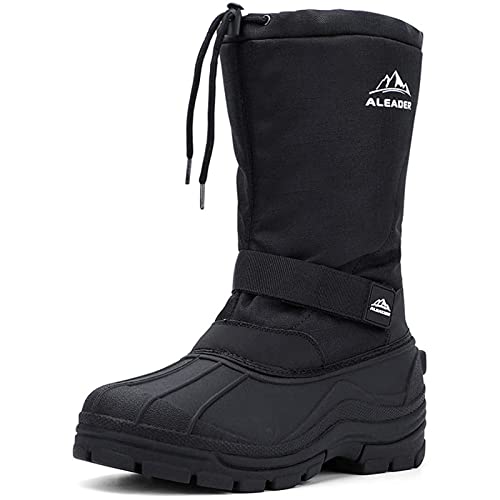
The ALEADER uses a drawstring and ankle hook-and-loop strap for entry and adjustment, unlike the lace-up and zipper options. Its cushioned footbed and insulation are intended to provide comfort and warmth, while a seam-sealed waterproof outsole helps keep feet dry in wet conditions. The boot suits buyers who want a simple closure for winter errands and outdoor activities. The sizing guidance recommends checking the brand’s size chart because sizing may differ from everyday shoes; the boot’s size is 12.
Bottom line: Pick this for adjustable pull-on entry and a waterproof outsole.
Hanani Fleece-Lined Ankle Boot

Its upper is waterproof Oxford fabric, and the synthetic short-fleece lining is designed to provide warmth without shedding easily. A non-slip rubber sole completes the walking-oriented setup. This boot suits buyers who prefer a fleece-lined ankle boot and zip access.
Bottom line: Choose this if zipper access and an ankle boot profile suit your routine.
How to Choose Men’s Fur Lined Winter Boots
Start with the winter conditions: insulation addresses cold, while waterproofing addresses moisture, and neither substitutes for the other. Look for an insulation weight or temperature rating when cold exposure is a deciding factor; 200g 3M Thinsulate is one concrete specification in this group. For regular snow and slush, prioritize a waterproof shell or seam-sealed construction over fabric labeled only water resistant. Outsole tread also matters: deeper, well-spaced lugs can shed packed snow better than shallow patterns. If you expect to stand on ice, no ordinary tread guarantees a slip-free step, so slow down and use footwear designed specifically for icy conditions when needed.
Waterproof and Water-Resistant Winter Boots
Waterproof construction is the better target for recurring snow and slush exposure, while water-resistant fabric is more appropriate for brief or lighter wet-weather use. A waterproof shell, seam-sealed seams, and a waterproof upper are different construction claims; check which parts of the boot are covered rather than assuming every component is sealed. Water can enter through the collar even when the lower boot is waterproof, especially in deep snow. Choose a taller shaft if snow regularly reaches above your ankle, and keep trouser cuffs outside or over the boot opening according to the closure design. Dry boots fully between wears to reduce dampness and preserve comfort.
Boot Height, Closures, and Snow Entry
Boot height affects how much snow can reach the opening: ankle boots are easier to wear for routine walks, while mid-calf shafts offer more coverage in deeper snow. A 7.1-inch shaft is a mid-cut reference point in this group; mid-calf is taller but can feel bulkier and warmer indoors. Drawstrings and hook-and-loop straps allow quick adjustment, laces give more control across the instep, and zippers speed entry but depend on a properly closed seam. Match closure to how often you take boots on and off, and avoid forcing a tight boot over thick socks. Leave toe room for circulation without allowing the heel to lift excessively.
Winter Boot Fit and Warmth
Winter boot fit should leave enough space for a warm sock without pinching the toes. A boot that is too tight can compress insulation and reduce the air space that helps retain warmth; excessive room can cause heel movement and blisters. One maker recommends sizing up for its model because it runs small, while another advises consulting its size chart because sizing can differ from everyday shoes. Measure both feet while standing, later in the day, and compare the longer foot with the brand’s chart. For icy walks, use short steps and avoid smooth soles; insulation ratings do not indicate traction, and warmth claims do not establish a safe exposure time.
Frequently Asked Questions
Are fur-lined boots warm enough for freezing temperatures?
They can be, but warmth depends on insulation, fit, socks, and how long you are outside. A 200g insulation weight and a maker’s temperature claim offer more specific comparison points than lining material alone.
Can water-resistant boots handle deep snow?
Water-resistant fabric can repel light moisture but may not suit prolonged or deep-snow exposure. For regular snow, choose a boot with a waterproof shell or seam-sealed construction and enough shaft height to keep snow below the opening.
How much room should winter boots have?
Leave toe room for a winter sock without letting the heel slide significantly. If toes touch the front or feel compressed while standing, try the next size or a roomier fit; tightness can reduce comfort and warmth.
Do deeper boot treads prevent slips on ice?
No tread guarantees traction on ice, even when the outsole is described as slip resistant. Short, flat steps help, and ice-specific traction devices are useful when regular routes are consistently icy.
Should I wear thick socks with fur-lined boots?
Wear socks that fit without compressing your toes or the boot’s lining. A very thick sock can make a snug boot restrictive, while a thinner wool or synthetic sock may preserve room and manage moisture.