
Smileactives Whitening Gel: Sizes and Formats Compared

Smileactives Whitening Gel, 2 oz is the clearest fit for someone seeking Smileactives whitening gel because it is a 2-ounce gel intended to be added to toothpaste during brushing. Choose Smileactives Whitening Gel, 3.8 oz if you want a larger 3.8-ounce size, or consider another format if you prefer a pen or kit.
Whitening gel uses peroxide to lighten some tooth stains, but it does not change the color of crowns, fillings, or veneers.
We earn a commission if you buy through links on this page. As an Amazon Associate I earn from qualifying purchases. Products are compared on manufacturer specifications, not hands-on testing.
- Best overall: Smileactives Whitening Gel, 2 oz – The 2-ounce gel is intended to be added to toothpaste during regular brushing.
- Best for larger size: Smileactives Whitening Gel, 3.8 oz – The 3.8-ounce gel offers a larger package in the same toothpaste-addition format.
- Best for a kit format: Smileactives Gel and Pen Kit – The kit pairs gel with a pen in a 30-day system.
| Product | Best for | Format | Size | Application | Shop |
|---|---|---|---|---|---|
| Smileactives Whitening Gel, 2 oz | Regular brushing | Gel | 2 oz | Add to toothpaste | Check Price on Amazon |
| Smileactives Whitening Gel, 3.8 oz | Larger package | Gel | 3.8 oz | Add to toothpaste | Check Price on Amazon |
| Smileactives Gel and Pen Kit | Combined format | Gel and pen | 2 × 0.5 fl oz | Gel added to toothpaste; pen | Check Price on Amazon |
| Smileactives Whitening Pen, Vanilla Mint | Targeted application | Pen | 0.11 fl oz | Brush-tip applicator | Check Price on Amazon |
Smileactives whitening gel options
Compare the gel sizes with related Smileactives formats by package and application style.
Smileactives Whitening Gel, 2 oz

Smileactives Whitening Gel, 2 oz is the smaller of the two standalone gels and is designed to fit into an existing brushing routine. Smileactives says its peroxide gel is added to toothpaste and is intended to lift surface stains while brushing. The 2-ounce package suits someone who wants the gel format without a pen or kit. The main tradeoff is package size: choose the 3.8-ounce option if you want more gel in one package. Whitening results vary with stain type, and peroxide products can cause temporary tooth sensitivity or gum irritation.
Bottom line: Choose this if you want a standalone gel to add to toothpaste.
Smileactives Whitening Gel, 3.8 oz
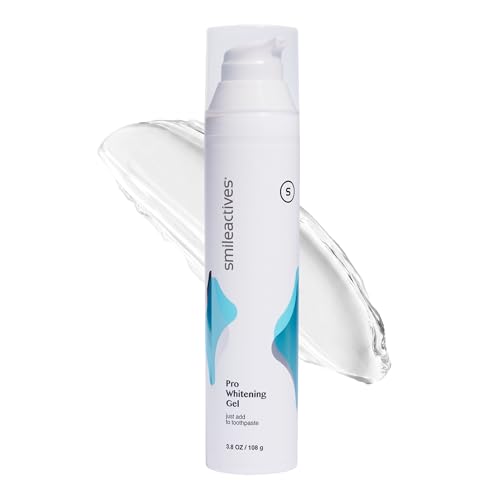
Smileactives Whitening Gel, 3.8 oz provides the larger package while keeping the same basic gel-and-toothpaste approach as the 2-ounce option. Smileactives says the peroxide gel is used during regular brushing to target surface stains, including coffee stains. That makes this format a match for someone who prefers a larger supply of gel rather than a pen-based application. Its larger size is the distinguishing factor; it does not offer a different application method. Peroxide whitening is not a color match for dental restorations, so people with visible crowns or fillings should ask a dentist about expectations.
Bottom line: Pick this if a 3.8-ounce gel package suits your routine.
Smileactives Gel and Pen Kit

Smileactives Gel and Pen Kit differs from the standalone gels by pairing whitening gel with a pen in a 30-day kit. Smileactives describes the gel as an add-in for toothpaste, while the pen format offers a separate way to apply whitening product. The package contains two 0.5-fluid-ounce units, so this is better suited to someone who wants both formats than to a buyer seeking only a single larger gel tube. The maker does not clarify which unit has which volume; confirm the individual package contents if that distinction matters to your routine.
Bottom line: Choose this if you want both gel and pen formats.
Smileactives Whitening Pen, Vanilla Mint

Smileactives Whitening Pen, Vanilla Mint is a pen rather than a toothpaste-additive gel, making its brush-tip application the key difference from the standalone gel options. Smileactives says the tip supports targeted application to hard-to-reach areas or broader coverage, and the compact 0.11-fluid-ounce size is intended for portability. This format may suit someone who wants to apply product directly instead of mixing gel with toothpaste. The limitation is its smaller, targeted format: it is not the same routine as adding gel during brushing, and careful placement matters to avoid getting whitening gel on the gums.
Bottom line: Pick this if direct brush-tip application is your priority.
How peroxide whitening gel works
Peroxide whitening gels work by oxidizing colored compounds in teeth, which can lighten some stains. Surface stains from coffee, tea, or tobacco may respond differently from discoloration within the tooth, and results depend on the stain and the product’s peroxide concentration. These specifications do not give a concentration, so do not infer strength from package size or format. Whitening gel does not change the shade of crowns, veneers, fillings, or bonding; those restorations may look different beside whitened natural teeth. If you have visible dental work or a single dark tooth, ask a dentist whether whitening is appropriate before starting.
Choose a gel size or application format
Choose based on how you want to apply whitening product: add-in gel during brushing, or a pen for direct application. The 2-ounce and 3.8-ounce gels share the same method, so package size—not a distinct whitening mechanism—is their clear difference. The kit includes gel and a pen, while the standalone pen uses a brush tip. A useful decision rule is to pick standalone gel if you specifically want to add it to toothpaste; pick the pen only if you want direct application. The table summarizes the formats and is not a ranking of whitening strength.
| Format | Use style | Package amount |
|---|---|---|
| Standalone gel | Add to toothpaste | 2 oz or 3.8 oz |
| Kit | Gel and pen formats | Two 0.5 fl oz units |
| Pen | Brush-tip application | 0.11 fl oz |
What to expect from tooth stains
Whitening is most predictable on natural teeth with extrinsic stains, meaning color deposited on or near the tooth surface. Intrinsic discoloration, such as changes from aging, injury, or some medications, can be harder to lighten and may need a dentist’s assessment. No peroxide gel can whiten dental restorations, so existing crowns or fillings can create a shade mismatch after natural teeth change color. Sensitivity and gum irritation are possible with peroxide whitening; stop use and seek dental advice if symptoms are persistent or severe. Follow the package directions and avoid leaving whitening products on teeth longer than directed.
Use whitening products with care
Whitening gel is not a substitute for brushing with fluoride toothpaste and cleaning between teeth. Keep gel on tooth surfaces rather than gums, because peroxide contact can irritate soft tissue; a pen’s brush tip makes careful placement especially relevant. Do not combine multiple peroxide products at once unless a dental professional advises it, since layering products can increase irritation without guaranteeing a better result. Pregnant people, children, and anyone with untreated cavities or gum disease should consult a dentist before whitening. If tooth sensitivity develops, pause whitening and get dental guidance rather than increasing the amount or frequency.
Frequently Asked Questions
Does peroxide gel whiten crowns or fillings?
No, peroxide whitening changes natural tooth color but does not lighten crowns, fillings, veneers, or bonding. Ask a dentist about shade matching if restorations are visible.
Can whitening gel cause tooth sensitivity?
Yes, peroxide whitening can cause temporary sensitivity or gum irritation. Stop using it if discomfort is severe or persists, and ask a dentist before resuming.
Do coffee stains respond to whitening gel?
Some surface stains from coffee may lighten with peroxide whitening, but results depend on stain type and product strength. Deeper discoloration may respond less predictably.
Can whitening gel be used with any toothpaste?
The standalone Smileactives gels are described as add-ins for toothpaste, but compatibility with a specific toothpaste is not established here. Follow the package directions and ask a dentist if the combination irritates your mouth.