
Moroccan Clay Pot Lipstick: 3 Aker Fassi Options Compared

For a single red Moroccan clay pot lipstick, Aker Fassi Moroccan Clay Pot Lip Stain is the closest match because it is a one-count pot described for both lips and cheeks. Choose FERIHA Aker Fassi Clay Pot Lip Stain for its brick-red tint or Arganier Noir Aker Fassi Two-Pot Set if you want two shades; Aker Fassi is a traditional water-activated stain rather than a conventional lipstick bullet.
We earn a commission if you buy through links on this page. As an Amazon Associate I earn from qualifying purchases. Products are compared on manufacturer specifications, not hands-on testing.
- Best overall: Aker Fassi Moroccan Clay Pot Lip Stain – A one-count red pot is described for use on both lips and cheeks.
- Best for brick-red color: FERIHA Aker Fassi Clay Pot Lip Stain – The maker describes its tint as brick-red and buildable.
- Best for two shades: Arganier Noir Aker Fassi Two-Pot Set – The set contains red and brick-color pots.
| Product | Best for | Format | Color | Lip and cheek use | Shop |
|---|---|---|---|---|---|
| Aker Fassi Moroccan Clay Pot Lip Stain | Single red pot | 1 pot | Red | Both | Check Price on Amazon |
| FERIHA Aker Fassi Clay Pot Lip Stain | Brick-red tint | 1 pot | Brick-red | Both | Check Price on Amazon |
| Arganier Noir Aker Fassi Two-Pot Set | Two-shade set | 2 pots | Red and brick | — | Check Price on Amazon |
Moroccan Clay Pot Lipstick Options
Compare the pot format, shades and intended use before choosing an Aker Fassi stain.
Aker Fassi Moroccan Clay Pot Lip Stain
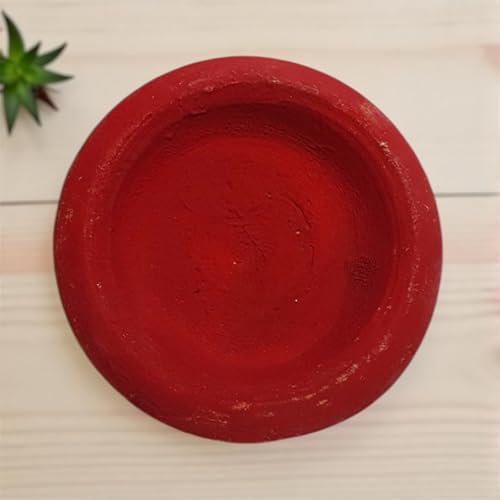
Aker Fassi Moroccan Clay Pot Lip Stain is the single-pot red option, with the maker describing it as a natural-looking stain for lips and cheeks. The directions say to wet a brush or finger, rub it lightly over the terracotta, then apply the color. That water-activated approach suits someone looking for a tint rather than a lipstick bullet. Its size is one count, so it is less suited to someone who wants multiple shades in one purchase. The maker also claims the color is long-lasting; wear time can vary with application and routine.
Bottom line: Choose this if you want one red pot for lips and cheeks.
FERIHA Aker Fassi Clay Pot Lip Stain

FERIHA Aker Fassi Clay Pot Lip Stain stands out for its brick-red color description and buildable tint. The maker says it is made with sun-dried poppy petals, pomegranate rind and natural clay minerals, and positions it for both lips and cheeks. It suits someone who prefers a warmer red and wants to adjust the intensity in layers. The size is given as 2.88 ounces, but the fields do not clarify whether that is net product weight or package size; confirm the amount before ordering if quantity matters. The maker describes the color as long-lasting.
Bottom line: Pick this if a buildable brick-red shade is your priority.
Arganier Noir Aker Fassi Two-Pot Set
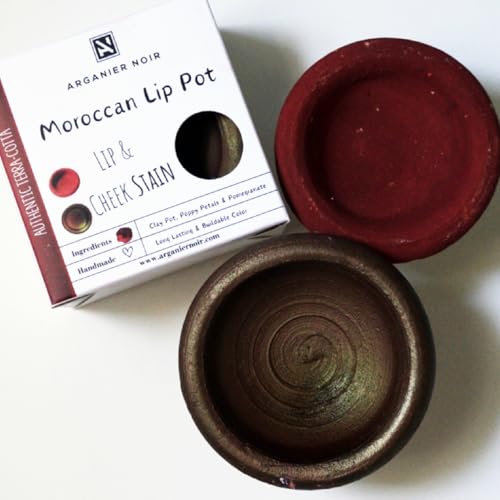
Arganier Noir Aker Fassi Two-Pot Set is the only option here that comes as a pair, with one red and one brick-color pot. Its features identify the pots as terracotta with a clay base, poppy petals and pomegranate, and describe the color as buildable. That combination suits someone who wants two shades rather than a single-color pot. Confirm the intended application before choosing it for cheek color.
Bottom line: Choose the set if having red and brick shades matters most.
How to choose a Moroccan clay pot lipstick
Choose by shade, intended application and pot count before weighing claims about wear. Aker Fassi Moroccan Clay Pot Lip Stain is a single red pot for lips and cheeks, FERIHA Aker Fassi Clay Pot Lip Stain is presented as a buildable brick-red tint, and Arganier Noir Aker Fassi Two-Pot Set gives two colors. Aker Fassi stains are typically activated with a little water: use a damp brush or fingertip to pick up color, then apply in thin layers. A useful decision rule is to pick a single-pot option if you only want one shade; choose the two-pot set when having both red and brick is worth more than confirmed cheek use. A clay pot describes the container and format, not by itself the product’s ingredients or suitability for every skin type.
How to apply a water-activated lip stain
Use a barely damp applicator and build color gradually; adding more water can make the pickup less concentrated. For a new cosmetic, test a small amount on a discreet patch of skin first and wait 24 hours for irritation before broader use. Keep the pot and applicator clean, avoid sharing them, and do not apply color to cracked or irritated skin. For cheek application, use a clean brush rather than a finger that has just touched the lips. A stain is different from opaque lipstick: it gives a tint rather than a solid layer of coverage, so a single pass may look lighter than repeated layers. Remove it gently if irritation develops.
What Aker Fassi shades and formats mean
Aker Fassi is commonly presented as a traditional Moroccan stain made with plant-derived color sources and a clay base; formulas and shade descriptions can differ. A brick-red shade generally reads warmer and earthier than a vivid red, while a buildable stain lets you increase intensity by applying additional thin layers. The three choices here split cleanly by format: one red pot, a brick-red single pot, and a red-and-brick pair. Treat color names as a starting point rather than a guarantee of the same result on every person, since natural lip color and the amount applied affect how a tint appears. For a cheek product, verify the intended use when it is not explicit.
Frequently Asked Questions
How do you activate a Moroccan clay lip pot?
Use a damp, clean brush or fingertip to lift a small amount from the surface, then apply in thin layers. Aker Fassi Moroccan Clay Pot Lip Stain’s directions specifically call for wetting the applicator and rubbing it lightly over the terracotta.
Can Aker Fassi stain be used on cheeks?
Some Aker Fassi pots are presented for both lips and cheeks, including Aker Fassi Moroccan Clay Pot Lip Stain and FERIHA Aker Fassi Clay Pot Lip Stain. When cheek use is not explicit, as with Arganier Noir Aker Fassi Two-Pot Set, confirm that intended use before applying it to your face.
How can I make a lip stain look less intense?
Start with a single thin layer and add more only if needed; a stain’s color builds with repeated application. A damp applicator also helps pick up less product than a dry one.
Should I patch test a new lip and cheek stain?
Yes, test a small amount on a discreet patch of skin and wait 24 hours before broader use. Avoid applying it to cracked or irritated skin, and stop if irritation occurs.