
Paste Wax for Metal: 3 Shop Waxes Compared

For general shop use, Shop Wax, 8 oz is the clearest fit because its wax is explicitly intended for metal, tools, and moisture protection. Choose All Natura Paste Wax, 8 oz if its natural ingredients matter more, or All-Purpose Shop Wax Starter Kit, 8 oz if you want a starter kit; none of these waxes should go on surfaces where added slickness or reduced grip would be hazardous.
We earn a commission if you buy through links on this page. As an Amazon Associate I earn from qualifying purchases. Products are compared on manufacturer specifications, not hands-on testing.
- Best overall: Shop Wax, 8 oz – Its use directly covers metal, steel, hand tools, clamps, and workshop equipment.
- Best for natural ingredients: All Natura Paste Wax, 8 oz – The formula names beeswax, carnauba wax, vitamin E, lemon oil, and mineral oil.
- Best for a starter kit: All-Purpose Shop Wax Starter Kit, 8 oz – The product is identified as an 8-ounce starter kit for shop and multi-surface use.
| Product | Best for | Amount | Metal use | Other stated uses | Shop |
|---|---|---|---|---|---|
| Shop Wax, 8 oz | General shop use | 8 oz | Metal, steel, tools | Wood, epoxy, plastic, cast iron | Check Price on Amazon |
| All Natura Paste Wax, 8 oz | Named ingredients | 8 oz | Metal, tools, steel | Wood, epoxy, plastic, leather | Check Price on Amazon |
| All-Purpose Shop Wax Starter Kit, 8 oz | Starter kit format | 8 oz starter kit | Metal, steel, tools | Wood, epoxy, plastic, cast iron | Check Price on Amazon |
Paste Wax for Metal
Compare the shop-oriented waxes by their metal use, formula, and intended surfaces.
Shop Wax, 8 oz
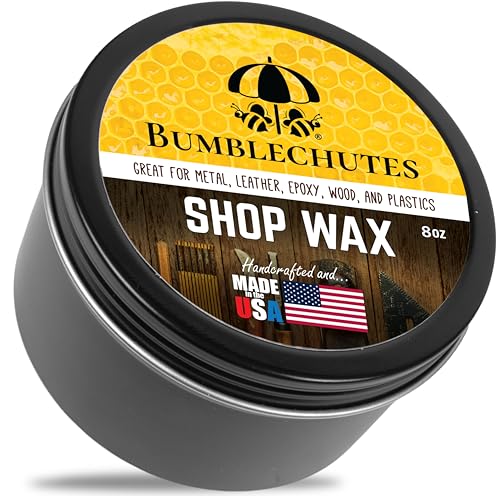
Shop Wax, 8 oz is the most direct match for shop metal because its uses include steel, hand tools, clamps, hardware, and table saws. The 8-ounce tin contains a wax intended for multiple materials, including epoxy, wood, plastic, and cast iron, and the maker says it can reduce friction on moving shop parts. Apply by wiping on, letting it cure, and buffing. Its broad surface range may suit a mixed-material workspace, but it is not a dedicated metal-only treatment; choose another product if you need a wax explicitly intended for food-contact surfaces.
Bottom line: Choose this for a general shop wax intended for metal tools and mixed surfaces.
All Natura Paste Wax, 8 oz

All Natura Paste Wax, 8 oz stands apart by naming beeswax, organic carnauba wax, vitamin E, lemon oil, and mineral oil in its formula. Its metal applications include tool surfaces, metal tabletops, steel, clamps, hardware, and table saws; the maker also describes moisture resistance and friction reduction. The 8-ounce wax is presented for several other materials, including epoxy, plastic, leather, and furniture. The formula’s named ingredients are useful if that is a buying priority, but the uses do not establish suitability for every metal finish or coating, so test an inconspicuous area first when finish compatibility is uncertain.
Bottom line: Choose this if a named natural-wax formula and varied surface use are priorities.
All-Purpose Shop Wax Starter Kit, 8 oz

All-Purpose Shop Wax Starter Kit, 8 oz is the shop wax option identified as a starter kit, while its uses resemble a general-purpose workshop finish: metal, steel, hand tools, clamps, hardware, table saws, wood, epoxy, plastic, and cast iron. The maker describes a beeswax-and-carnauba formula and recommends wiping on, curing, and buffing. Its multi-surface focus is useful when one wax is intended for several shop materials. The kit label alone does not establish what accessories are included, so check the package contents if you specifically need an applicator or other add-on before choosing this format.
Bottom line: Choose this when you want the starter kit format for broad shop use.
How to apply paste wax to metal
Apply a thin, even coat to a clean, dry surface, allow it to haze or cure as directed for the specific wax, then buff with a clean cloth. Thin coats are easier to spread and buff than a heavy layer, which can leave residue. Remove loose dust and grime first; wax over debris can trap it against the finish. Work a small section at a time so the coating does not dry unevenly before buffing. Their process is wipe on, cure, and buff, so use the product’s own curing guidance.
Where metal paste wax fits in rust protection
Paste wax forms a surface barrier rather than replacing rust removal or sound storage practices. Shop waxes in this comparison are described for tools and metal surfaces, but moisture protection works best alongside dry storage and prompt cleanup after damp work. Keep steel tools dry before waxing; coating over active rust or moisture does not make the underlying condition disappear. Wax can also make a surface slick, which may help a sliding tool table but is inappropriate on handles, steps, pedals, or other areas where grip matters. Avoid applying wax to brakes, electrical contacts, or food-preparation surfaces unless the product specifically identifies that use. For a table saw, apply only to the table surface and buff away residue before using the machine.
Choose a shop wax by surface and purpose
Pick a wax by matching its surfaces to the metal and surrounding materials you plan to treat. Multi-surface products can suit a shop with cast iron tables and wood jigs, while a formula with named ingredients may matter to buyers prioritizing ingredient transparency. A kit format is a separate convenience consideration, not proof of different protective performance.
| Need | Relevant distinction |
|---|---|
| Metal tools and shop equipment | Look for explicit mention of steel, tools, clamps, hardware, or saw tables. |
| Mixed-material shop | Check whether wood, epoxy, plastic, or cast iron are among stated uses. |
| Food-contact surface | Choose a product whose purpose includes food-contact use; shop wax is not a substitute. |
| Slippery surface concerns | Do not wax a surface where traction or grip is necessary. |
Common mistakes with paste wax on metal
The most common mistake is treating all wax as interchangeable across surfaces. A shop wax described for metal tools does not automatically suit cutting boards, coated finishes, or every alloy. Another error is leaving excess wax behind: a slick film can interfere with grip or collect dust, so buff until the surface has an even finish. Do not use wax to conceal pitting or active corrosion; remove rust with an appropriate method before applying a protective finish. Keep wax away from machine areas where lubricant is required by the equipment maker, because a wax coating is not a substitute for a specified lubricant. If a valuable or coated surface may react differently, test a hidden spot first.
Frequently Asked Questions
How often should I rewax metal tools?
Reapply when cleaning removes the coating or the surface no longer sheds moisture as intended. There is no single interval for every tool because handling, humidity, and cleaning frequency change how quickly a wax film wears.
Can paste wax stop rust on steel tools?
A wax barrier can help limit moisture contact, but it does not remove existing rust or replace dry storage. Clean and dry steel before coating, and reapply after the surface is stripped or repeatedly handled.
Should I use paste wax on a saw table?
Shop waxes may be intended for table saw surfaces, but buff the table thoroughly before operation so no excess film remains. Keep wax off areas where grip, braking, or electrical contact is required.
Can one paste wax work on metal and wood?
Some shop waxes are expressly intended for both metal and wood, including the products described for tools and jigs here. Check that both materials are named for the specific product, and avoid using it on food-contact surfaces unless that use is stated.
Does paste wax need to be buffed off metal?
Yes, the products’ stated application method includes buffing after the wax has cured. A thin coat is easier to buff evenly and leaves less residue than applying a thick layer.