
Remi Night Guard: Custom Fit Options Compared

Remi Custom Night Guard Kit is the closest match for someone seeking a Remi night guard because its at-home impression kit is made to produce two custom-fit guards. Choose another option if you want to mold a guard yourself at home or want a guard fabricated from an impression by a dental lab.
Night guards are mouth appliances worn over teeth during sleep; fit method and where the guard sits are key differences among these choices.
We earn a commission if you buy through links on this page. As an Amazon Associate I earn from qualifying purchases. Products are compared on manufacturer specifications, not hands-on testing.
- Best overall: Remi Custom Night Guard Kit – The at-home impression kit produces two custom-fit guards and includes a case.
- Best for quick molding: The Doctor’s NightGuard – Its moldable guard is prepared at home in less than 10 minutes, according to the maker.
- Best for lab fabrication: enCore Custom Mouth Guard – The maker fabricates a single guard from an upper or lower impression you take at home.
| Product | Best for | Fit method | Guards included | Case included | Shop |
|---|---|---|---|---|---|
| Remi Custom Night Guard Kit | Custom-fit pair | At-home impression, mail-in | 2 | Yes | Check Price on Amazon |
| The Doctor’s NightGuard | Quick home molding | Moldable, at-home fit | 1 | Yes | Check Price on Amazon |
| enCore Custom Mouth Guard | Lab-made single | At-home impression, lab fabricated | 1 | — | Check Price on Amazon |
| SMARTGUARD Elite | Front-tooth design | Easy molding, front-tooth design | 2 | Yes | Check Price on Amazon |
Remi Night Guard and Alternatives
Compare how each guard is fitted and what comes in the package before choosing a style.
Remi Custom Night Guard Kit

Remi Custom Night Guard Kit differs from guards molded directly at home: you take an impression at home and mail it in to create two custom-fit guards. The kit includes a case, and the maker offers a video call to help redo an impression if the first attempt is not right. That makes it a fit for buyers who want a pair made from their own impression. The tradeoff is an extra mail-in step, so it is less direct than molding a guard yourself.
Bottom line: Choose this if you want two guards made from an at-home impression.
The Doctor’s NightGuard
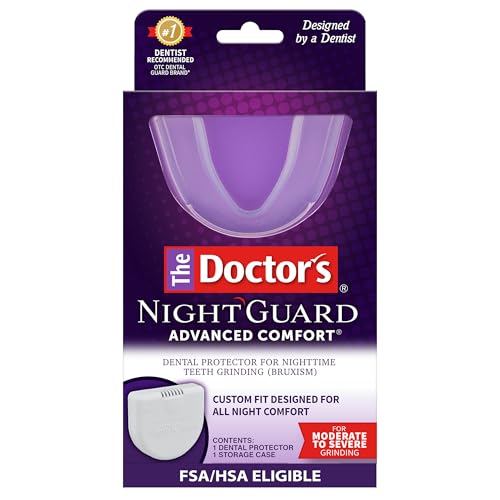
The Doctor’s NightGuard is a moldable guard rather than a mail-in impression kit, and its maker says preparation takes less than 10 minutes. It has a two-layer design, with a soft upper layer and a firm lower layer, plus a slanted front intended to keep material away from lips and gums. The slim, flexible construction may suit someone prioritizing a less bulky home-molded option. It includes one guard and a storage case, not a custom pair. Because fit depends on molding, it is a different choice from a guard fabricated from an impression.
Bottom line: Choose this if you prefer a moldable guard prepared at home.
enCore Custom Mouth Guard

enCore Custom Mouth Guard uses an at-home impression, but the guard itself is fabricated by technicians after you send the impression to the dental lab. You choose whether it is made for upper or lower teeth, and the maker offers four guard types: hard, soft, hybrid, and daytime hard. This range is useful if you want to select a style and specify which arch it covers. The package is for one guard, unlike the two-guard Remi kit. The specifications do not identify a case, so confirm whether one is included if you need storage.
Bottom line: Choose this if you want a lab-fabricated guard for a selected arch.
SMARTGUARD Elite

SMARTGUARD Elite stands apart with a front-tooth design; its maker says the design prevents back teeth from making contact. The set includes two guards and a travel case, and the maker says the guard adapts to different arch shapes and sizes. This may suit someone looking for a guard with that specific contact pattern rather than a full-arch custom impression process. The design is distinct from the Remi and enCore impression kits. A front-tooth appliance is not a universal substitute for a dentist-recommended guard, especially if it feels loose or changes your bite.
Bottom line: Choose this if its front-tooth design matches your dental guidance.
How to choose a night guard fit method
Choose an impression-based guard when you want fabrication tailored to an impression; choose a mold-at-home guard when you want to shape the appliance yourself. Impression kits add steps: you form the impression, then send it for fabrication, while a moldable guard is fitted at home. Front-tooth guards use a different contact pattern from guards that cover a broader area, so the design matters as much as the word “custom.” A practical decision rule is to choose the process you can complete accurately: if you are unsure you can make a clean impression, favor an option with help for redoing it or consult a dentist. Ask a dental professional before using a guard if you have dental work or a jaw condition.
Night guard types and what they change
Night guards differ by coverage, material firmness, and how they are made. Soft guards cushion, while harder designs resist compression; hybrid constructions combine layers, as in the two-layer moldable option here. Coverage also matters: a front-tooth appliance is not the same as a guard covering a larger portion of an arch. Use this table to compare the core tradeoff, not to assume that one type suits every bite.
| Type | Fit process | Decision point |
|---|---|---|
| Moldable guard | Shape at home | Convenience versus precise impression fabrication |
| Mail-in impression kit | Impression at home, fabrication afterward | Comfort with taking and sending an impression |
| Front-tooth guard | Design-specific fit | Confirm this contact pattern is appropriate |
Material thickness and arch coverage can affect comfort and speech. A guard that feels unstable, causes new tooth or jaw pain, or changes your bite should not simply be worn through the discomfort.
Taking an at-home dental impression
A usable impression needs to capture the teeth and their contours without major voids or distortion. Follow the kit’s timing and positioning steps; rushing or moving during setting can produce an impression that cannot be used accurately. Mail-in kits and guards molded in the mouth are different workflows, so do not assume instructions for one fit the other. If an impression looks incomplete, contact the maker before sending it rather than guessing whether it is acceptable. A dental professional can also help assess whether an impression-style guard is suitable for your teeth, especially when you have crowns, braces, loose teeth, or recent dental work.
Cleaning and checking a night guard
Rinse a night guard after use and clean it with a soft brush and cool or lukewarm water; hot water can deform some thermoplastic guards. Let the appliance dry before storing it in its case, and keep the case clean and ventilated to limit trapped moisture. Check the guard regularly for cracks, sharp edges, thinning, or a change in fit; grinding can wear an appliance down. Replace a damaged or loose guard rather than continuing to use it, and ask a dentist to assess persistent jaw pain or a new bite change. Specific cleaning products and replacement intervals depend on the material, so use only care steps compatible with the guard.
Frequently Asked Questions
How long does a night guard usually last?
Night guard life depends on material, thickness, fit, and how heavily you grind; there is no single reliable lifespan for every guard. Inspect it regularly and stop using one that cracks, thins, or no longer fits securely.
Can I wear a night guard with braces?
A standard night guard may not fit safely over braces because tooth movement changes the shape it must cover. Ask your orthodontist before using one, particularly during active treatment.
Should a night guard cover the upper or lower teeth?
Either arch can be used depending on the appliance and your bite, but the choice should be guided by fit and dental advice. For a lab-made guard that lets you select an arch, decide upper or lower before submitting the impression.
How should I clean a night guard each morning?
Rinse and brush a night guard with cool or lukewarm water, then let it dry before storing it in a clean case. Avoid hot water because heat can warp some guard materials.
What should I do if my night guard feels loose?
Stop wearing a loose night guard because it can shift during sleep and may not protect teeth as intended. Have a dentist assess the fit, especially if you also notice pain or a changed bite.