
Tea Tree Oil Foot Spray: 3 Options Compared

For most people seeking tea tree oil foot spray, Earth Therapeutics Tea Tree Oil Foot Spray is the clearest choice because its 4-ounce non-aerosol bottle combines tea tree oil with wild mint and aloe vera. Choose a smaller paired bottle if portability matters more, or an aloe formula if you prefer to avoid mint.
We earn a commission if you buy through links on this page. As an Amazon Associate I earn from qualifying purchases. Products are compared on manufacturer specifications, not hands-on testing.
- Best overall: Earth Therapeutics Tea Tree Oil Foot Spray – The 4-ounce non-aerosol spray combines tea tree oil, wild mint, and aloe vera.
- Best for aloe: Tea Tree Oil Foot Spray with Aloe, 4 fl oz – A 4-ounce formula pairs tea tree oil with aloe vera and is described as quick-drying.
- Best for travel: Tea Tree Oil Foot Spray, 2 x 1 fl oz – Two 1-ounce bottles are compact and intended for feet, socks, and shoes.
| Product | Best for | Bottle size | Added ingredients | Application | Shop |
|---|---|---|---|---|---|
| Earth Therapeutics Tea Tree Oil Foot Spray | Everyday freshness | 4 fl oz | Wild mint, aloe vera | Feet, between toes, shoes | Check Price on Amazon |
| Tea Tree Oil Foot Spray with Aloe, 4 fl oz | Aloe formula | 4 fl oz | Aloe vera | Feet, shoes | Check Price on Amazon |
| Tea Tree Oil Foot Spray, 2 x 1 fl oz | Travel pair | 1 fl oz × 2 | Tea tree oil | Feet, socks, shoes | Check Price on Amazon |
Tea Tree Oil Foot Sprays Compared
Compare bottle sizes, formulas, and intended application areas to find a spray that fits your routine.
Earth Therapeutics Tea Tree Oil Foot Spray
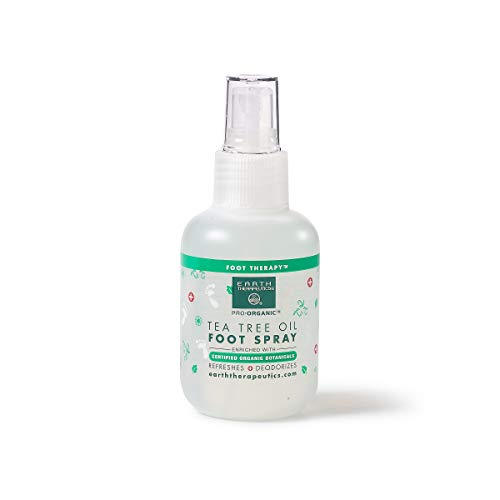
Earth Therapeutics Tea Tree Oil Foot Spray stands apart with wild mint and aloe vera alongside tea tree oil in a 4-ounce non-aerosol bottle. The maker says it combats foot odor and refreshes on contact; the directional sprayer can reach between toes and inside shoes. Its larger single bottle suits a home or gym bag routine better than the paired mini bottles in this group. The formula also includes peppermint oil, so it may not suit someone who wants an unscented spray or prefers to avoid mint ingredients.
Bottom line: Choose this if you want one larger bottle with mint and aloe in the formula.
Tea Tree Oil Foot Spray with Aloe, 4 fl oz

Tea Tree Oil Foot Spray with Aloe, 4 fl oz is the other 4-ounce option, pairing tea tree oil with aloe vera without the mint ingredients named for Earth Therapeutics Tea Tree Oil Foot Spray. It is intended for feet or shoes, and its maker says it dries quickly without sticky residue. That combination may suit someone who wants a full-size bottle and a simpler listed ingredient pairing. The formula’s claims about repairing damaged skin should not be taken as a medical benefit; choose this for its ingredients and spray format, not to treat a foot condition.
Bottom line: Pick this if you want a 4-ounce tea tree and aloe spray without listed mint.
Tea Tree Oil Foot Spray, 2 x 1 fl oz
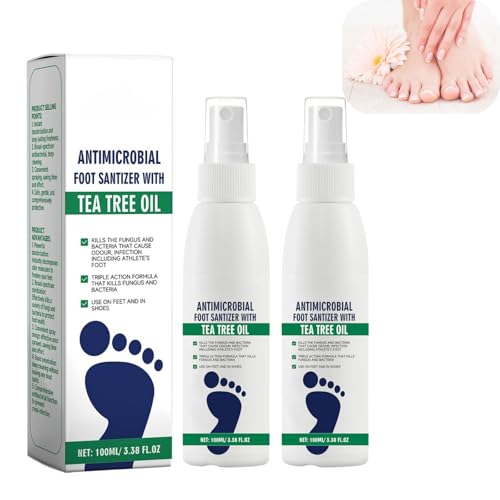
Tea Tree Oil Foot Spray, 2 x 1 fl oz supplies two 1-ounce bottles, making it the most compact paired format among these sprays. The maker describes use on feet, socks, and shoes, with a fast-drying formula intended to keep feet dry. That broad application is useful when a routine includes footwear as well as skin. The formula’s additional ingredients are not identified here, so buyers who need to avoid a particular ingredient should verify the full ingredient label before ordering; the small bottles also mean less spray per container than either 4-ounce choice.
Bottom line: Choose the twin 1-ounce bottles if packable size matters more than bottle volume.
How to choose a tea tree oil foot spray
Start with where the spray will be used: feet only, between toes, socks, or inside shoes. Formulas here range from a non-aerosol sprayer with a directional application claim to sprays described for feet and footwear; a claim about use on shoes does not establish compatibility with every shoe material. Compare the named added ingredients as well as tea tree oil: mint and aloe appear in some formulas, while others identify only tea tree oil. If you are sensitive to fragrance or botanicals, check the full ingredient label before applying. A foot spray is a freshness product, not a substitute for care from a clinician for persistent irritation or odor.
What bottle size fits your routine
Choose by how often you expect to reach for the bottle and how much space you have to carry it. The paired travel formats contain either 0.1 or 1 fluid ounce per bottle, while the larger options contain 4 fluid ounces each. A practical rule: for a bag or pocket, start with the 1-ounce pair; choose a 4-ounce bottle for a regular home or gym routine. The 0.1-ounce pair is notably smaller, but provides less spray in each container. Pack sizes and per-bottle volume matter more than a broad claim of portability, so compare the actual fluid-ounce amount rather than the word travel.
| Need | Format to consider | Trade-off |
|---|---|---|
| Small carry size | Two 1-ounce bottles | Less volume per bottle than 4-ounce formats |
| Very compact carry | Two 0.1-ounce bottles | Smallest amount per container |
| Home or gym routine | One 4-ounce bottle | Larger to carry |
Using foot spray safely
Apply a foot spray only as its label directs, and avoid spraying near the eyes or inhaling mist; essential oils can irritate sensitive skin. Try a small area first if you have reactive skin, and stop use if burning, redness, or itching develops. Spraying inside shoes can leave moisture behind, so let footwear dry fully before wearing it; damp, enclosed shoes can encourage odor and discomfort. Do not apply a freshness spray to broken skin or use it in place of medical advice for a rash, cracked skin, or ongoing symptoms. Keep bottles away from children, and check the package for any specific warnings.
Tea tree oil spray versus foot powder
Sprays are convenient when you want to target feet, between toes, or shoe interiors, while powders are generally used to absorb moisture inside socks or footwear. Neither format should be treated as a cure for fungal infection. For sweaty feet, changing socks during the day and drying carefully between toes can help limit trapped moisture; breathable footwear and rotating shoes also allow pairs time to dry. Pick a spray when application control and quick use matter, and consider a powder when moisture absorption is the primary goal. If odor persists despite dry footwear and clean socks, a clinician can assess whether another cause needs attention.
Frequently Asked Questions
Can I spray tea tree foot spray inside shoes?
Some formulas in this group are intended for shoe interiors, but check the package before using a spray on a particular shoe material. Let shoes dry completely before wearing them.
How often should I use foot spray?
For sweaty feet, changing socks during the day and drying between toes are useful complementary steps.
Can tea tree foot spray treat athlete’s foot?
Do not rely on a freshness spray to treat athlete’s foot. Persistent itching, scaling, or cracking warrants advice from a clinician or pharmacist; keep feet dry and avoid sharing towels.
Should I test foot spray before using it regularly?
Yes, try a small area first, especially if your skin is sensitive or the formula contains mint or other botanicals. Stop if irritation develops and follow the label’s warnings.