
Three Crabs Fish Sauce: 5 Bottles Compared

Three Crabs Brand Fish Sauce is the direct match, with a 24-fluid-ounce bottle as its defining specification. Choose a different fish sauce if you want a smaller bottle or a product whose ingredient and fermentation claims are spelled out.
Fish sauce is a salty, fermented seasoning commonly used to add savory depth to Southeast Asian dishes; measure it carefully because sodium can add up quickly.
We earn a commission if you buy through links on this page. As an Amazon Associate I earn from qualifying purchases. Products are compared on manufacturer specifications, not hands-on testing.
- Best overall: Three Crabs Fish Sauce, 24 oz – The direct match comes in a 24-fluid-ounce bottle.
- Best for two ingredients: Red Boat Fish Sauce, 40°N, 17 oz – The maker says it is made with sea salt and black anchovies.
- Best for a small bottle: Thai Kitchen Premium Fish Sauce, 6.76 oz – The 6.76-fluid-ounce size is the smallest option here.
| Product | Best for | Bottle size | Ingredient claim | Fermentation claim | Shop |
|---|---|---|---|---|---|
| Three Crabs Fish Sauce, 24 oz | Direct match | 24 fl oz | — | — | Check Price on Amazon |
| Red Boat Fish Sauce, 40°N, 17 oz | Two ingredients | 17 fl oz | Sea salt, black anchovies | One year | Check Price on Amazon |
| Thai Kitchen Premium Fish Sauce, 6.76 oz | Small bottle | 6.76 fl oz | Sea salt; salted anchovies | — | Check Price on Amazon |
| Red Boat Phamily Reserve, 50°N | Higher protein claim | 8.45 fl oz | Sea salt, black anchovies | One year | Check Price on Amazon |
| Thai Fish Sauce, 24 oz | Large bottle | 24 fl oz | — | — | Check Price on Amazon |
Three Crabs Fish Sauce and Alternatives
Compare the bottle sizes and the ingredient or fermentation claims that distinguish these fish sauces.
Three Crabs Fish Sauce, 24 oz

For shoppers seeking Three Crabs fish sauce, this 24-fluid-ounce bottle is the direct match in this group. Its size makes it a larger-format choice than the 17-fluid-ounce, 8.45-fluid-ounce, and 6.76-fluid-ounce alternatives. Fish sauce is a concentrated salty seasoning, so a large bottle makes most sense when you cook with it regularly or share it across a household.
Bottom line: Choose this if you want Three Crabs in a 24-fluid-ounce bottle.
Red Boat Fish Sauce, 40°N, 17 oz

Unlike the direct match, this 17-fluid-ounce Red Boat option comes with specific maker claims about ingredients and fermentation. The maker says it uses sea salt and black anchovies from Vietnam’s Phú Quốc archipelago, and that the sauce ferments for a year in wooden barrels. The maker also identifies it as first press and 40°N. These claims may help shoppers comparing ingredient simplicity or fermentation methods, but the bottle is 7 fluid ounces smaller than the direct match. Consider it if those stated process details matter more than matching Three Crabs.
Bottom line: Pick this if two ingredients and a year-long fermentation are priorities.
Thai Kitchen Premium Fish Sauce, 6.76 oz
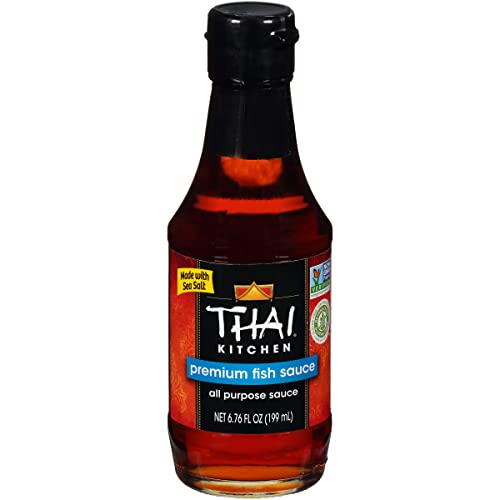
The 6.76-fluid-ounce Thai Kitchen bottle is the smallest option in this group, which can suit a cook who wants a modest quantity for occasional seasoning. Its maker says the sauce is crafted from pressed salted anchovies and made with sea salt, and calls it gluten free. The maker suggests using it as a seasoning or in place of soy sauce or salt. Because fish sauce brings its own saltiness, start with less than the amount of salt or soy sauce a recipe calls for, then adjust to taste. The tradeoff is less volume than the other bottles.
Bottom line: Choose this for a compact bottle and the maker’s gluten-free claim.
Red Boat Phamily Reserve, 50°N

Red Boat’s Phamily Reserve differs from the 40°N option through its 50°N designation and its smaller 8.45-fluid-ounce bottle. The maker says it uses only sea salt and black anchovies, with no water dilution, and ferments the sauce for a year in wooden barrels in Vietnam. The maker characterizes it as its highest-protein fish sauce. This choice is for buyers specifically drawn to those maker-stated attributes, not for someone prioritizing the Three Crabs name or a large bottle. Confirm the product’s ingredient label if a particular ingredient restriction matters.
Bottom line: Pick this if you specifically want the maker’s 50°N claim.
Thai Fish Sauce, 24 oz

This unnamed Thai fish sauce provides the same 24-fluid-ounce capacity as the Three Crabs bottle, making size the clearest basis for comparing them. A large bottle is most practical for frequent cooking; occasional users may prefer a smaller container to avoid keeping more seasoning on hand than they need. Fish sauce is salty and potent, so use a small amount first and taste before adding more.
Bottom line: Choose this if a 24-fluid-ounce Thai fish sauce fits your cooking needs.
How to Choose Fish Sauce
Choose fish sauce by the role it plays in your cooking, then compare bottle size and ingredient claims. Fish sauce is made by fermenting fish with salt; anchovies are a common fish, and the resulting seasoning contributes saltiness and savory depth. A 24-fluid-ounce bottle suits frequent use better than a 6.76-fluid-ounce bottle, while a smaller bottle limits how much you keep open. If a short ingredient list matters, prioritize a label that names the ingredients rather than inferring them from a brand or style. Fish sauce is naturally salty, so use a small amount before adding other salt. If sodium intake is a concern, compare the nutrition label’s sodium per serving and account for your portion.
How to Compare Fish Sauce Claims
Ingredient and process claims matter most when they match a specific cooking preference or dietary need. Some makers describe fish sauce as fermented fish and salt, and may identify a fish species, fermentation duration, or press designation. Those are not interchangeable measures: a longer fermentation statement does not by itself tell you how salty a finished sauce tastes, and a degree-N label should be read as the maker’s product designation rather than a universal flavor scale. Compare the actual ingredient list when avoiding an ingredient, and look at sodium per serving when managing salt. For these options, the named bottle size and maker-stated ingredient or fermentation claims offer the most useful direct distinctions.
| What matters | What to compare | Decision cue |
|---|---|---|
| Quantity | Fluid ounces | Choose larger for frequent use |
| Ingredients | Ingredient list | Match any dietary restriction |
| Salt intake | Sodium per serving | Measure small portions first |
How to Use Fish Sauce Without Over-Salting
Start with less fish sauce than the recipe’s total salt allowance because fish sauce contributes both seasoning and sodium. Add it during cooking in small increments, taste, and only then add more salt or salty condiments. In a sauce or marinade, distribute it through the liquid before judging the final seasoning; a concentrated taste from the bottle is not a reliable measure of the finished dish. Fish sauce can stand in for part of the salt or soy sauce in some recipes, but its fermented fish character changes flavor, so it is not a neutral one-for-one substitute. Keep fish sauce away from children’s reach and clean spills promptly, since the salty liquid can damage some surfaces.
Frequently Asked Questions
How much fish sauce should I start with?
Start with about 1 teaspoon for a dish serving four, then taste before adding more. Fish sauce contributes substantial salt, so reduce other salt in the recipe until you know the balance.
Does fish sauce need to be refrigerated after opening?
Refrigeration after opening helps preserve quality, although the high salt content makes fish sauce relatively shelf-stable. Keep the cap tightly closed and follow the storage directions on the bottle.
Can fish sauce replace soy sauce in recipes?
Fish sauce can replace some soy sauce in recipes where a salty, savory seasoning fits, but the flavor is distinct. Start with less than the recipe’s soy sauce quantity and adjust after tasting.
Is fish sauce always made with anchovies?
No; fish sauce can be made from different fish, although anchovies are common. Check the ingredient label when the fish species matters for a dietary restriction.
How long does opened fish sauce keep?
Opened fish sauce can retain quality for many months when tightly capped and stored as directed. Heat, light, and repeated exposure to air can affect flavor, so use the bottle’s storage guidance.