
Tire Machine Duck Head: 4 Replacement Options Compared

For a broad range of machines, Wing-Style Nylon Duck Head, 5-Pack is the strongest match because it lists compatibility with Hunter TCX, Corghi and MTS models and comes in a five-piece set. Choose a different option when your changer requires a Coats-style tapered-hole head, a Snap-on/John Bean pattern, or a 30 mm steel tool.
A duck head guides a tire over a wheel rim during mounting and removal; the machine’s mounting interface determines which replacement fits.
We earn a commission if you buy through links on this page. As an Amazon Associate I earn from qualifying purchases. Products are compared on manufacturer specifications, not hands-on testing.
- Best overall: Wing-Style Nylon Duck Head, 5-Pack – Its compatibility list spans specified Hunter TCX, Corghi and MTS models, and the pack contains five heads.
- Best for Coats: Coats-Compatible Nylon Mount Head, 5-Pack – The five-piece plastic set is listed for multiple Coats models and machines with a tapered plunger-shaft hole.
| Product | Best for | Material | Pack size | Compatibility | Shop |
|---|---|---|---|---|---|
| Wing-Style Nylon Duck Head, 5-Pack | Multi-brand fit | Nylon plastic | 5 pieces | Hunter TCX, Corghi, MTS | Check Price on Amazon |
| Hunter TCX Nylon Duck Head | Hunter TCX fit | Nylon plastic | — | Hunter TCX | Check Price on Amazon |
| Coats-Compatible Nylon Mount Head, 5-Pack | Coats machines | Nylon plastic | 5 pieces | Specified Coats models | Check Price on Amazon |
| IWIWE Nylon Duck Head, 5-Pack | Snap-on pattern | Plastic | 5 pieces | Snap-on, John Bean, Hofmann, FMC | Check Price on Amazon |
Tire Machine Duck Heads Compared
Match the replacement head to the changer’s mounting pattern and the material you want at the rim contact point.
Wing-Style Nylon Duck Head, 5-Pack

This wing-style five-pack covers the widest machine range here, including specified Hunter TCX, Corghi and MTS models. The maker says its industrial nylon is shock-resistant and designed to resist cracking, chipping and deformation; the wing shape is intended to buffer the rim from metal contact. It suits shops replacing several compatible heads or keeping spares on hand. Compatibility is model-specific, so compare your changer’s exact model with the models before choosing; the broad brand names alone are not enough to confirm fit.
Bottom line: Pick this set when your exact model is among the Hunter TCX, Corghi or MTS machines.
Hunter TCX Nylon Duck Head
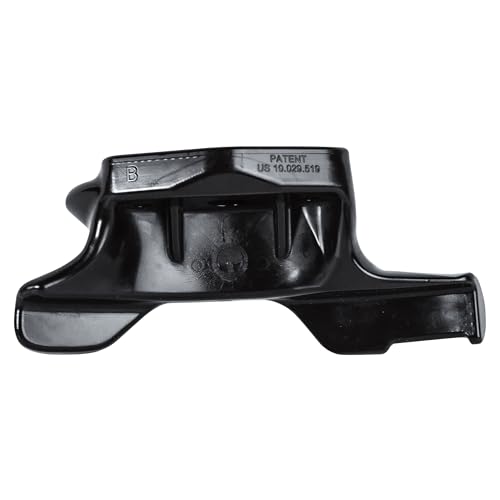
This replacement is specifically identified for Hunter TCX tire changers, making it the focused choice when that is the required machine family. Its nylon-plastic construction and mount/demount function are the key stated features. It suits a buyer who needs a single compatible replacement rather than a set for multiple brands.
Bottom line: Choose this when you need a nylon mount/demount head for a Hunter TCX changer.
Coats-Compatible Nylon Mount Head, 5-Pack
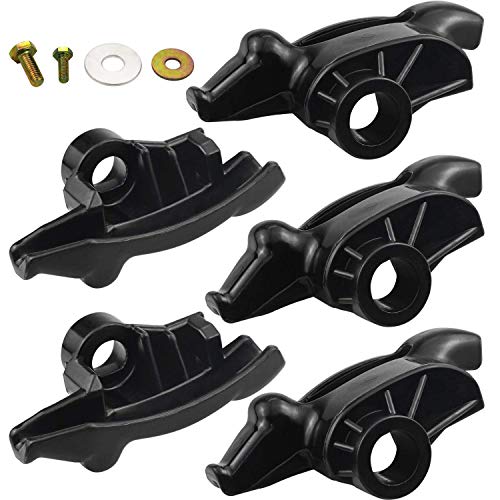
This five-pack is the Coats-pattern option, with compatibility named for a range of 5030 through 7665-series machines. Its plastic construction is offered as an alternative to a steel mount/demount head to help protect rims. The decisive fit detail is the tapered hole at the end of the plunger shaft, which this head requires. That makes it less suitable for a changer with a different attachment shape; check the shaft end as well as the machine model before selecting it.
Bottom line: Pick this pack for a Coats model with the required tapered plunger-shaft hole.
IWIWE Nylon Duck Head, 5-Pack

This five-pack targets the Snap-on/John Bean 24335 pattern and also names specified Hofmann, FMC and Accuturn applications. Its plastic construction is intended to eliminate metal contact at the wheel. The compatibility list includes several Hofmann models and John Bean 24335, so it can serve buyers maintaining those machine families. The applications are not universal across each brand: verify the exact machine model and replacement part pattern, especially when the changer is an older or less common variant.
Bottom line: Choose this set for a changer matching the 24335 pattern or another specifically named application.
How to choose a tire machine duck head
Choose by attachment pattern first, then compare material and pack size. Duck heads mount at the changer’s tool end and guide the tire bead over the rim; a head made for a different shaft or post can fail to seat correctly. Nylon or other plastic heads provide a nonmetal contact surface, while steel tools require extra attention to rim protection. A practical rule: if the machine model or attachment shape does not match the fit, do not assume that a similar-looking head will work. Check whether your machine takes a tapered shaft hole or a measured-diameter tool, and confirm the replacement pattern before fitting it.
Plastic and steel duck heads compared
Plastic heads and steel tools differ most at the wheel-contact surface and fit style. Plastic replacement heads are commonly chosen to keep a metal head from rubbing directly on the rim; steel designs can require separate rim protectors. Use this comparison to narrow the type before matching the machine.
| Type | Typical use | Fit check |
|---|---|---|
| Nylon or plastic head | Mount/demount contact surface | Machine pattern and shaft attachment |
| Steel tool | Machine-specific insert tool | Diameter and rim-protection arrangement |
Material alone does not establish compatibility: a plastic head can still use the wrong mounting interface, and a steel tool’s diameter must match the changer.
Check the mounting fit before installation
Match the replacement against the changer model and the head’s attachment geometry before installing it. Some replacement heads specify a tapered hole on the plunger shaft, while other tools give a diameter such as 30 mm; those measurements describe different fit checks. Clean the mounting area and inspect the head and rim protector for cracks, deformation or missing parts before a tire change. Keep hands clear of pinch points where the mounting head and wheel approach one another, and use the machine’s designated operating controls. If the head rocks, binds or will not seat fully, stop rather than forcing it; an incorrect attachment can compromise control of the tire and wheel.
When to replace a duck head
Replace a head when its contact surface is cracked, chipped, bent or visibly worn enough that it no longer guides the bead smoothly. No single service interval fits every tire changer: frequency depends on cycle volume, tire stiffness and damage from impacts or incorrect installation. Inspect the head and any rim-protection components before each work session, and after a jam or abnormal force. A replacement pack can make sense for a busy shop that needs compatible spares, while one focused head is more appropriate when only one matching machine needs service. Never continue using a damaged head because the material is plastic or steel; condition and secure fit matter more than material alone.
Frequently Asked Questions
Do tire machine duck heads fit every changer?
No, duck heads use machine-specific mounting patterns and are not universal. Match the machine model and attachment shape; a tapered shaft hole and a 30 mm tool diameter are distinct fit requirements.
Are plastic duck heads safer for alloy wheels?
Plastic heads provide a nonmetal contact surface, which can reduce direct metal-to-rim contact. They still need a correct fit and inspection for cracks or chips before use.
What does a 30 mm duck head measurement refer to?
A 30 mm measurement identifies the tool diameter for a machine that accepts that size. Confirm the changer’s required diameter rather than assuming that all duck heads use the same mount.
How often should I replace a tire changer duck head?
Replace a duck head when it is cracked, chipped, bent or too worn to guide a tire smoothly. Inspect it before each work session, since wear rate depends on cycle volume, tire stiffness and impacts.
Can I use a metal duck head without a rim protector?
A steel head can contact and scratch a wheel if protection is not used as intended. Use the machine’s specified rim-protection arrangement, and stop if the head or protector is damaged.