
Trader Joe’s Coffee Rub: 5 Seasonings Compared

Trader Joe’s Coffee & Garlic BBQ Rub is the closest match for shoppers seeking Trader Joe’s coffee rub because it pairs coffee with garlic in a two-container pack. Choose an alternative if you want a different flavor profile, such as black pepper and cocoa, or a single container rather than a two-pack.
We earn a commission if you buy through links on this page. As an Amazon Associate I earn from qualifying purchases. Products are compared on manufacturer specifications, not hands-on testing.
- Best overall: Trader Joe’s Coffee & Garlic BBQ Rub – The Trader Joe’s coffee-and-garlic rub comes in a two-container pack.
- Best for pepper and cocoa: Traeger Coffee Rub, 12.5 oz – Its flavor notes include coffee, cocoa, black pepper and garlic.
- Best for sweet heat: Badia Coffee Pepper Rub, 6.5 oz – Its blend combines coffee and pepper with chili and brown sugar.
| Product | Best for | Flavor notes | Net weight | Pack count | Shop |
|---|---|---|---|---|---|
| Trader Joe’s Coffee & Garlic BBQ Rub | Trader Joe’s match | Coffee, garlic | — | 2 | Check Price on Amazon |
| Traeger Coffee Rub, 12.5 oz | Pepper and cocoa | Coffee, cocoa, pepper, garlic | 12.5 oz | 1 | Check Price on Amazon |
| Badia Coffee Pepper Rub, 6.5 oz | Sweet heat | Coffee, pepper, chili, brown sugar | 6.5 oz | 1 | Check Price on Amazon |
| Borsari Coffee Rub, 3.5 oz | Dietary preferences | Coffee, spices, cocoa | 3.5 oz | 1 | Check Price on Amazon |
| PTLIHU Coffee & Garlic BBQ Rub, 2-Pack | Small two-pack | Coffee, garlic | 1.75 oz | 2 | Check Price on Amazon |
Trader Joe’s Coffee Rub and Alternatives
Compare the coffee-and-garlic blend with other coffee-forward seasonings by flavor and package size.
Trader Joe’s Coffee & Garlic BBQ Rub

For a Trader Joe’s coffee-and-garlic seasoning, this two-container BBQ rub is the direct match in the group. The product name identifies the coffee and garlic pairing, and the pack format suits cooks who want two containers on hand. The product features describe use on meats, vegetables and grilled dishes, either before cooking or during grilling and smoking. Choose it if matching the requested brand and flavor matters more than getting a single larger container. The package weight is not clear from the specifications, so compare the container size on the package if total quantity is important.
Bottom line: Pick this if the Trader Joe’s coffee-and-garlic profile is your priority.
Traeger Coffee Rub, 12.5 oz
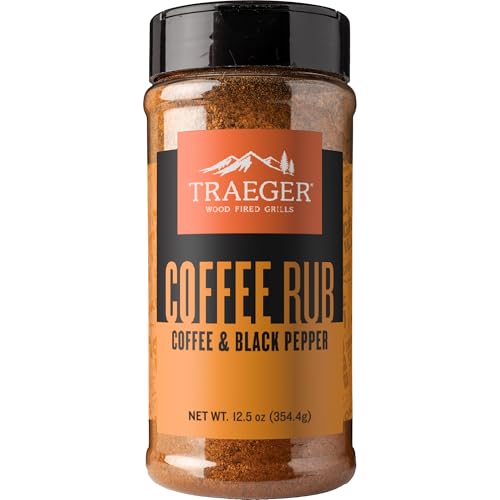
Traeger’s blend stands apart with coffee, cocoa and black pepper alongside garlic, rather than the coffee-and-garlic pairing of Trader Joe’s Coffee & Garlic BBQ Rub. The container holds 12.5 ounces, making it the largest single-container size among the alternatives with a net weight. The maker says the seasoning is gluten-free and kosher. Choose it when a pepper-and-cocoa flavor profile and a larger single container matter more than matching Trader Joe’s. The flavor notes do not give ingredient proportions, so cooks who need to control the pepper or cocoa intensity should review the package before use.
Bottom line: Choose this for a larger container with coffee, cocoa and pepper notes.
Badia Coffee Pepper Rub, 6.5 oz

Badia adds chili and brown sugar to coffee, pepper and garlic, giving this blend a sweet-heat direction that differs from Trader Joe’s Coffee & Garlic BBQ Rub’s coffee-and-garlic emphasis. It comes in a 6.5-ounce container. The maker describes it for steaks, pork, chicken, fish, vegetables, burgers and tofu, so it suits cooks looking for a seasoning that reaches beyond barbecue meats. Pick it when a chili warmth and sweet-savory balance fit the meal.
Bottom line: Pick this when chili and brown-sugar notes suit the dish.
Borsari Coffee Rub, 3.5 oz

Borsari is the alternative here whose maker claims gluten-free, vegan and lactose-free attributes, alongside a coffee-and-cocoa seasoning blend. The container is 3.5 ounces, smaller than the sizes of Traeger Coffee Rub, 12.5 oz and Badia Coffee Pepper Rub, 6.5 oz. Product features suggest using it as a dry rub, sauce, marinade or finishing sprinkle, with examples ranging from meat and corn to vanilla ice cream. Choose it if those dietary attributes and varied applications are relevant.
Bottom line: Choose this if the maker’s dietary attributes matter to you.
PTLIHU Coffee & Garlic BBQ Rub, 2-Pack

PTLIHU is another coffee-and-garlic two-pack, but its 1.75-ounce size per container gives it a more compact format than a bulk-size seasoning. Each unit is 1.75 ounces, for 3.5 ounces across the pair. The fields identify the coffee-and-garlic seasoning and pack count but provide no cooking-use examples, so choose it based on the flavor and container size rather than assuming a specific application. It is a reasonable alternative if the Trader Joe’s match is unavailable to you, but it is a different brand and should not be mistaken for the requested product.
Bottom line: Pick this for the coffee-and-garlic profile in two compact containers.
How to choose a coffee rub
Choose a coffee rub by flavor balance, salt level and how much you need for one cook. Coffee can add roasted, bitter notes; pepper and chili bring heat, while cocoa and sugar can round out a savory blend. Check the ingredient panel for salt near the beginning of the list if you plan to salt meat separately. As a starting point, use about 1 tablespoon of dry rub per pound of meat, then adjust for surface area and personal taste; thin cuts need less than a large roast. For vegetables, begin with a light coating and add more after cooking. A rub is seasoning, not a substitute for cooking meat to a safe internal temperature.
Matching coffee rub flavor to the food
Match the strongest rub notes to the food rather than assuming every coffee blend tastes alike. Coffee and garlic suit cooks seeking a savory profile, while combinations with black pepper, cocoa, chili or brown sugar shift the balance toward peppery, bittersweet or sweet heat. A coarse grind can make a more noticeable surface crust, while finer blends spread more evenly; inspect the texture before applying a large amount. For lean poultry or fish, use a lighter coating so the seasoning does not dominate. For thick beef or pork, season all exposed sides and let the surface sit briefly before cooking. Keep raw-meat seasoning utensils separate from cooked-food utensils.
Applying a dry rub safely
Apply a dry rub with clean hands or a spoon, and discard seasoning that has touched raw meat rather than returning it to the container. Dry rubs do not make meat safe to eat; use a food thermometer to check the thickest portion. USDA minimums are 145°F for whole cuts of beef, pork, lamb and veal followed by a 3-minute rest, 160°F for ground meats, and 165°F for poultry. A grill’s surface temperature and cooking time vary with thickness and equipment, so color alone is not a reliable doneness check. If a rub contains sugar, watch the food closely over direct heat because sweet coatings can darken quickly.
Storing coffee seasoning between cooks
Keep dry rubs tightly closed in a cool, dry cupboard, away from steam and direct sunlight. Moisture encourages clumping and can shorten the useful life of ground spices; use a dry spoon instead of shaking the container over a steaming pot. Whole spices generally retain aroma longer than ground spices, but coffee rubs are blends of ground ingredients, so smell and flavor are practical freshness checks. Buy a container size that matches your cooking frequency: a 3.5-ounce jar is easier to use up than a 12.5-ounce container if you season meat only occasionally. Follow any storage or date guidance printed on the package.
Frequently Asked Questions
How much coffee rub should I use per pound of meat?
Start with about 1 tablespoon per pound, then adjust for the cut’s surface area and your taste. Use less on thin cuts and avoid adding extra salt until you check the blend’s label.
Should coffee rub go on meat before grilling?
Apply a dry rub shortly before cooking so it adheres to the surface. For a thick roast, a longer rest in the refrigerator can let seasoning contact the surface, but keep raw meat chilled and use separate utensils for cooked food.
Does coffee rub make meat taste strongly like coffee?
Not necessarily; the balance depends on the blend and amount used. Start with a light coating, especially on fish or poultry, and increase only if the roasted coffee note suits the dish.
What temperature should coffee-rubbed chicken reach?
Cook poultry to 165°F, measured with a food thermometer in the thickest part. A dark or crusted rub can hide the meat’s color, so appearance is not a reliable safety check.
How should I keep an opened coffee rub fresh?
Seal the container and store it in a cool, dry cupboard away from steam and sunlight. Use a dry spoon, since moisture can cause ground seasonings to clump.