
TriboTEX Nano Oil Additive: Engine Fit Compared

Choose the TriboTEX nano oil additive variant by engine size and application: the small-engine treatment is for a motorcycle, lawn mower, or generator, while the larger options target trucks and big diesel engines. TriboTEX is an engine-oil additive marketed around synthetic nanoparticles. Choose a different variant when its intended engine does not match yours.
We earn a commission if you buy through links on this page. As an Amazon Associate I earn from qualifying purchases. Products are compared on manufacturer specifications, not hands-on testing.
- For regular trucks, tractors, or small diesels: TriboTEX Regular Truck Treatment, 2 oz – The package says it treats one regular truck, tractor, or small diesel.
- For motorcycles, lawn mowers, or generators: TriboTEX Small Engine Treatment – The small treatment is identified for these engines and for 4- and 2-stroke use.
- For big diesel trucks: TriboTEX Big Diesel Truck Treatment – This variant is specifically aimed at one big diesel truck.
- For large diesel engines: TriboTEX Big Rig Oil Additive – This variant is identified as treatment for large diesel engine oil.
| Product | Best for | Intended engine fit | Engine type | Shop |
|---|---|---|---|---|
| TriboTEX Regular Truck Treatment, 2 oz | Regular truck engines | Regular truck, tractor, or small diesel | Gas or diesel | Check Price on Amazon |
| TriboTEX Small Engine Treatment | Small engine use | Motorcycle, lawn mower, or generator | 4- or 2-stroke; gas or diesel | Check Price on Amazon |
| TriboTEX Big Diesel Truck Treatment | Big diesel trucks | One big diesel truck | Diesel; gas compatibility also claimed | Check Price on Amazon |
| TriboTEX Big Rig Oil Additive | Large diesel engines | Large diesel engine | Diesel | Check Price on Amazon |
TriboTEX nano oil additive options
Match the variant to the engine application named for each treatment before adding it to engine oil.
TriboTEX Regular Truck Treatment, 2 oz
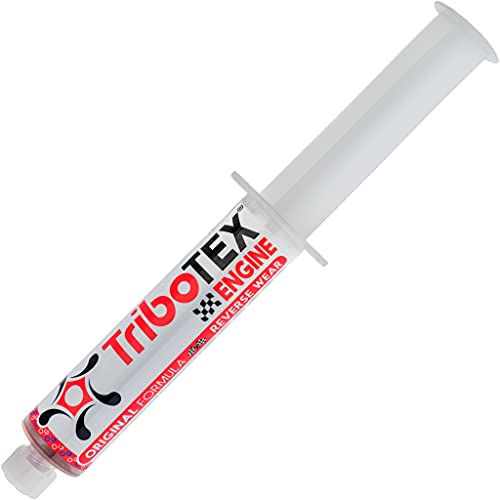
This 2-ounce TriboTEX treatment is the option identified for one regular truck, tractor, or small diesel. The brand says its synthetic nanoparticles form a diamond-like carbon coating on bearings and that the treatment can reduce engine noise and improve fuel consumption. It is described as compatible with all types of motor oil and gas or diesel engines.
Bottom line: Pick this when the engine is a regular truck, tractor, or small diesel.
TriboTEX Small Engine Treatment
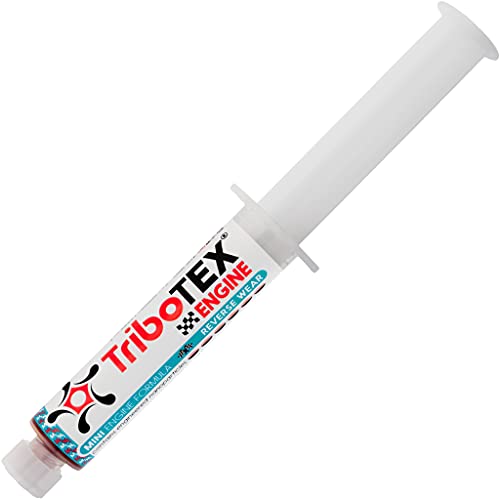
Unlike the truck-oriented variants, this TriboTEX treatment is identified for one motorcycle, lawn mower, or generator, with 4- and 2-stroke use named. The brand says it is compatible with all types of motor oil and gas or diesel engines, and safe for wet clutches in motorcycles. Its application range makes it the relevant choice for buyers with one of these smaller engines.
Bottom line: Pick this for a motorcycle, lawn mower, or generator that matches the fit.
TriboTEX Big Diesel Truck Treatment

This TriboTEX treatment is the variant specifically framed for one big diesel truck, separating it from the regular-truck and small-engine options. The brand says the additive forms a diamond-like carbon coating by reversing bearing wear and claims lower engine noise and improved fuel consumption. The same specifications also describe compatibility with gas engines and all types of motor oil.
Bottom line: Pick this when treating one big diesel truck.
TriboTEX Big Rig Oil Additive

This Big Rig variant is identified for large diesel engine oil, rather than a regular truck or a motorcycle, mower, or generator. Its feature says it contains nanoparticles developed with the Department of Energy, NASA, and the National Science Foundation. That is the only product-specific performance information provided for this variant, so the choice rests on matching the large-diesel application rather than comparing a dose or a performance figure. Confirm that your engine fits this large-diesel use before selecting it.
Bottom line: Pick this for a large diesel engine when its application matches.
How to choose a TriboTEX oil additive
Start with the engine application, not the claims: these TriboTEX variants separate regular vehicles, small engines, big diesel trucks, and large diesel engines. Engine oil capacity is the amount required to reach the dipstick’s safe range; the same bottle dose can therefore be a very different share of the sump in two engines. Most passenger vehicles hold roughly 4 to 6 quarts, while motorcycles, mowers, and generators vary widely by design. Check the engine manual for oil capacity and whether its oil system allows an additive. Do not exceed the full mark on the dipstick; overfilling can cause foaming and poor lubrication.
Motor oil’s viscosity grade, such as 5W-30, is standardized by SAE J300, while API service categories describe performance levels. An additive does not change the engine maker’s required grade or service category. If the manual specifies a particular oil type, preserve that requirement when choosing any treatment.
Small engines and wet-clutch motorcycles
Small engines are not all interchangeable: a 2-stroke engine often relies on oil mixed with fuel or a separate injection system, while a 4-stroke engine has a crankcase oil supply. The product’s 2- and 4-stroke fit does not replace the engine manual’s lubrication method. Verify whether the engine uses premix, injection, or crankcase oil before adding anything to its oil system.
Motorcycle wet clutches share engine oil in many designs, so the wrong friction-modifying additive can cause clutch slip. This small-engine variant specifically says it is safe for wet clutches, but the motorcycle manual remains the authority on oil compatibility and the correct fill amount. A wet clutch is immersed in oil; a dry clutch is not. Use the intended variant only when the motorcycle and its oil requirements match.
Diesel treatment fit and oil capacity
Diesel size and application decide which TriboTEX variant fits: a regular truck or small diesel differs from a big diesel truck and a large diesel engine. Diesel engines can have larger oil sumps than passenger cars, and oil capacity also changes with filter replacement and engine configuration. Use the dipstick procedure and capacity in the engine manual rather than estimating the fill from vehicle class.
Engine oil lubricates moving parts and carries heat and contaminants; it is not a substitute for diagnosing low oil pressure, abnormal noise, or a leak. If a warning light comes on or the dipstick shows a sudden drop, stop safely and check the engine before adding treatment. Do not use an additive to mask a mechanical fault or postpone the specified oil and filter service.
Oil additive use and common mistakes
Engine additives are mixed into the oil supply, so dose only against the engine’s actual oil capacity and the treatment’s amount. The 2-ounce truck treatment identifies a treatment size, but the small-engine and diesel-specific variants do not give a dose in the specifications. Confirm the dose for those choices before adding them; never guess or pour in an unmeasured amount.
Check the oil level on level ground using the vehicle or equipment maker’s procedure, since some engines require a wait after shutdown or a warm-up step. Add oil gradually and recheck the dipstick to avoid crossing the full mark. Keep engine oil away from children and pets, and collect drained oil for an approved used-oil recycling location rather than pouring it into a drain or onto soil.
Frequently Asked Questions
Can TriboTEX be used with synthetic motor oil?
The specifications say the additive is compatible with all types of motor oil. Preserve the viscosity grade and service category required by the engine manual, such as an SAE grade and the applicable API category.
Can an oil additive go in a two-stroke engine?
The small TriboTEX variant identifies 2-stroke use, but two-stroke designs may use fuel premix, oil injection, or a separate oil sump. Check the engine manual’s lubrication method before adding anything to crankcase oil.
How do I avoid overfilling engine oil?
Check the dipstick on level ground using the engine maker’s specified procedure, then add oil in small measured amounts and recheck. Stop at the full mark; excess oil can foam and interfere with lubrication.
Can motorcycle oil additives affect a wet clutch?
They can: a wet clutch operates immersed in shared engine oil, so unsuitable friction modifiers may cause slipping. The small TriboTEX variant says it is safe for wet clutches, but verify the motorcycle’s oil requirements and fill amount in its manual.
How often should engine oil be changed?
Many modern vehicles use oil-change intervals around 5,000 to 7,500 miles, while some approved synthetic-oil systems allow longer intervals. Severe service, including frequent short trips, towing, or dusty conditions, can shorten the interval; use the vehicle’s maintenance schedule.