
Uncle Harry’s Toothpaste: Dentist Factors Compared

For a dentist-aligned daily toothpaste, fluoride is the key factor: Uncle Harry’s peppermint paste is fluoride-free, so it does not provide fluoride’s cavity-prevention benefit. Uncle Harry’s Peppermint Toothpaste, 3 oz is the single-jar peppermint paste; choose a fluoride toothpaste instead if cavity protection is your priority.
The tooth polishes are different products intended for occasional use, not routine toothpaste substitutes.
We earn a commission if you buy through links on this page. As an Amazon Associate I earn from qualifying purchases. Products are compared on manufacturer specifications, not hands-on testing.
- Best overall: Uncle Harry’s Peppermint Toothpaste, 3 oz – The single 3-ounce peppermint toothpaste jar is the clearest match for routine toothpaste use.
- Best for two jars: Uncle Harry’s Peppermint Toothpaste, 2-Pack – The peppermint toothpaste comes as two 3-ounce jars.
- Best for spearmint polish: Uncle Harry’s Spearmint Whitening Polish, 2.5 oz – The 2.5-ounce spearmint polish is intended for use two to three times a week.
| Product | Best for | Format | Size | Flavor | Shop |
|---|---|---|---|---|---|
| Uncle Harry’s Peppermint Toothpaste, 3 oz | Single jar | Toothpaste | 3 oz | Peppermint | Check Price on Amazon |
| Uncle Harry’s Peppermint Toothpaste, 2-Pack | Two-jar supply | Toothpaste, 2-pack | 3 oz each | Peppermint | Check Price on Amazon |
| Uncle Harry’s Spearmint Whitening Polish, 2.5 oz | Spearmint polish | Tooth polish | 2.5 oz | Spearmint | Check Price on Amazon |
| Uncle Harry’s Whitening Tooth Polish, 1.25 oz | Small polish jar | Tooth polish | 1.25 oz | — | Check Price on Amazon |
Uncle Harry’s Toothpaste and Tooth Polish Compared
The key distinction is whether you want a routine toothpaste or an occasional tooth polish.
Uncle Harry’s Peppermint Toothpaste, 3 oz
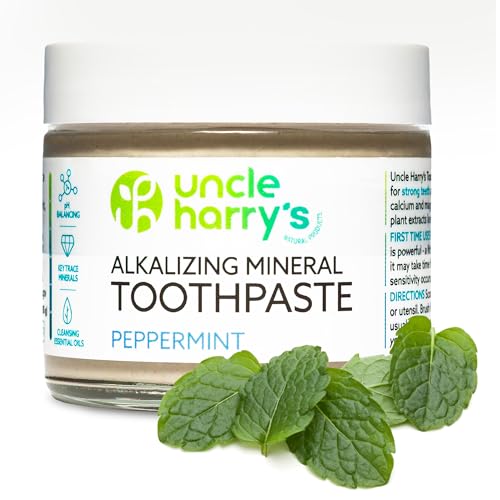
As the single-jar option, this peppermint toothpaste is the straightforward choice for someone who wants one jar rather than a multipack. Its formula includes bentonite clay, calcium carbonate, sea salt, and essential oils, and it comes in a glass jar. The product is fluoride-free, which matters because fluoride toothpaste is the standard choice for cavity prevention; this paste should not be treated as an equivalent substitute for that benefit. Choose it only if you have decided that a fluoride-free formula suits your routine, and ask a dentist about cavity-risk concerns.
Bottom line: Choose this for a single jar of fluoride-free peppermint toothpaste, not for fluoride-based cavity protection.
Uncle Harry’s Peppermint Toothpaste, 2-Pack

This version differs from the single jar by including two 3-ounce jars of the peppermint toothpaste. The formula features bentonite clay, calcium carbonate, sea salt, and peppermint, with additional essential oils listed in its ingredients. The glass packaging may appeal to buyers who prefer to avoid a conventional toothpaste tube, but the fluoride-free formula remains the important dental tradeoff: it does not offer fluoride’s cavity-prevention benefit. If a dentist has advised fluoride toothpaste for your cavity risk, prioritize that recommendation over flavor or packaging preference.
Bottom line: Pick this if you want two jars and have already considered the fluoride-free tradeoff.
Uncle Harry’s Spearmint Whitening Polish, 2.5 oz
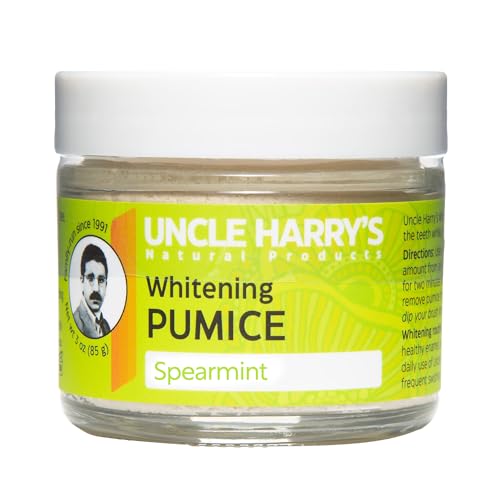
Unlike the peppermint pastes, this is a spearmint tooth polish for occasional use, not a daily toothpaste. The maker says it uses finely ground pumice to polish surface stains and directs users to use it in place of regular toothpaste two to three times a week. Its formula also includes bentonite clay, calcium carbonate, and sea salt. That schedule makes it a poor fit for anyone seeking a single product for every brushing; keep a regular toothpaste for daily use, and remember this polish is also fluoride-free.
Bottom line: Choose this only if you want an occasional spearmint polish alongside regular toothpaste.
Uncle Harry’s Whitening Tooth Polish, 1.25 oz

This is the smaller tooth-polish option, at 1.25 ounces, and differs from the spearmint polish by naming no specific flavor. Its ingredients include pumice and bentonite clay, and the maker says to use it in place of regular toothpaste two to three times a week. That makes it an occasional surface-polishing product rather than a daily toothpaste. Pumice is abrasive, so do not assume more frequent use will whiten better; anyone with sensitive teeth, gum concerns, or dental restorations should ask a dentist whether a polishing product is appropriate.
Bottom line: Choose this for a small occasional-use polish jar, not for daily brushing.
How to choose Uncle Harry’s toothpaste for daily brushing
For daily cavity prevention, choose a fluoride toothpaste rather than relying on a fluoride-free paste. The American Dental Association recommends brushing twice daily with fluoride toothpaste; adults generally use a pea-sized amount and brush for two minutes. The peppermint jars here are fluoride-free, so their mineral ingredients and fresh flavor do not replace fluoride’s cavity-prevention role. A useful decision rule is simple: if your dentist has identified elevated cavity risk, or you want the standard fluoride benefit, choose a fluoride toothpaste for routine brushing. If you prefer a fluoride-free paste, discuss that choice with your dentist, especially if you have a history of frequent cavities or dry mouth. Tooth polish is a separate, occasional-use category, not a daily substitute.
How often to use a tooth polish
Use the tooth polishes as occasional products, not as the only toothpaste in your routine. The maker’s directions for these polishes specify two to three uses per week; the remaining brushing sessions should use a regular toothpaste suited to your cavity-prevention needs. Pumice is a polishing abrasive, and brushing harder or more often is not a safe shortcut to a brighter smile. People with tooth sensitivity, gum recession, crowns, veneers, or other dental work should check with a dentist before using abrasive polishing products. Surface stain is different from deeper tooth color, so a polish may not change discoloration that comes from inside a tooth. Stop use and seek dental advice if brushing causes persistent irritation or sensitivity.
Fluoride toothpaste and fluoride-free paste compared
The table shows how to match the product type to its role rather than treating every jar as interchangeable.
| Need | Choose | Use pattern |
|---|---|---|
| Routine cavity prevention | Fluoride toothpaste | Brush twice daily |
| Fluoride-free peppermint paste | Uncle Harry’s toothpaste | Discuss cavity-risk tradeoffs with a dentist |
| Occasional surface polishing | Tooth polish | Two to three times weekly per maker directions |
Children need particular care with toothpaste amounts: use a rice-grain smear for children younger than 3 and a pea-sized amount for ages 3 through 6, with adult supervision to reduce swallowing. Ask a child’s dentist which toothpaste and amount fit their age and cavity risk.
Frequently Asked Questions
Does Uncle Harry’s toothpaste contain fluoride?
The peppermint toothpaste products here are described as fluoride-free. Fluoride toothpaste is recommended for routine cavity prevention, so ask a dentist about alternatives if you are avoiding fluoride.
Can I use tooth polish every day?
No; the maker’s directions for these tooth polishes specify two to three uses per week. Use regular toothpaste for the rest of your brushing sessions, and ask a dentist before using a polish if you have sensitivity or dental restorations.
How long should I brush my teeth each time?
Brush for two minutes twice daily with fluoride toothpaste for standard cavity prevention. Divide that time across the outer, inner, and chewing surfaces of your teeth rather than concentrating on the visible front surfaces.
How much toothpaste should a young child use?
Use a rice-grain-sized smear for children younger than 3 and a pea-sized amount for ages 3 through 6. Supervise brushing so young children spit rather than swallow toothpaste, and ask the child’s dentist about individual cavity risk.
Will tooth polish remove every kind of stain?
Tooth polish is intended to address surface stains, not every cause of tooth discoloration. Stains arising within a tooth may need a dentist’s assessment, and aggressive or frequent polishing can aggravate sensitivity.