
Low Potassium Protein Drinks: 5 Options Compared

For a low potassium protein drink, Nepro Renal Nutrition Shake, Vanilla is the only option here explicitly identified as low in potassium; its 19 g of protein and 420 calories are for an 8 fl oz carton. The other shakes provide 30 g of protein, but its maker does not identify them as low-potassium choices.
Choose a general protein shake only after checking its potassium amount against your prescribed limit. Potassium needs vary, especially for people with kidney disease or on dialysis, so ask your renal dietitian or clinician which amount per serving fits your plan.
We earn a commission if you buy through links on this page. As an Amazon Associate I earn from qualifying purchases. Products are compared on manufacturer specifications, not hands-on testing.
- Best overall: Nepro Renal Nutrition Shake, Vanilla – The maker identifies it as low in potassium and phosphorus and gives 19 g protein per 8 fl oz carton.
- Best for lactose-free milk protein: Nurri Ultra-Filtered Milk Shake, Chocolate – The maker describes it as lactose-free, with 30 g protein and 150 calories per can; verify potassium first.
- Best for vanilla flavor: Pure Protein Shake, Vanilla – This vanilla shake has 30 g protein and 140 calories per 11 fl oz bottle; verify potassium first.
| Product | Best for | Protein | Calories | Shop |
|---|---|---|---|---|
| Nepro Renal Nutrition Shake, Vanilla | Dialysis nutrition | 19 g per 8 fl oz | 420 per 8 fl oz | Check Price on Amazon |
| Nurri Ultra-Filtered Milk Shake, Chocolate | Lactose-free milk protein | 30 g per 11 fl oz can | 150 per can | Check Price on Amazon |
| Pure Protein Shake, Vanilla | Lower-calorie vanilla | 30 g per 11 fl oz bottle | 140 per bottle | Check Price on Amazon |
| Premier Protein Shake, Vanilla | Vanilla, no added sugar | 30 g per 11.5 fl oz shake | 160 per shake | Check Price on Amazon |
| Oikos Protein Shake, Vanilla | Prebiotic fiber | 30 g per 12 fl oz bottle | — | Check Price on Amazon |
Low Potassium Protein Drinks
Only one option is specifically identified as low in potassium, so compare each label with your individual limit before choosing.
Nepro Renal Nutrition Shake, Vanilla

Nepro Renal Nutrition Shake, Vanilla is the only shake in this group identified as low in potassium and phosphorus, and it is made for people on dialysis. Each 8 fl oz carton provides 19 g of protein and 420 calories; the maker says it can help replace protein and other nutrients lost during dialysis. Its higher calorie count may suit someone whose care plan calls for more energy, but it may not fit a plan limiting calories or fluids. The exact potassium amount is important when you have a prescribed daily limit, so confirm the carton’s current nutrition label with your renal dietitian before relying on it.
Bottom line: Choose it if you are on dialysis and your renal care team approves its potassium, phosphorus, calories, and serving size.
Nurri Ultra-Filtered Milk Shake, Chocolate
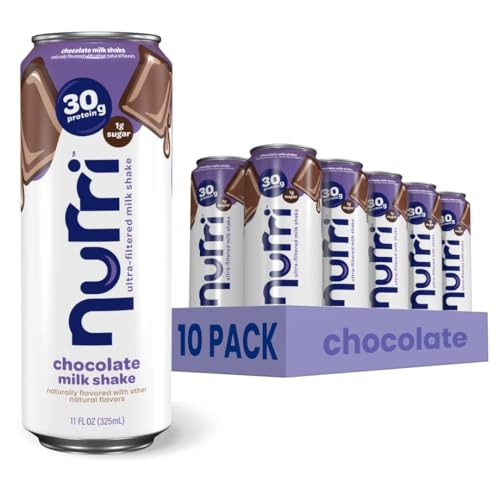
Nurri Ultra-Filtered Milk Shake, Chocolate stands out for its lactose-free ultra-filtered milk protein, with 30 g of protein in an 11 fl oz can. The maker also describes it as having 1 g of sugar, 150 calories, and 10 vitamins and minerals. That makes it a possible protein option for someone who wants a ready-to-drink milk-based shake and avoids lactose. Check its potassium per can before adding it to a renal meal plan.
Bottom line: Choose it only if lactose-free milk protein suits you and the potassium amount fits your prescribed limit.
Pure Protein Shake, Vanilla

Pure Protein Shake, Vanilla has the lowest calorie count among the 30 g protein shakes here: 140 calories per 11 fl oz bottle. The maker says it contains less than 1 g of sugar and 24 added vitamins and minerals, and describes it as made with milk protein isolate. Its vanilla flavor and ready-to-drink format may work for someone seeking a complete-protein shake. Confirm potassium per bottle before using it within a restricted-potassium plan.
Bottom line: Choose it for a lower-calorie vanilla shake only after checking its potassium per bottle.
Premier Protein Shake, Vanilla

Premier Protein Shake, Vanilla offers 30 g of protein in an 11.5 fl oz vanilla shake, with 160 calories and 24 vitamins and minerals. The maker says it has no added sugar; that wording is not the same as a guarantee of zero total sugars. This ready-to-drink option may suit someone looking for a portable protein shake with vanilla flavor. Check the potassium per container against your prescribed limit before choosing it for a restricted-potassium diet.
Bottom line: Choose it for a no-added-sugar vanilla option if its labeled potassium amount fits your plan.
Oikos Protein Shake, Vanilla

Oikos Protein Shake, Vanilla is the only shake here with a prebiotic fiber amount: 5 g per 12 fl oz bottle. The maker also gives 30 g of protein and 1 g of sugar per bottle, and says the shake is shelf-stable and needs no refrigeration. Those features may suit someone who wants a ready-to-drink vanilla shake with prebiotic fiber. Check the current label for potassium and calories before considering it for a kidney-focused nutrition plan.
Bottom line: Choose it if prebiotic fiber is a priority and the label confirms a suitable potassium amount.
How to choose a low potassium protein drink
Choose by potassium per serving, not by protein grams or sugar claims. A common renal-diet rule of thumb treats 200 mg of potassium or less per serving as low, but individual targets differ; use the threshold your renal dietitian gives you. Nutrition Facts panels list potassium in milligrams and as a percentage of the 4,700 mg Daily Value, so the milligram amount is more useful for applying a personal limit. Compare the labeled serving with the amount you actually drink: a larger bottle may contain more than one serving.
Protein drinks and kidney diet fit
A protein shake is not automatically suitable for kidney disease just because it has low potassium. People on dialysis may need more protein than people with earlier-stage kidney disease, while phosphorus, sodium, fluid, and calories can also matter. A renal nutrition formula may be designed around several of those needs, but the exact fit depends on the person’s prescription and the specific product. The options here range from 19 g to 30 g of protein per container, and the serving volumes range from 8 to 12 fl oz. Use this quick screen with your care team before making a regular choice:
| Need to check | What to compare |
|---|---|
| Potassium limit | Milligrams per container against your daily target |
| Protein prescription | Grams per serving and servings per day |
| Other renal limits | Phosphorus, sodium, fluid, and calories |
A dialysis-specific product is not a substitute for individualized nutrition advice, especially if your diet plan also limits fluid or phosphorus.
Reading potassium and serving-size labels
Potassium on a Nutrition Facts panel is shown in milligrams, with a percent Daily Value based on 4,700 mg; compare milligrams with your own limit rather than using the percentage alone. A bottle labeled as one serving is straightforward, while a container with multiple servings requires multiplying potassium per serving by the amount consumed. Formulas can change, and flavors or sizes in the same product line may have different nutrition values, so read the exact flavor and package label each time you change products. For a restricted-potassium diet, ask the renal dietitian whether a serving threshold such as 200 mg works for your prescription. Confirm the potassium amount before ordering or incorporating a shake whose label does not show it.
Frequently Asked Questions
What counts as a low potassium drink?
A common renal-diet rule of thumb is 200 mg of potassium or less per serving, but there is no single cutoff that suits everyone. Follow the amount set for your own diet and check milligrams per serving on the Nutrition Facts panel.
How do I compare potassium in protein shakes?
Compare potassium milligrams per the amount you will drink, not just per labeled serving. If a bottle contains two servings and you drink all of it, multiply the per-serving potassium by two.
Can people with kidney disease drink protein shakes?
Some can, but the right amount of protein depends on kidney function and treatment; dialysis can change protein needs. Ask your renal dietitian to check potassium, phosphorus, sodium, fluid, and calories along with protein.
Does a high-protein shake have more potassium?
Protein grams alone do not tell you the potassium amount. Check the exact flavor’s Nutrition Facts panel, because ingredients and serving sizes differ among shakes.
Do ready-to-drink shakes need refrigeration?
Shelf-stable shakes can be stored unopened without refrigeration when the package says so; opened containers generally need refrigeration. Follow the carton’s storage directions and discard a drink left at room temperature beyond two hours.