
Best Heat Transfer Vinyl for Nylon: 5 Options Compared

Cricut SportFlex Iron-On is the strongest match for most nylon projects because it is made for nylon activewear and designed to stretch with movement. Choose Siser EasyWeed Extra HTV, Black if you want a product specifically named for nylon; choose a general-purpose roll only when its application guidance supports your garment.
Heat transfer vinyl (HTV) is a film cut into a design and bonded to fabric with heat and pressure.
We earn a commission if you buy through links on this page. As an Amazon Associate I earn from qualifying purchases. Products are compared on manufacturer specifications, not hands-on testing.
- Best overall: Cricut SportFlex Iron-On – Made specifically for polyester and nylon activewear, with a flexible finish designed to move.
- Best for nylon garments: Siser EasyWeed Extra HTV, Black – The product is identified as HTV for nylon and comes in a 15-by-36-inch sheet.
- Best for broad fabric projects: Siser EasyWeed White, 15 ft – Its material range includes cotton, polyester, blends and leather.
| Product | Best for | Width | Length | Shop |
|---|---|---|---|---|
| Cricut SportFlex Iron-On | Stretchy activewear | 11.8 in | 5 ft | Check Price on Amazon |
| Siser EasyWeed Extra HTV, Black | Nylon garments | 15 in | 36 in | Check Price on Amazon |
| Siser EasyWeed White, 15 ft | Mixed fabric crafts | 11.8 in | 15 ft | Check Price on Amazon |
| Sooez PU HTV, White | Stretchy craft designs | 12 in | 12 ft | Check Price on Amazon |
| HTVRONT White HTV, 20 ft | Long white runs | 12 in | 20 ft | Check Price on Amazon |
Heat Transfer Vinyl for Nylon Compared
The key distinction is whether the material is identified for nylon or intended for broader apparel projects.
Cricut SportFlex Iron-On

Cricut SportFlex Iron-On is the clearest fit for nylon activewear because Cricut says the material is made for polyester and nylon sportswear, including yoga pants and jerseys. The 11.8-inch-wide, 5-foot roll is intended for Cricut machines and heat presses. Cricut says it stretches and flexes and is designed to outlast 30 washes. That focus makes it a sensible choice for garments that bend during wear, rather than a general craft roll. The limitation is its shorter length than the 15- and 20-foot options, which matters for larger batches.
Bottom line: Pick this for stretchy nylon sportswear and Cricut-centered projects.
Siser EasyWeed Extra HTV, Black

Siser EasyWeed Extra HTV, Black is the explicitly nylon-oriented choice for buyers who want a black sheet rather than a long roll. Its dimensions are 15 inches by 36 inches, a useful format for a compact project or a few smaller designs. The product name identifies it as EasyWeed Extra HTV for nylon, which distinguishes it from the general apparel rolls here. The specifications provide no application temperature, pressure, peel timing or fabric range, so it is a less informative option for dialing in a first transfer. Confirm the garment’s heat tolerance and the application directions before use.
Bottom line: Choose this for a black nylon project when a 15-by-36-inch sheet suits the design.
Siser EasyWeed White, 15 ft
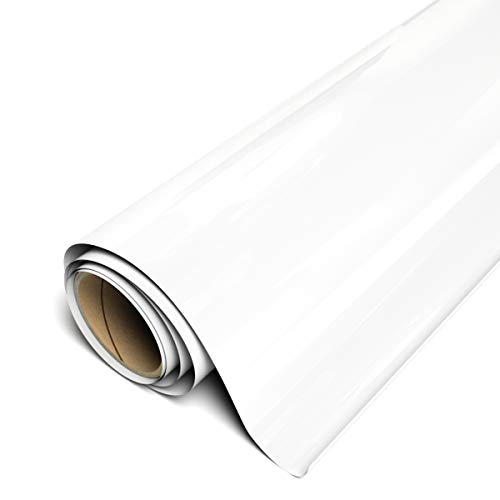
Siser EasyWeed White, 15 ft is the broad fabric option, with a range covering cotton, polyester, blends and leather; nylon is not included in that range. Its 11.8-inch width and 15-foot length make it useful when a project involves several listed fabric types or repeated designs. Siser says its sticky carrier backing helps with weeding, supports a one-second tack for layering and permits a hot peel. Because the material guidance does not specifically name nylon, it is a less direct pick for nylon garments than the two specialty options. Verify compatibility with the actual fabric before committing a full design.
Bottom line: Pick this for mixed projects on its fabrics, not as a first-choice nylon film.
Sooez PU HTV, White

Sooez PU HTV, White offers a 12-inch-wide, 12-foot PU roll, and the maker describes its material as stretchy and breathable. The roll is white and intended for cutter-machine projects. The maker also says the film is pressure- and temperature-sensitive, which makes controlled application important. Its limitation for nylon buyers is the absence of nylon-specific fit guidance; check compatibility and heat tolerance before starting.
Bottom line: Consider this for flexible craft work only after confirming the nylon fabric can take the transfer.
HTVRONT White HTV, 20 ft

HTVRONT White HTV, 20 ft has the longest roll among these options at 20 feet, with a 12-inch width, making it practical when a project needs repeated white designs. That distinction matters because a film intended for common shirts may not bond reliably to a nylon garment or tolerate its heat exposure. The roll length is useful for volume, but does not solve fabric compatibility. Confirm the film’s suitability for the particular nylon before cutting a full run.
Bottom line: Choose this for a longer run only when nylon compatibility is confirmed first.
How to choose heat transfer vinyl for nylon
Start with a film explicitly identified for nylon, then match its stretch to how the garment moves. Nylon often appears in activewear, windbreakers and bags, but surface finishes such as water-repellent coatings can make bonding less reliable than on untreated fabric. Stretch-oriented HTV is a better design match for garments that flex; a rigid design across a high-movement area is more likely to feel restrictive or stress at the edges. The product’s application temperature, pressure and peel timing must also fit the fabric. As a practical rule, if the garment care label rules out the heat needed by the vinyl, do not apply that vinyl to the garment. Test a scrap or hidden area before making the full transfer.
Nylon garment fit and application risks
Nylon varies by weave, coating and construction, so a successful transfer on one nylon item does not guarantee a bond on another. Water-resistant finishes can interfere with adhesion, while excessive heat can distort or damage synthetic fabric. Check the garment care label and use only the application’s specified temperature and pressure; do not substitute a generic cotton setting. A heat press can provide more even pressure than a household iron, but both require a protective cover when the vinyl’s instructions call for one. Avoid stretching the garment during application or while the transfer cools. For coated rainwear, delicate shells or garments that cannot tolerate heat, choose another decoration method rather than risk damaging the fabric.
HTV types and project fit
Nylon-specific HTV is the clearest starting point for nylon garments, while general apparel HTV may suit other fabrics without establishing nylon compatibility. PU films can offer flexibility, but material alone does not prove a suitable bond to a particular nylon finish. Roll length affects how many designs can be cut; it does not indicate adhesive strength or wash life. Use this guide to narrow the type, then follow the selected film’s application directions.
| Project need | Choose | Reason |
|---|---|---|
| Nylon activewear | Nylon-specific stretch HTV | Designed for movement and nylon fabric |
| General fabric crafts | Broad apparel HTV | Suitable only for the material types identified |
| Coated nylon outerwear | Verify first or use another method | Coatings and heat sensitivity can undermine results |
Frequently Asked Questions
Can regular heat transfer vinyl stick to nylon?
Some general-purpose films may bond to nylon, but the fabric’s finish and the film’s formulation matter. Nylon-specific HTV is a safer starting point, and coated or water-resistant fabric should be tested before a full design.
What temperature should I use on nylon HTV?
Use the temperature specified for the particular HTV and confirm the garment can tolerate it. Nylon can be heat-sensitive, so a cotton setting is not a safe default; test an inconspicuous area first.
Why does HTV peel off a nylon jacket?
A coating, insufficient or uneven pressure, or a mismatch between the film and fabric can prevent a durable bond. Water-resistant nylon is especially worth testing, and the transfer’s temperature and peel timing must match its directions.
Can I use a household iron on nylon heat transfer vinyl?
A household iron can apply HTV when its directions permit it, but pressure and temperature are less even than with a heat press. Use a protective cover if specified, keep the garment flat, and stop if the fabric shows heat damage.
Does stretch HTV work better on nylon leggings?
Stretch HTV is generally the better design match for leggings because the garment moves and stretches during wear. Confirm that the film specifically supports nylon and follow its application settings so the bond and fabric are not compromised.