
Full Cheeks Paper Bedding: 5 Options Compared

Full Cheeks Classic White Shreds, 25 L is the closest match for shoppers seeking Full Cheeks paper bedding: its 25-liter unscented shreds are designed for burrowing and nesting. Choose Full Cheeks Classic White Pellets, 5 L instead if you want Full Cheeks paper pellets for litter or training; shoppers open to other brands can compare larger paper-bedding volumes and a lavender-scented option.
We earn a commission if you buy through links on this page. As an Amazon Associate I earn from qualifying purchases. Products are compared on manufacturer specifications, not hands-on testing.
- Best overall: Full Cheeks Classic White Shreds, 25 L – Unscented, expandable paper shreds in a 25-liter volume suit general bedding and burrowing.
- Best for litter training: Full Cheeks Classic White Pellets, 5 L – The 5-liter Full Cheeks paper pellets are intended for litter and training use.
- Best for larger volume: Oxbow Pure Comfort White Paper, 72 L – The 72-liter bag offers the largest usable volume among these options.
| Product | Best for | Usable volume | Form | Scent | Shop |
|---|---|---|---|---|---|
| Full Cheeks Classic White Shreds, 25 L | General bedding | 25 L | Expandable shreds | Unscented | Check Price on Amazon |
| Full Cheeks Classic White Pellets, 5 L | Litter training | 5 L | Paper pellets | Unscented | Check Price on Amazon |
| Kaytee Clean & Cozy White Paper, 49.2 L | Larger white-paper bag | 49.2 L | Soft paper bedding | Fragrance-free | Check Price on Amazon |
| Oxbow Pure Comfort White Paper, 72 L | Maximum volume | 72 L | Virgin paper bedding | White; scent not given | Check Price on Amazon |
| Kaytee Clean & Cozy Lavender Paper, 49.2 L | Lavender scent | 49.2 L | Soft paper bedding | Lavender buds | Check Price on Amazon |
Full Cheeks Paper Bedding Options
Compare the Full Cheeks shreds and pellets with other paper bedding by volume, form and scent.
Full Cheeks Classic White Shreds, 25 L

Unlike the pellet option, Full Cheeks Classic White Shreds, 25 L uses expandable shreds intended for nesting and burrowing. The unscented white paper bedding has a usable volume of 25 liters, and the maker says its odor-control technology helps control ammonia odors for 14 days. It is a fit for small-pet habitats where a soft, loose substrate matters. Its larger shred format is not the same as litter pellets, so buyers focused on a pellet-style litter material should choose Full Cheeks Classic White Pellets, 5 L instead.
Bottom line: Choose this for unscented shredded bedding and nesting or burrowing.
Full Cheeks Classic White Pellets, 5 L

Full Cheeks Classic White Pellets, 5 L is the Full Cheeks option here made as paper pellets rather than loose shreds, with 5 liters of usable volume. The maker describes it as low-dust and absorbent and identifies guinea pigs, rabbits and chinchillas as intended pets; it is also intended for training support. The compact volume can suit a litter area or a smaller purchase, but it provides less bedding material than the 25-liter Full Cheeks shreds. Choose pellets for a defined litter zone, not when you need a deep layer of loose nesting material.
Bottom line: Choose this for a pellet format in a litter or training area.
Kaytee Clean & Cozy White Paper, 49.2 L

Kaytee Clean & Cozy White Paper, 49.2 L differs from the Full Cheeks choices through its 49.2-liter package and soft paper bedding rather than the named shreds or pellets. The maker says it is fragrance-free, 99% dust-free and absorbs up to six times its weight in liquid; it names rabbits, guinea pigs, hamsters and other small animals as suitable. This is a reasonable alternative when a larger white-paper package is the priority. It is not a Full Cheeks product, and its soft bedding form is not the pellet format sought for a distinct litter area.
Bottom line: Choose this for a larger fragrance-free paper-bedding package.
Oxbow Pure Comfort White Paper, 72 L
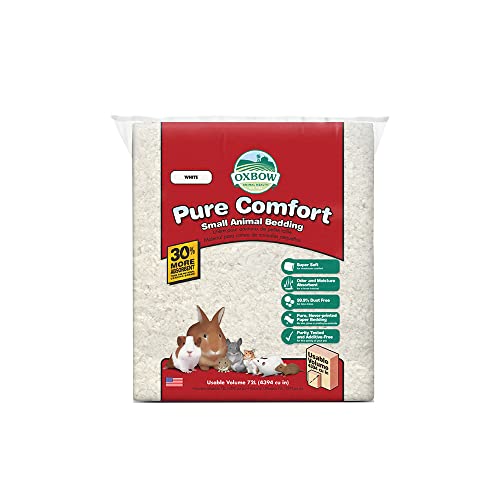
Oxbow Pure Comfort White Paper, 72 L has the largest volume in this comparison at 72 liters, and its product name identifies virgin paper bedding in white. The maker says the bedding is 99.9% dust-reduced and designed to absorb odors and moisture, with habitats and litter boxes among its uses. It suits buyers who want a large package from a different brand. The features do not identify it as a Full Cheeks product or a pellet litter, so it is a related alternative rather than a direct brand match.
Bottom line: Choose this if package volume matters more than the Full Cheeks brand.
Kaytee Clean & Cozy Lavender Paper, 49.2 L

Kaytee Clean & Cozy Lavender Paper, 49.2 L stands apart from the unscented Full Cheeks options with real lavender buds and a 49.2-liter package. The maker describes the lavender as naturally scented and pet-safe. This is a related paper-bedding alternative for a buyer specifically seeking a scented option and a larger volume. It is not Full Cheeks, and fragrance may not suit households that prefer neutral bedding or pets sensitive to added scents; in those cases, choose an unscented paper product instead.
Bottom line: Choose this only if you specifically want lavender-scented bedding.
How to Choose Paper Bedding
Choose paper bedding by matching its form to how your pet uses the habitat: loose shreds support nesting and burrowing, while pellets can be useful in a litter area. A typical hamster burrow setup uses a deep substrate layer, often around 6 to 10 inches, while a thin layer may suit a litter pan; habitat size and species change the amount needed. Paper is one substrate choice, but avoid aromatic cedar and untreated pine shavings because their aromatic oils can irritate small animals’ respiratory systems. If your pet digs, prioritize loose material and sufficient depth; if your main goal is containing waste in one spot, pellets may be easier to confine. Keep food and water areas dry and remove wet patches promptly.
Shreds Versus Paper Pellets
Shredded paper and paper pellets differ in texture and practical use, so choose according to the habitat zone rather than package appearance. Shreds are loose and easier to shape into nesting areas; pellets hold a more defined form and can work in a litter tray. The options below show where each format fits. Neither form removes the need to clean soiled areas: spot-clean wet or contaminated bedding daily, and replace bedding when damp, dirty or odorous. For a multi-level habitat, keep the litter zone separate from sleeping and food areas to reduce contamination. Avoid assuming a product’s volume indicates how many days it will last; pet count, enclosure size and cleaning frequency all affect consumption.
| Need | Form to consider | Reason |
|---|---|---|
| Nesting or burrowing | Loose paper shreds | Loose material can be moved and shaped |
| Defined litter zone | Paper pellets | Pellets stay concentrated in a tray |
| Neutral scent preference | Unscented paper | Avoids added fragrance |
Habitat Depth and Bedding Changes
Small-animal bedding depth should match species and behavior, not just the package size. Burrowing hamsters generally benefit from a deep, compactable substrate layer, often about 6 to 10 inches where the enclosure allows; guinea pigs and rabbits need dry, absorbent flooring and designated litter areas rather than a burrow-depth layer everywhere. Spot-clean wet patches daily and refresh bedding whenever it is damp or visibly soiled. A complete change is commonly needed about weekly, but a larger enclosure with fewer animals may stay clean longer, while a small or heavily used area needs attention sooner. Make any change gradually if your pet relies on familiar nesting material, keeping a small amount of clean old bedding when appropriate.
Paper Bedding Safety and Common Mistakes
Keep paper bedding dry and free of aromatic wood shavings, mold and heavily perfumed materials. Cedar and untreated pine can release aromatic oils that irritate small animals’ airways, so choose paper or another suitable low-irritant substrate instead. Avoid placing bedding where it can block ventilation, and make sure water bottles do not leak into the substrate; damp bedding can become soiled quickly. A common mistake is treating a low-dust claim as a guarantee of zero airborne particles: pour bedding gently and observe whether dust is raised. For animals that chew bedding, select material intended for small-pet habitats and monitor for persistent ingestion or changes in eating behavior.
Frequently Asked Questions
How often should small-animal paper bedding be changed?
Spot-clean wet or soiled patches daily, then replace bedding when it is damp, dirty or odorous. A full refresh is often needed about weekly, but enclosure size, pet count and litter habits change that schedule.
How deep should hamster paper bedding be?
A burrowing hamster setup commonly uses about 6 to 10 inches of substrate where the enclosure permits. Deeper material supports tunneling better than a thin floor covering, but the enclosure must still provide safe ventilation and usable space.
Are paper pellets or shreds better for litter areas?
Paper pellets are easier to keep concentrated in a defined litter tray, while loose shreds are easier to arrange for nesting or burrowing. Keep the litter zone apart from food and sleeping areas.
Can paper bedding be scented for small pets?
Unscented bedding is the safer default for households seeking to avoid added fragrance. Cedar and untreated pine shavings can irritate airways, and any bedding that raises dust or seems to bother a pet should be replaced.
What should I do if paper bedding gets wet?
Remove wet bedding promptly and check for a leaking bottle or spilled water source. Damp material soils faster, so replace the affected area rather than leaving it in the habitat until the next full change.