
Soqu Rice Cream: 5 Face Moisturizers Compared

For a face moisturizer, Soqu Moisturizing & Brightening Rice Cream is the direct Soqu rice cream match: a 2.48 fl oz moisturizing and brightening cream for all skin types. Choose Soqu Moisturizing & Brightening Rice Serum if you prefer a drop-form serum, or consider the other creams and sheet mask for a different format or brand.
We earn a commission if you buy through links on this page. As an Amazon Associate I earn from qualifying purchases. Products are compared on manufacturer specifications, not hands-on testing.
- Best overall: Soqu Moisturizing & Brightening Rice Cream – It is the Soqu face cream, with a 2.48 fl oz size and all-skin-type positioning.
- Best for rice cream alternative: SKINFOOD Rice Brightening Cream – It is a 60 ml rice cream with Icheon rice and fermented rice water.
- Best for sheet-mask use: SOQU Rice Sheet Mask, 5 Pack – The pack contains five sheet masks with rice extract, hyaluronic acid, and niacinamide.
| Product | Best for | Format | Size | Skin type | Shop |
|---|---|---|---|---|---|
| Soqu Moisturizing & Brightening Rice Cream | Soqu cream match | Cream | 2.48 fl oz | All | Check Price on Amazon |
| Soqu Moisturizing & Brightening Rice Serum | Serum preference | Drop serum | 1.7 fl oz | All | Check Price on Amazon |
| SKINFOOD Rice Brightening Cream | Fermented rice option | Cream | 60 ml | All | Check Price on Amazon |
| BEUKING Rice Face Cream | Ceramide blend | Cream | 1.06 oz | — | Check Price on Amazon |
| SOQU Rice Sheet Mask, 5 Pack | Sheet mask format | Sheet mask | 5 sheets, 23 g each | All | Check Price on Amazon |
Soqu Rice Cream and Alternatives
Compare the matching Soqu cream with related face-care products by format, size, and intended skin type.
Soqu Moisturizing & Brightening Rice Cream

Soqu Moisturizing & Brightening Rice Cream is the direct Soqu rice cream match, unlike the serum and sheet mask formats in this group. The face cream comes in a 2.48 fl oz pack and is positioned for all skin types, making it the clearest choice if you want a leave-on cream from Soqu. The product attributes describe it as moisturizing and brightening; they do not identify its ingredient list. Buyers who need to avoid a particular ingredient should confirm the full formula before ordering, since skin-type labeling alone cannot establish ingredient suitability.
Bottom line: Pick this if you want the Soqu rice cream in a leave-on face cream format.
Soqu Moisturizing & Brightening Rice Serum

Soqu Moisturizing & Brightening Rice Serum is the Soqu alternative for someone who wants a drop-form serum rather than a cream. It is intended for the face and all skin types, and its product benefit is moisturization; the aloe scent is another distinction from the unscented-by-description cream option. At 1.7 fl oz, it is smaller by volume than Soqu Moisturizing & Brightening Rice Cream. The format difference matters most if you specifically want a cream texture: a serum is not a like-for-like replacement for the cream step, so choose it for its format rather than assuming it has the same feel or routine role.
Bottom line: Choose this if a drop serum suits your routine better than a cream.
SKINFOOD Rice Brightening Cream
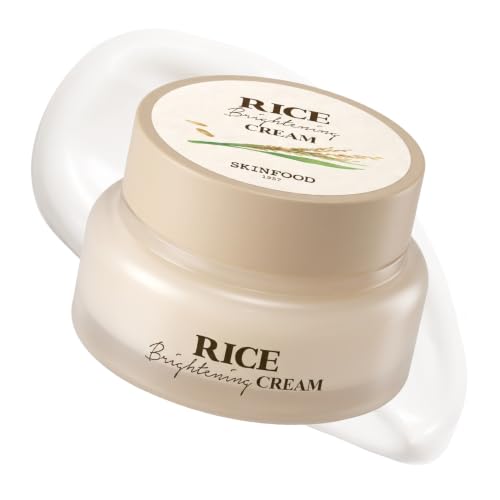
SKINFOOD Rice Brightening Cream offers a different rice-cream formula, naming Icheon rice and fermented rice water rather than the Soqu cream’s broader moisturizing-and-brightening description. The manufacturer says the cream provides hydration for 48 hours and describes it as lightweight and non-sticky; it also makes brightening and texture claims. The 60 ml jar is intended for all skin types. This is a useful alternative for shoppers specifically seeking a fermented-rice formula, but it is not a Soqu product, and the extra ingredient and performance claims do not establish how it will suit an individual’s skin.
Bottom line: Pick this if you want an alternative cream centered on fermented rice.
BEUKING Rice Face Cream

BEUKING Rice Face Cream stands apart by naming 94.4% fermented rice extract and five ceramides: EOP, NP, NS, AS, and AP. The manufacturer says the formula offers long-lasting hydration and a quickly absorbed, non-sticky feel, with firming and fine-line claims. Its 1.06 oz size is the smallest cream quantity among the cream options here.
Bottom line: Choose this if the named fermented rice and ceramide blend is your priority.
SOQU Rice Sheet Mask, 5 Pack

SOQU Rice Sheet Mask, 5 Pack is a Soqu rice product, but it is a sheet mask rather than a leave-on cream. The five-sheet pack lists rice extract, hyaluronic acid, and niacinamide, and it is marked for all skin types. That makes it the option for a mask step, not a direct substitute for daily face moisturizer. Sheet masks are generally used for a single session and removed; follow the product’s directions for wear time and any remaining essence. Buyers looking specifically for a cream should stay with Soqu Moisturizing & Brightening Rice Cream, since the mask format changes how the product is used.
Bottom line: Choose this for a sheet mask step, not as a cream replacement.
How to choose a rice face moisturizer
Start with the product format and routine role: creams are leave-on moisturizers, serums are lighter treatment-layer products, and sheet masks are temporary treatments. A basic routine commonly applies a water-based serum before a cream, then sunscreen in the morning; a mask does not replace daily sun protection. Choose a cream if you want the moisturizer step, and choose a serum if you want an additional layer. Introduce new products one at a time over several days to make irritation easier to trace. For reactive skin, patch-test a small area for 24 to 48 hours before applying a new formula broadly.
What rice cream claims can tell you
Rice-derived ingredients can refer to different materials, such as rice extract, rice water, or fermented rice ingredients, so “rice cream” alone does not tell you the full formula. Check the ingredient list for the specific rice ingredient and potential irritants such as fragrance if you are sensitive to it. “Brightening” is a cosmetic claim, not a promise of a particular result; formulas and individual responses differ. For uneven tone, daily broad-spectrum SPF 30 or higher is a practical routine anchor because UV exposure can deepen discoloration. Stop using a product if it causes persistent burning or a rash.
How cream, serum, and sheet mask formats differ
Choose by how the product fits into your routine, not by the word “rice” on the label. Creams provide the moisturizer step, serums add a leave-on layer, and sheet masks are used temporarily and then removed. This need-to-format guide helps avoid choosing a product that cannot do the job you expect.
| Need | Format to consider | Use distinction |
|---|---|---|
| Daily moisturizer step | Cream | Leave on |
| Additional lightweight layer | Serum | Apply before cream |
| Temporary mask step | Sheet mask | Remove after use |
Layering too many products at once can make irritation harder to trace. Keep the routine simple when trying a new format, and maintain sunscreen in daytime routines.
How to patch-test a new face cream
Patch-test a small amount on an inconspicuous area, such as the inner forearm or behind the ear, and watch the area for 24 to 48 hours before applying it to the face. A negative patch test lowers uncertainty but cannot guarantee that a product will never irritate facial skin. Avoid testing on broken or inflamed skin, and introduce only one new product at a time. If a product causes swelling, severe pain, or a widespread rash, stop using it and seek medical advice. For known ingredient allergies, read the complete ingredient list rather than relying on “all skin types,” which is broad positioning, not an allergy screening standard.
Frequently Asked Questions
Can a rice cream replace a face serum?
A cream can cover the moisturizer step, while a serum is an optional layer with a different texture and routine role. If you want a simpler routine, use a cream and skip serum; if layering, apply serum before cream.
Should rice cream go on before sunscreen?
Apply moisturizer before sunscreen in a morning routine, allowing the moisturizer to settle first. Use broad-spectrum SPF 30 or higher as the final skincare layer before makeup or outdoor exposure.
How long should a sheet mask stay on?
Use the wear time printed on its package; many sheet masks are worn for about 10 to 20 minutes. Leaving a mask on until it dries can make the skin feel tight, so remove it before it becomes dry.
How can I tell whether a face cream suits sensitive skin?
Check the full ingredient list for known triggers and patch-test a small area for 24 to 48 hours. “All skin types” does not guarantee that a formula will suit every sensitive or allergy-prone person.