
HPS Cold Air Intake Options Compared by Vehicle Fit

For a 2019–2024 Acura RDX with a 2.0L turbo, HPS 827-729P RDX Intake is the HPS intake to consider; its 3.25-inch tubing and enclosed heat shield distinguish it from the smaller-tubed HPS kit. Choose HPS 837-732P Integra/Civic Intake instead for the Integra or Civic applications, and consider the other brands only if their vehicle fit matches yours.
A cold air intake replaces or alters the engine’s intake path and filter. Confirm the exact year, engine and trim fitment before ordering, since these kits are vehicle-specific.
We earn a commission if you buy through links on this page. As an Amazon Associate I earn from qualifying purchases. Products are compared on manufacturer specifications, not hands-on testing.
- Best overall: HPS 827-729P RDX Intake – The RDX kit pairs 3.25-inch tubing with an enclosed heat shield.
- Best for Integra or Civic: HPS 837-732P Integra/Civic Intake – It fits the 1.5L turbo Integra and Civic applications.
- Best for oil-free filter media: AEM 21-855C Cold Air Intake – Its reusable filter uses washable, oil-free media.
| Product | Best for | Vehicle fit | Tubing diameter | Claimed power gain | Shop |
|---|---|---|---|---|---|
| HPS 827-729P RDX Intake | 2019–2024 RDX | 2019–2024 Acura RDX 2.0L Turbo | 3.25 in | Up to 9 hp | Check Price on Amazon |
| HPS 837-732P Integra/Civic Intake | Integra or Civic | 2023–2024 Integra; 2022–2024 Civic 1.5L Turbo | 2.75 in | 5.8 hp | Check Price on Amazon |
| AEM 21-855C Cold Air Intake | Oil-free filter | Vehicle-specific fit | — | — | Check Price on Amazon |
| Injen SP1902P Cold Air Intake | Polished finish | — | — | Potential +9 hp | Check Price on Amazon |
HPS Cold Air Intake Kits and Alternatives
Match the year, engine and trim before comparing tubing, filters and maker-claimed gains.
HPS 827-729P RDX Intake

For the Acura RDX applications, this HPS kit uses 3.25-inch mandrel-bent aluminum tubing, a reusable high-flow cotton filter and an enclosed powder-coated steel heat shield. HPS says the setup can produce gains up to 9 horsepower and 9 lb-ft of torque, and it is designed to enhance induction sound during acceleration. The kit is the match for an RDX buyer who wants the larger tubing and enclosed shield rather than the 2.75-inch alternative. Its fit range is limited to the 2019–2024 2.0L Turbo RDX, so it is not the choice for the Integra or Civic applications.
Bottom line: Pick this for the specified RDX when the enclosed heat shield and larger tubing are priorities.
HPS 837-732P Integra/Civic Intake
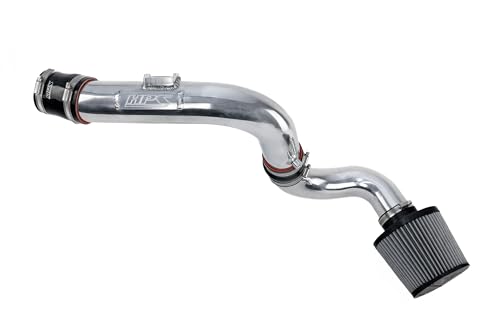
This is the HPS option for the 1.5L turbo Integra and Civic applications, rather than the RDX. Its 2.75-inch mandrel-bent aluminum tubing is paired with a reusable high-flow cotton filter; the manufacturer claims 5.8 horsepower and 8 lb-ft of torque, along with improved acceleration and throttle response. HPS also says the intake adds induction sound through the rev range and installs with simple hand tools. Choose it if your vehicle is one of the applications and you want an HPS kit sized for that platform. The fit range does not include the RDX, and exact year and engine matching still matters.
Bottom line: Choose this for a 1.5L turbo Integra or Civic, not for an RDX.
AEM 21-855C Cold Air Intake

Unlike the two HPS kits, this AEM system is distinguished by a washable, reusable oil-free filter and an aluminum intake tube. Its heat shield has edge trim lining, and AEM says the filter can last up to 100,000 miles before cleaning, depending on driving conditions. That maintenance claim may appeal to buyers who want washable media without filter oil. The available fit description only identifies the system as vehicle-specific, so match its part number to your exact vehicle before choosing it; it is not an HPS-branded alternative for a specific HPS fit range.
Bottom line: Consider this if oil-free washable media is a priority and the vehicle fit matches.
Injen SP1902P Cold Air Intake

This Injen system is a non-HPS alternative with a polished finish and a manufacturer-identified potential gain of 9 horsepower. Its package dimensions are 22.352 by 65.278 by 33.02 centimeters, but those measurements describe the package, not the installed intake. The specifications do not identify a vehicle application, tubing size or filter type, so this option is useful only if the SP1902P part number is confirmed for your exact vehicle. Do not treat the horsepower figure as a guaranteed result; actual fit and outcomes depend on the specific application.
Bottom line: Choose this only after confirming the SP1902P fits your vehicle.
How to choose a cold air intake by fit
Choose a cold air intake by exact vehicle application before comparing claimed gains. Model year, engine displacement, turbo configuration and trim can change intake routing and sensor connections, so a similar-looking vehicle is not proof of fit. A kit’s tubing diameter is also not a standalone measure of power: engine airflow demand, bends, filter placement and calibration all affect the result. Compare the manufacturer’s claimed gain only when the tested engine application is the same as yours; do not assume a figure transfers between the RDX and a 1.5L Civic. If the application or emissions status is unclear, confirm both before ordering.
What tubing and heat shields change
Intake tubing directs air from the filter toward the engine, while a heat shield helps separate the filter from warmer underhood air. The RDX-specific HPS kit has 3.25-inch tubing and an enclosed shield, while the Integra/Civic HPS kit uses 2.75-inch tubing; those measurements describe distinct vehicle-specific designs, not a universal upgrade scale. Larger tubing can reduce restriction on a suitable engine, but an oversized or poorly matched path can compromise airflow speed and fit. Intake sound can also become more noticeable because less of the factory intake’s sound dampening remains. Keep the filter positioned and sealed as the kit maker specifies.
Filter care and emissions checks
Reusable filters need periodic inspection and cleaning because dust buildup can restrict airflow; dusty roads and frequent driving in dirty conditions shorten the interval. The AEM manufacturer says its washable, oil-free filter can go up to 100,000 miles before cleaning, depending on driving conditions, but that statement applies to that filter and not to the HPS cotton filters. Follow each filter maker’s cleaning method, and avoid over-oiling any filter designed to use oil because excess oil can contaminate intake sensors. Emissions rules for aftermarket intake parts differ by state and vehicle application; California buyers should verify that the exact part has the required CARB approval before installation.
Frequently Asked Questions
Does a cold air intake require an engine tune?
A tune is not automatically required for every intake, but requirements depend on the vehicle and intake design. Check the kit’s application instructions for your exact engine before driving with a modified intake.
How often should a reusable intake filter be cleaned?
Inspect it periodically and clean it sooner in dusty conditions, since dirt buildup restricts airflow. For the AEM filter here, the maker gives up to 100,000 miles before cleaning depending on driving conditions; that interval should not be applied to other filters.
Can I use an intake made for a different engine?
No; choose an intake whose fitment matches the exact year, engine and trim. Different engine layouts can use different tubing paths, sensor locations and connections even within the same model line.
Will a cold air intake change engine sound?
An intake can make induction sound more noticeable during acceleration by changing how much intake noise is damped. HPS specifically claims enhanced induction sound for both of its kits here.
Are aftermarket cold air intakes legal in every state?
No; emissions requirements vary by state and application. California buyers should verify CARB approval for the exact part and vehicle before installing an aftermarket intake.