
Tactical ABS X Stimulator: Features and Fit Compared

Tactical X EMS Stimulator, Blue is the closest match for someone seeking a Tactical X EMS stimulator, with 10 modes and 25 intensity levels as the key deciding features. Choose Abdominal Muscle Toner Belt, Black instead if you want a belt described specifically for abdominal use, or Grexemin USB-Rechargeable Ab Stimulator if you prefer a unit with a 20-minute automatic shutoff.
EMS belts send electrical impulses through skin pads to make muscles contract; they are accessories, not substitutes for voluntary exercise.
We earn a commission if you buy through links on this page. As an Amazon Associate I earn from qualifying purchases. Products are compared on manufacturer specifications, not hands-on testing.
- Best overall: Tactical X EMS Stimulator, Blue – It matches the Tactical X name and offers 10 modes with 25 intensity levels.
- Best for auto shutoff: Grexemin USB-Rechargeable Ab Stimulator – Its controller defaults to 20 minutes and switches off automatically.
- Best for abdominal focus: Abdominal Muscle Toner Belt, Black – Its purpose centers on abdominal muscle toning.
| Product | Best for | Modes | Intensity levels | Coverage | Shop |
|---|---|---|---|---|---|
| Tactical X EMS Stimulator, Blue | Adjustable sessions | 10 | 25 | Abs, arms, legs, neck | Check Price on Amazon |
| Tactical X EMS Stimulator, Black and Blue | Multi-area use | 10 | 25 | Abs, arms, legs, neck | Check Price on Amazon |
| Grexemin USB-Rechargeable Ab Stimulator | Timed sessions | — | — | Abdomen, arms, legs | Check Price on Amazon |
| Abdominal Muscle Toner Belt, Black | Core-focused use | — | — | Abdomen | Check Price on Amazon |
Tactical ABS X Stimulators and Alternatives
Compare the controls and intended coverage of these EMS belts before choosing a routine.
Tactical X EMS Stimulator, Blue
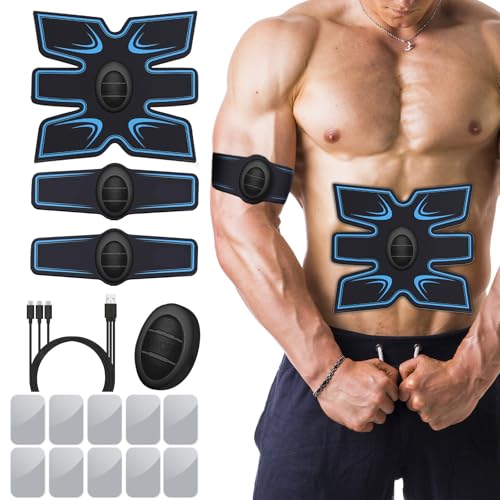
The blue Tactical X model stands out for its range of selectable settings: it has 10 modes and 25 intensity levels. The maker describes it as a rechargeable EMS device for muscle training or massage on the abdomen, arms, legs, or neck. That broad intended coverage may suit someone who wants one controller for several body areas. Electrical muscle stimulation creates contractions; it does not replace active exercise.
Bottom line: Choose this if you want multiple modes and intensity steps for several body areas.
Tactical X EMS Stimulator, Black and Blue

The black-and-blue Tactical X version is distinguished by its one-size designation and 0.44-pound weight. It shares the 10 modes and 25 intensity levels of the blue version, and the maker describes it as rechargeable equipment for EMS muscle training or massage across the abdomen, arms, legs, or neck. Its weight may matter if you plan to move the controller between rooms. The tradeoff is that one-size does not explain the belt’s adjustable circumference or pad placement; confirm physical fit before ordering if sizing is important.
Bottom line: Pick this version if its weight and color suit your setup.
Grexemin USB-Rechargeable Ab Stimulator

The Grexemin belt is the option with an automatic 20-minute shutoff, a useful boundary for keeping a session finite. Its controller starts only when the pads are attached to the body, and the maker describes it as USB-rechargeable equipment for abdomen, arm, and leg training. That setup may appeal to someone who wants a basic timed session rather than a wide selection of stated modes.
Bottom line: Choose this if automatic shutoff is more useful than a mode count.
Abdominal Muscle Toner Belt, Black
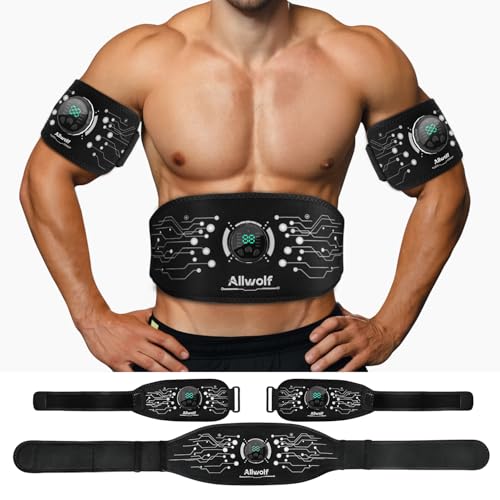
The black belt is the most abdominal-focused choice in this group: its use is core toning rather than a list of several body areas. The maker describes the belt as portable and lightweight, and its basic operation is to position it on the abdomen and select an intensity. That straightforward purpose may suit someone seeking an abdominal belt for home, office, or travel use.
Bottom line: Pick this if your intended use is limited to the abdominal area.
How EMS ab belts work
EMS belts use electrodes and conductive pads to deliver electrical pulses that trigger muscle contractions. The sensation and contraction depend on pad contact, skin condition, and the selected intensity; clean, dry skin and fully adhered pads help maintain consistent contact. EMS can activate muscles, but a belt alone does not provide the aerobic, strength, or movement benefits of exercise. Do not treat a stronger sensation as a better workout: increase intensity gradually and stop if you feel pain, burning, or unusual discomfort. Use only on the body area and in the manner allowed by the device instructions, since pad placement and session limits differ by model.
How to choose an EMS stimulator
Choose by the control range and body area you actually plan to use, not by broad claims about shaping or growth. A model listing 10 modes and 25 intensity levels gives more named adjustments than one without stated counts, while an automatic 20-minute shutoff provides a clear session boundary. Check that the pad layout reaches the muscle area you intend to stimulate and that the belt can hold steady contact while you sit or move lightly. A practical rule is to select abdominal-only coverage when you will use it only on the core; choose stated multi-area coverage only when arm or leg placement is part of your plan. Do not infer a specific fit from a one-size label alone.
EMS belt safety and skin contact
Electrical stimulation requires care because current passes through skin electrodes. Keep pads away from the front or sides of the neck, head, and across the chest, and do not place them on irritated or broken skin. People with pacemakers or other implanted electronic devices should avoid EMS unless a clinician familiar with the device specifically clears its use; pregnancy and seizure disorders also warrant medical advice before use. Stop immediately for sharp pain, burning, dizziness, or an unusual reaction. Use the lowest comfortable intensity first, and do not use a belt while sleeping, driving, bathing, or in any situation where an unexpected muscle contraction could create a hazard.
EMS belts compared by intended use
The intended coverage and controls are the most useful distinctions among these belts. Match the device to the area you plan to stimulate, then consider whether adjustment counts or a time limit matter more for your routine. This comparison describes only the purpose and controls, not a guarantee of fitness results.
| Need | Useful distinction | Consider |
|---|---|---|
| Several body areas | Coverage names abdomen, arms, and legs | A multi-area EMS model |
| More selectable settings | Mode and intensity counts are provided | A model with controls |
| Finite session length | Automatic 20-minute shutoff | A timed controller |
| Core-only placement | Abdominal-focused purpose | An abdominal belt |
Frequently Asked Questions
Can an EMS belt replace abdominal exercise?
No. Treat a belt as an accessory rather than a substitute for regular activity.
How long should an EMS belt session last?
Use the session limit in the specific device instructions; one model here defaults to a 20-minute shutoff. Stop sooner if the sensation becomes painful, hot, or uncomfortable, and do not extend sessions just to increase intensity.
Can I use an EMS stimulator with a pacemaker?
Avoid electrical muscle stimulation with a pacemaker or other implanted electronic device unless a clinician familiar with that device clears it. Electrical pulses can interfere with implanted electronics, so do not rely on general belt claims as medical clearance.
Where should I avoid placing EMS pads?
Keep pads off the head and front or sides of the neck, and do not position them so current crosses the chest. Avoid broken or irritated skin, and place electrodes only where the device instructions allow.
Do EMS belts reduce belly fat on their own?
Do not count on an EMS belt to reduce body fat; electrical contractions are not the same as fat loss. A belt may stimulate muscle, but changes in body composition require broader activity and nutrition choices.