
Best Ear Muffs for Winter: 5 Styles Compared

180s Behind-the-Head Fleece Earmuffs is the best choice for most people because its adjustable behind-the-head frame avoids a band over the crown. Choose a headband or full-cup style instead if you want a different fit or more coverage around the ears.
Winter earmuffs cover the ears to reduce heat loss; the right style depends on fit, coverage and whether you need to wear a hat or helmet.
We earn a commission if you buy through links on this page. As an Amazon Associate I earn from qualifying purchases. Products are compared on manufacturer specifications, not hands-on testing.
- Best overall: 180s Behind-the-Head Fleece Earmuffs – The adjustable behind-the-head frame fits without a band over the crown.
- Best for portability: Foldable Polar Fleece Behind-the-Head Earmuffs – The fleece-lined behind-the-head style folds for compact storage.
- Best for full coverage: Faux-Fur Adjustable Winter Earmuffs – The faux-fur cups wrap around the ears and have velvet lining.
| Product | Best for | Style | Adjustability | Packability | Shop |
|---|---|---|---|---|---|
| 180s Behind-the-Head Fleece Earmuffs | Crown-free fit | Behind-the-head frame | Adjustable click-to-fit | Fully collapsible | Check Price on Amazon |
| Foldable Polar Fleece Behind-the-Head Earmuffs | Folding storage | Behind-the-head frame | Maximum length 17.7 in | Foldable | Check Price on Amazon |
| C.C Sherpa Adjustable Headband Earmuffs | Soft headband fit | Knitted headband | Adjustable height 5–6 in | Lightweight, portable | Check Price on Amazon |
| JOEYOUNG Fleece Ear Warmer Headband | Active headband wear | Fleece headband | — | — | Check Price on Amazon |
| Faux-Fur Adjustable Winter Earmuffs | Full ear coverage | Full-coverage ear cups | Adjustable | Foldable | Check Price on Amazon |
Best ear muffs for winter
Compare the fit and construction first, then choose the pair that suits your routine.
180s Behind-the-Head Fleece Earmuffs

The adjustable behind-the-head frame sets this pair apart from headband styles, keeping material off the crown. The fleece is 97% polyester and 3% spandex, and the frame adjusts with a click-to-fit mechanism. The earmuffs are fully collapsible, so they can be stored compactly between outings. Brand says the standard-fit design is wind and water resistant. This is a practical choice for people who dislike a band across their hair; the limitation is that the standard fit may not suit someone who needs a custom size.
Bottom line: Choose these if you want adjustable coverage without a crown band.
Foldable Polar Fleece Behind-the-Head Earmuffs

The maximum length of 17.7 inches is the distinguishing fit measurement for this fleece-lined, behind-the-head style. It has a soft knit exterior and polar fleece warmth, with a foldable construction intended for carrying in a pocket or bag. The maker describes it as unisex for men, women and teenagers. This option suits someone who wants a foldable ear warmer for walking or outdoor activities. Because the maximum length is the only fit measurement supplied, anyone with a particular fit requirement should confirm the fit before ordering.
Bottom line: Pick this pair if folding it for a bag or pocket matters most.
C.C Sherpa Adjustable Headband Earmuffs

The adjustable knitted headband, with a height range of 5 to 6 inches, distinguishes this pair from fixed-frame earmuffs. Its outer layer is fuzzy sherpa and its lining is faux-fur; the material blend is 50% polyester and 50% acrylic. The maker presents it as lightweight and easy to carry in a bag or backpack. This style suits someone who prefers a soft band over a structured frame. A headband can compete for space with hats, so it may be less convenient when you already wear substantial headwear.
Bottom line: Choose this if you want an adjustable knitted band with sherpa texture.
JOEYOUNG Fleece Ear Warmer Headband
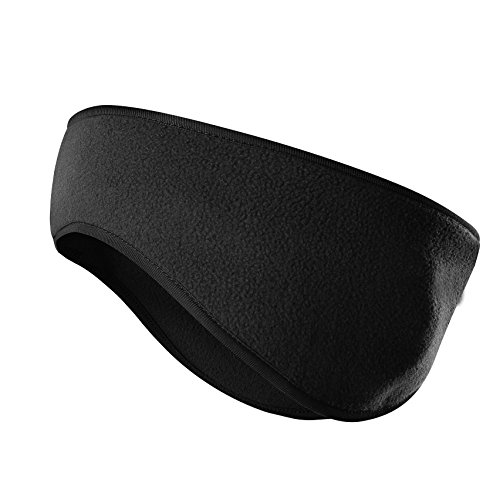
The fleece headband construction makes this pair a different option from the structured behind-the-head frames and fluffy ear cups. The maker describes the material as fleece and polyester and says the design is intended to stay in place during activities such as running, cycling and skiing. That makes it a candidate for people who want a fabric band while moving outdoors.
Bottom line: Pick this if you want a fleece headband for active outdoor use.
Faux-Fur Adjustable Winter Earmuffs

The full-coverage faux-fur cups distinguish this style from the slimmer behind-the-head frames. The maker says the cups wrap around the ears, with thick faux-fur outside and velvet lining; the headband is also velvet-lined and described as adjustable and foldable. It suits someone prioritizing a soft, enveloping feel and a style that can be folded for storage. The plush construction is bulkier than a simple fabric band, which can matter when packing light or combining earmuffs with other headwear.
Bottom line: Choose these if full ear coverage and a plush lining are priorities.
How to choose winter ear muffs
Start with the fit you can wear comfortably for the whole outing: a crown band, behind-the-head frame or full ear cups. Behind-the-head frames leave the crown open, while headbands add fabric over the top and may compete with hats. Full cups surround more of the ear but take up more space. For active use, prioritize a secure fit that stays in place as you move; for commuting or carrying, check whether the design folds or collapses. A measurable decision rule is simple: if you need the crown clear for a helmet or hairstyle, select a behind-the-head frame rather than a headband. If you wear glasses, check that the arms sit comfortably beneath the ear coverage before a long outing.
Winter earmuff styles and coverage
Ear coverage, rather than the label alone, determines how an earmuff fits into a winter clothing system. Fabric bands cover the crown and ears, behind-the-head frames avoid the crown, and cup styles enclose the ears. The table maps common needs to those constructions.
| Need | Style to consider | Trade-off |
|---|---|---|
| Keep crown clear | Behind-the-head frame | Fit depends on frame adjustment |
| Soft band over the-head | Fleece or knit headband | Can compete with hats |
| More surrounding coverage | Full ear cups | Bulkier to pack |
Wind-resistant fabric can help block moving air, but it is not the same as hearing protection. Earmuffs intended for warmth should not be treated as certified protection against hazardous noise.
Fit winter earmuffs with hats and glasses
Try earmuffs with the headwear and eyewear you expect to use, because a comfortable fit on bare ears can change under a hat or around glasses. A headband occupies the crown, while a behind-the-head frame leaves that area open; full cups need room around the outer ear. For glasses, check whether the earmuff presses the arms against the-head after several minutes, not just at first placement. For helmets, confirm that the combination fits without shifting the helmet or disturbing its retention system. Do not force a bulky cup under a close-fitting helmet. Choose a construction based on the actual combination rather than assuming every adjustable design works with every hat or helmet.
Care and cold-weather safety
Keep winter earmuffs dry between outings, since damp fabric loses insulating effectiveness and can feel cold against the skin. Check the care label before washing: faux-fur, sherpa and fleece may require different handling, and heat can damage synthetic fibers. Cold exposure can injure uncovered skin, so earmuffs are only one part of protection; cover other exposed areas and go indoors if skin becomes numb or painful. Wind chill speeds heat loss, and wet conditions increase discomfort. Earmuffs designed for warmth do not replace hearing protection around loud machinery or firearms. For outdoor activity, make sure the fit remains secure without blocking awareness of nearby traffic or other hazards.
Frequently Asked Questions
Are behind-the-head earmuffs better with hats?
They leave the crown open, so they can avoid the band-over-head conflict that some hats create. Check that the frame stays secure beneath your hat and does not press uncomfortably.
Can winter earmuffs fit under a bicycle helmet?
Only if the helmet still sits level and its retention system fits correctly. Avoid forcing bulky cups beneath a close-fitting helmet, and never loosen the helmet to accommodate earmuffs.
Do warm earmuffs block loud noise?
Warmth-focused earmuffs should not be assumed to protect hearing. For loud machinery or firearms, use hearing protection with an appropriate noise-reduction rating.
How should I wash fleece or faux-fur earmuffs?
Check the care label first because fleece, sherpa and faux-fur can have different cleaning needs. Avoid high heat, which can damage synthetic fibers or flatten plush materials.
When should I cover my ears in winter?
Cover exposed ears in cold, windy conditions, especially when you will be outdoors for an extended period. Move to shelter if skin becomes numb or painful, since cold exposure can cause injury.