
Best 100% Cotton Socks: 3 Picks Compared

Monxiery Cushioned Ankle Socks is the best 100% cotton sock pick for most people because its cushioned ankle design is made for both sports and daily wear. Choose Occulto Ingo Cotton Dress Socks instead if you want a 10-pair pack of black dress socks; choose Brula Cushioned Crew Socks if you prefer a crew cut and are open to a 98% cotton blend.
Cotton socks use natural cotton fibers, which absorb moisture but can dry more slowly than synthetic performance fabrics.
We earn a commission if you buy through links on this page. As an Amazon Associate I earn from qualifying purchases. Products are compared on manufacturer specifications, not hands-on testing.
- Best overall: Monxiery Cushioned Ankle Socks – Cushioned ankle socks with reinforced heel and toe are presented for sports or daily wear.
- Best for dress wear: Occulto Ingo Cotton Dress Socks – The 10-pair pack is made of 100% cotton and has a dress-sock design.
- Best for crew coverage: Brula Cushioned Crew Socks – The crew-height sock has a 98% cotton blend and a seamless toe.
| Product | Best for | Cotton content | Cut | Pack size | Shop |
|---|---|---|---|---|---|
| Monxiery Cushioned Ankle Socks | Everyday ankle wear | 100% cotton | Ankle | 5 pairs | Check Price on Amazon |
| Brula Cushioned Crew Socks | Crew sock coverage | 98% cotton | Crew | 4 pairs | Check Price on Amazon |
| Occulto Ingo Cotton Dress Socks | Dress sock multipack | 100% cotton | Dress sock | 10 pairs | Check Price on Amazon |
100% Cotton Socks Compared
Compare fiber content, sock height and pack size before choosing a pair for daily or dress wear.
Monxiery Cushioned Ankle Socks
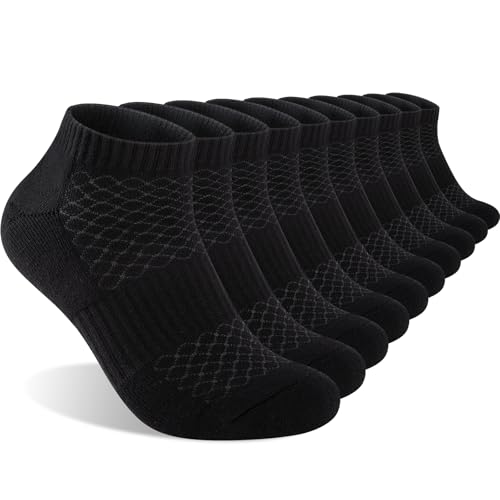
Monxiery Cushioned Ankle Socks stands out for its ankle cut and cushioned sole, making it the most versatile match here for people who want a lower-profile sock. The five-pair black pack includes reinforced heels and toes, ribbed cuffs, arch support and a breathable mesh structure. The maker says the design is intended for sports or daily wear.
The ankle height may not suit anyone who wants crew coverage under boots or above the ankle. Cotton also absorbs moisture and dries more slowly than many synthetic athletic fabrics, so this is a better fit for everyday wear than long, sweaty sessions.
Bottom line: Choose this pair if you want cushioned ankle coverage for everyday wear.
Brula Cushioned Crew Socks

Brula Cushioned Crew Socks is the only crew-height option in this group, and its 98% cotton content makes it a close alternative rather than a 100% cotton match. The four-pair white pack has a seamless toe and a soft-stretch ribbed leg. The maker describes the construction as breathable and moisture-wicking.
The remaining 2% of fiber content is not identified in the specifications, so check the fiber label if you need to avoid a particular material. The crew cut gives more leg coverage than an ankle sock, but this product does not meet a strict 100% cotton requirement.
Bottom line: Choose this if crew coverage matters more than an all-cotton fiber content.
Occulto Ingo Cotton Dress Socks

Occulto Ingo Cotton Dress Socks offers the largest pack here, with 10 pairs of black 100% cotton dress socks. Its distinguishing features are flat seams and comfort cuffs designed to avoid pressure, making it the clearest choice for business or dress wear rather than athletic use. The size is 10–12.
The dress-sock style may not provide the cushioning or ankle fit some buyers want for sports. Cotton absorbs moisture, so these socks may feel damp longer than synthetic options during strenuous activity. Choose this pack when a larger supply of black dress socks is the priority.
Bottom line: Choose this pack for black cotton dress socks in a 10-pair set.
How to Choose 100% Cotton Socks
Start with fiber content and the job the socks need to do: a strict all-cotton requirement rules out blends, while workouts often favor fabrics that dry faster. Cotton absorbs moisture, which can feel comfortable in routine wear but leave damp fabric against the foot during prolonged sweating. Sock height also changes the fit under footwear; ankle socks suit low-cut shoes, while crew socks cover more of the lower leg.
Use this quick guide to match common sock types to their use. If a shoe rubs the heel or ankle, compare the sock edge with the shoe collar before choosing a cut. For long, high-sweat activity, choose a moisture-managing athletic sock rather than assuming cotton is best because it is a natural fiber.
| Need | Type to consider | Trade-off |
|---|---|---|
| Low-cut shoes | Ankle socks | Less leg coverage |
| More leg coverage | Crew socks | May feel warmer |
| Dress footwear | Dress socks | Usually less cushioning |
How Cotton Content Affects Comfort
Fiber percentage tells you whether a sock is pure cotton or a blend, but it does not by itself determine fit or durability. Pure cotton contains no stretch fiber, so the sock’s shape, knit and cuff construction matter; a cotton blend may include fibers that add stretch or help the fabric recover, though the blend’s ingredients must be checked on its label.
Cotton absorbs moisture readily but generally dries more slowly than polyester or nylon, which is why a cotton sock can feel damp during sweaty activity. For routine wear, prioritize fit and sock construction; for workouts that produce sustained sweat, prioritize faster-drying fabric. Brula Cushioned Crew Socks is 98% cotton, while Monxiery Cushioned Ankle Socks and Occulto Ingo Cotton Dress Socks are presented as 100% cotton.
How to Get the Right Sock Fit
Use the shoe size or foot-length range on the package as your starting point; sock sizes can differ by manufacturer, so compare the range rather than assuming one size label fits every brand. A sock that is too short can pull at the toes, while excess fabric can bunch and rub inside a shoe. If you are between sizes, check the maker’s size chart before choosing.
Cut should also match the footwear: ankle socks may leave skin exposed above a low collar, while crew socks can bunch if the shoe opening is low. Check the cuff position while standing, since a sock that slips or presses behind the knee can become uncomfortable over a full day. For a strict 100% cotton requirement, verify that the package fiber label matches that percentage.
How to Wash Cotton Socks
Wash cotton socks with similar colors and use the care label’s temperature guidance; hot washing and high-heat drying can increase shrinkage in cotton garments. Turn socks inside out to expose the areas that collect sweat and skin oils, and avoid leaving damp socks bundled together, where they can stay wet longer.
Replace a pair when thinning fabric, holes or stretched cuffs interfere with coverage or fit. Cotton absorbs moisture but is not a quick-drying performance fiber, so let socks dry fully between wears, especially after exercise. A spare dry pair is useful for long activity in warm conditions, since changing out of damp socks reduces prolonged skin contact with moisture.
Frequently Asked Questions
Are 100% cotton socks good for exercise?
They can work for light activity, but cotton absorbs sweat and dries more slowly than many synthetic athletic fabrics. For a long or high-sweat workout, a faster-drying sock is usually a better fit.
Do cotton socks shrink in the wash?
Cotton can shrink, particularly with hot washing or high-heat drying. Use the care label’s temperature guidance and avoid high dryer heat if preserving the fit matters.
How should cotton socks fit inside shoes?
A sock should lie flat without toe pull or fabric bunching, which can rub inside a shoe. Compare its size range with your shoe size or foot length, then match the cut to the shoe collar.
Are cotton-blend socks the same as 100% cotton?
No; a 98% cotton sock is a blend, not a 100% cotton sock. Check the fiber label when the exact percentage matters.
Why do cotton socks stay damp after exercise?
Cotton absorbs moisture and generally dries more slowly than polyester or nylon. Changing into a dry pair after strenuous activity helps avoid wearing damp socks for an extended period.