
Masks for Training and Running in Winter Compared

For winter running, Geyoga 3-Pack Winter Half Face Masks is the closest match because it is a three-pack of half face masks with mesh breathing panels; choose Sparthos High Altitude Training Mask instead for adjustable breathing resistance during workouts, not warmth. A face covering helps shield skin from cold air, while a resistance mask serves a different training purpose.
We earn a commission if you buy through links on this page. As an Amazon Associate I earn from qualifying purchases. Products are compared on manufacturer specifications, not hands-on testing.
- Best overall: Geyoga 3-Pack Winter Half Face Masks – Three half face masks include fleece lining, mesh breathing panels and a design described for running.
- Best for resistance training: Sparthos High Altitude Training Mask – It offers 16 breathing levels for workouts, but it is not described as a winter-warmth mask.
- Best for simple coverage: Ergodyne N-Ferno 6821 Fleece Balaclava – Its thermal fleece balaclava provides head and neck coverage and is described as non-bulky under helmets.
| Product | Best for | Coverage | Fit or count | Key design | Shop |
|---|---|---|---|---|---|
| Geyoga 3-Pack Winter Half Face Masks | Winter running | Half face | 3 masks | Mesh breathing panels | Check Price on Amazon |
| Sparthos High Altitude Training Mask | Resistance workouts | Face mask | One size | 16 breathing levels | Check Price on Amazon |
| Ergodyne N-Ferno 6821 Fleece Balaclava | Full head coverage | Full head and neck | One size | Thermal fleece | Check Price on Amazon |
| OZERO Convertible Fleece Balaclava | Adjustable coverage | Full head and neck | One size | Drawcord opening | Check Price on Amazon |
| SakerPlus Fleece Mask with Eye Shield | Wind around eyes | Face, ears and eyes | One size | Built-in eye shield | Check Price on Amazon |
Masks for Winter Training and Running
Match face coverage and airflow to the weather and workout; winter face masks and resistance-training masks serve different purposes.
Geyoga 3-Pack Winter Half Face Masks
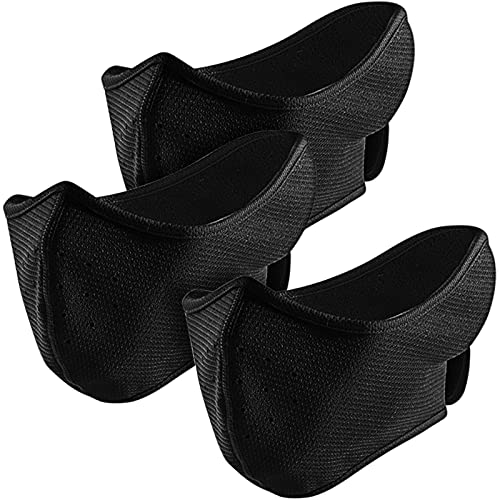
For running in cold weather, this three-pack is the only option here explicitly described for running and built with mesh breathing panels. Each half balaclava has stretchy fabric, a fleece lining and moisture-wicking fabric; the package contains three black pieces. That combination suits runners who want lower-face and ear coverage with more airflow than a solid fleece panel. The tradeoff is its half face cut: it does not provide the full head and neck coverage of a balaclava, so runners seeking that coverage should choose another style.
Bottom line: Pick this if you want a running-oriented half mask with mesh panels and multiple pieces.
Sparthos High Altitude Training Mask

For breathing-resistance workouts rather than winter warmth, this is the only mask here with adjustable breathing levels: the product offers 16. It is presented for cardio, running, cycling and gym exercise, with a case included. That makes it relevant to runners specifically seeking a resistance-training accessory, not a barrier against cold air. The limitation matters in winter: its features do not describe thermal fleece or face-and-neck insulation, so choose a separate cold-weather covering when warmth is the goal.
Bottom line: Pick this for adjustable breathing resistance during workouts, not for cold-weather coverage.
Ergodyne N-Ferno 6821 Fleece Balaclava

Among the fleece options, this balaclava is specifically described as non-bulky under a hard hat or helmet, with a long cut that tucks into a jacket. Its thermal fleece covers the head and neck, and reflective accents are included. The one-size, stretchable design may suit runners who want a simple layer under other gear. The limitation is that it offers no described mesh breathing panel or adjustable breathing resistance, so it is less suited to someone prioritizing airflow features or workout resistance.
Bottom line: Pick this for full fleece head and neck coverage under a helmet.
OZERO Convertible Fleece Balaclava
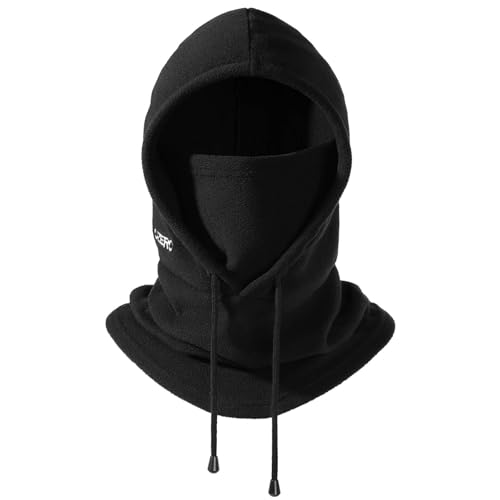
This balaclava stands apart with a drawcord-adjustable opening and convertible wear: it can be used as a hood, face mask, scarf or neck gaiter. Dense polar fleece covers the face, ears and neck, and the roomy shaped hood leaves space around the crown and sides. That flexibility suits someone who wants to change coverage as conditions shift. Its limitation for active running is the lack of a described mesh breathing panel, so runners sensitive to dampness or stuffiness may prefer a more breathable half-mask design.
Bottom line: Pick this for adjustable fleece coverage that can be worn in several ways.
SakerPlus Fleece Mask with Eye Shield

Unlike the other fleece face coverings, this mask integrates an eye shield to reduce direct wind exposure around the eyes. It also covers the face and ears with soft thermal fleece, making it relevant to winter activities where exposed eye areas are uncomfortable. That may matter for running, where breathability and eyewear compatibility are personal fit considerations; check that the shield sits comfortably with any glasses or goggles you wear.
Bottom line: Pick this when integrated eye coverage matters alongside fleece face and ear coverage.
How to Choose a Winter Running Mask
Choose by coverage and airflow first: a half mask covers less area, while a balaclava can extend over the head and neck. Running raises breathing rate and moisture output, so a covering that feels warm at rest may feel damp or restrictive once you start moving. A practical choice is to cover exposed skin while leaving a clear, comfortable breathing path; stop and adjust a covering that obstructs breathing or vision. Fleece provides insulation but can hold moisture, while mesh panels are intended to increase airflow. A resistance-training mask is a different category: adjustable resistance changes breathing effort, not the outdoor temperature, and should not be treated as cold-weather insulation.
Half Masks and Balaclavas for Running
Half masks and balaclavas differ chiefly in how much they cover: half masks focus on the lower face and sometimes ears, while balaclavas cover the head and can extend down the neck. Choose a half mask when you want less fabric over the head; choose a balaclava if exposed ears or the neck are the problem. Wind chill increases with wind speed, so a covering can make exposed skin more comfortable without making the air warmer. Check that fabric does not cover the eyes or interfere with glasses. The table compares the main types by the practical need they address.
| Type | Useful when | Tradeoff |
|---|---|---|
| Half face mask | You want lower-face coverage | Less head and neck coverage |
| Fleece balaclava | You want head, face or neck coverage | More fabric can feel warm during exertion |
| Resistance mask | You want adjustable breathing resistance | Not a thermal face covering |
Fit and Breathing During Winter Runs
A winter running mask should stay in place without pressing tightly across the nose or mouth. Face shape, eyewear and headwear change fit, so try the covering with the gear you plan to wear and check that it does not narrow your view. Mesh breathing panels can help air move through a mask, while solid fleece emphasizes insulation; neither design guarantees comfort for every pace or temperature. If glasses fog, reduce warm exhaled air escaping upward by adjusting the nose area, but do not tighten a covering until breathing feels restricted. For a cold, windy run, begin with the least coverage that protects the exposed areas you find uncomfortable, then adjust as needed.
Using a Training Mask in Cold Weather
A breathing-resistance mask and a winter face covering solve different problems: one changes the effort of breathing, and the other adds a layer over skin. Do not assume a resistance mask simulates the oxygen level of altitude; resistance at the mask is not the same as lower oxygen availability at elevation. For running outdoors in cold weather, choose a thermal covering for warmth and use a resistance device only for workouts where its design and fit are appropriate. Stop exercising if you feel dizzy, unusually short of breath or unwell. A mask that blocks vision, slips during movement or makes normal breathing difficult is not a suitable running fit.
Frequently Asked Questions
Can a winter running mask make breathing harder?
Yes, fabric over the nose and mouth can feel more restrictive, especially as it becomes damp during exercise. Choose a design with comfortable airflow and adjust or remove it if normal breathing feels difficult.
Is a training mask the same as an altitude mask?
No; a breathing-resistance mask adds resistance at the mask, while altitude involves reduced oxygen availability in the surrounding air. Do not treat resistance settings as a measure of simulated elevation.
Should a running mask cover the whole head?
Only if you need head or ear coverage; a half mask covers less area and may feel less enclosing. Choose by exposed skin and make sure the fit does not block vision or comfortable breathing.
How do I keep glasses from fogging while running?
Warm exhaled air escaping upward can fog lenses, so adjust the mask around the nose to direct airflow downward if the design allows. Keep the fit comfortable and do not tighten it enough to interfere with breathing.
Can I wear a fleece balaclava under a helmet?
A low-bulk balaclava can fit under some helmets, but the combination must remain secure and not interfere with the helmet fit. Try the specific covering with the helmet fastened before heading out.