
North Star Water Softener: 4 Models Compared by Fit

For most households, North Star NSC31 31,300-Grain is the straightforward starting point: its household range is 1–5+ people and it has a compact, single-unit footprint. Choose a higher-capacity or two-tank model if your water use or installation space calls for it.
A water softener exchanges hardness minerals such as calcium and magnesium for sodium or potassium ions; correct sizing depends on water hardness and daily demand, not household size alone.
We earn a commission if you buy through links on this page. As an Amazon Associate I earn from qualifying purchases. Products are compared on manufacturer specifications, not hands-on testing.
- Best overall: North Star NSC31 31,300-Grain – Its 1–5+ person range and single-unit dimensions suit a broad range of homes.
- Best for higher hardness: North Star NSC42 42,055-Grain – It lists a 120-gpg hardness-removal rating and 42,055-grain capacity.
- Best for large homes: North Star NST70ED1 70,000-Grain – Its 70,000-grain maximum capacity is the largest among the residential models here.
- Best for well or city water: North Star NST45ED1 45,300-Grain – It is specifically described as usable with either source.
| Product | Best for | Capacity | Household fit | Configuration | Shop |
|---|---|---|---|---|---|
| North Star NSC31 31,300-Grain | Most households | 31,300 grains | 1–5+ people | Single unit | Check Price on Amazon |
| North Star NSC42 42,055-Grain | High hardness | 42,055 grains | 1–6+ people | Single unit | Check Price on Amazon |
| North Star NST70ED1 70,000-Grain | Large households | 70,000 grains | Medium to large homes | Two tanks | Check Price on Amazon |
| North Star NST45ED1 45,300-Grain | Well water homes | 45,300 grains | 1–6+ people | Two tanks | Check Price on Amazon |
North Star Water Softener Models
Compare the capacities, household ranges and tank configurations to narrow the choice to your home’s demand and installation space.
North Star NSC31 31,300-Grain
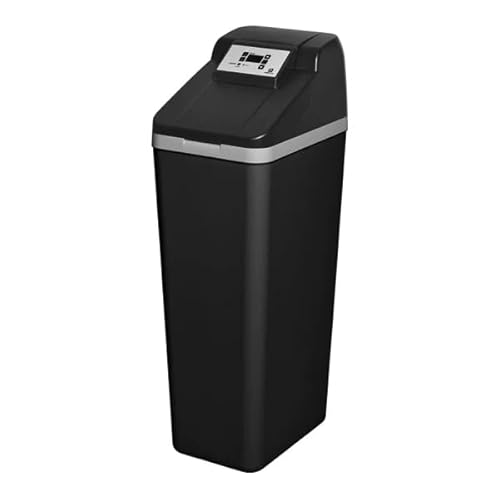
For a broad household range in a single-unit design, this model lists a fit of 1–5+ people and measures 47 3/4 inches high, 16 1/2 inches wide and 19 3/4 inches deep. North Star says its AutoSense technology monitors water use to set regeneration frequency, and a flashing low-salt monitor gives a few days’ notice to refill. Those features can help owners keep up with salt and regeneration without choosing a separate tank system. Its 31,300-grain capacity is lower than the larger models here, so homes with high hardness or heavy use should size carefully rather than rely on household count alone.
Bottom line: Pick this if its capacity suits your measured demand and you want a single-unit layout.
North Star NSC42 42,055-Grain

The NSC42 stands out for its hardness-removal rating of 120 grains per gallon and its 11-ppm iron-removal rating, alongside 42,055-grain capacity. North Star says AutoSense monitors water use to produce soft water as needed. The maker also identifies NSF certification for reducing hard-water scale. At 48 inches high, 17 inches wide and 21 inches deep, it is a little larger than the NSC31, so confirm the installation area can accommodate its dimensions. Its household range is 1–6+ people, but measured hardness and daily use still determine whether its capacity is suitable.
Bottom line: Choose this when the hardness and iron ratings match your water conditions.
North Star NST70ED1 70,000-Grain

The NST70ED1 has the highest capacity among these residential options at 70,000 grains and uses separate resin and brine tanks. North Star says AutoSense monitors water use to determine regeneration frequency, with the aim of minimizing salt and water use. The resin tank and electronics measure 65 3/4 inches high by 12 1/4 inches wide; the brine tank is 39 inches high by 18 inches wide. That two-tank arrangement needs space for both components, and the dimensions do not include a combined installation footprint. It is intended for medium to large households, but high capacity alone does not replace sizing from actual hardness and usage.
Bottom line: Pick this for a medium or large household that can fit two tanks and needs its capacity.
North Star NST45ED1 45,300-Grain

The NST45ED1 is the two-tank option here explicitly identified for either city or well water, with 45,300-grain capacity and a 1–6+ person household range. Its resin tank and electronics measure 50 inches high by 10 1/2 inches wide, while its brine tank is 39 inches high by 18 inches wide. These are separate components, so plan space for both tanks and the plumbing connection rather than comparing only the resin tank width. The fit range is broad, but this model has less capacity than the 70,000-grain two-tank unit; homes with greater demand should calculate their daily grain load before choosing.
Bottom line: Choose this if you need a two-tank system for city or well water and its capacity fits.
How to Size a North Star Water Softener
Size a softener by daily hardness load, not by household headcount alone. Multiply water hardness in grains per gallon by estimated daily use in gallons to get grains of hardness per day; a common planning estimate is 75 gallons per person per day, though household habits can shift that. For example, 4 people using 75 gallons each with 10-gpg water create about 3,000 grains of hardness demand per day. Multiply that by the desired interval between regenerations to estimate capacity needs, then account for the unit’s efficient operating capacity rather than assuming its maximum grain rating is the normal setting. If you do not know hardness, use a test result from the water source before selecting a capacity.
What Capacity Means for Regeneration
Capacity describes how many grains of hardness a resin bed can capture before regeneration; it does not mean the unit removes that amount every day. Higher hardness or greater water use fills the resin sooner and triggers more frequent regeneration. A useful comparison is daily grain demand: a 42,000-grain unit facing 3,000 grains of daily load would reach that theoretical capacity in 14 days, before considering usable capacity and reserve. Compare systems using the same hardness and usage assumptions, and avoid selecting solely from the maximum grain figure. Regeneration also uses salt and sends brine to a drain, so verify that the planned installation has suitable drain access and follows local plumbing requirements.
Single-Tank and Two-Tank Softener Layouts
A single-unit cabinet or compact assembly can simplify space planning, while a two-tank system separates the resin vessel from the brine tank. The North Star models in this comparison include both layouts, so measure the full installation area, including room to load salt and reach controls or connections. Keep in mind that component width is not the same as the space needed for plumbing and service access. As a practical rule, if the available area is narrower than the tank width plus room for connections, choose a different location or configuration rather than forcing a tight fit. Check the drain route and bypass access at the same time; neglecting either can complicate installation and future maintenance.
Hardness, Iron and Salt Checks
Water testing is essential when iron is present because a softener’s suitability depends on both hardness and iron concentration. The NSC42 lists a specific iron-removal rating; the other models here do not provide a comparable figure, so verify water conditions against the chosen unit’s requirements before ordering. Salt-based softeners need periodic salt replenishment, and bridging can leave a hollow crust over the salt that blocks brine formation even when the tank looks full. Break up a bridge carefully and inspect the tank when softening performance changes. Do not add salt until you have checked for a bridge, and keep the brine tank accessible for routine inspection.
Frequently Asked Questions
How do I calculate the grain capacity my home needs?
Multiply hardness in grains per gallon by daily water use in gallons to estimate grains of hardness per day. A planning estimate of 75 gallons per person daily gives a four-person home about 300 gallons of use; at 10 gpg that is roughly 3,000 grains per day before reserve and operating adjustments.
How often does a North Star softener regenerate?
Regeneration frequency depends on the hardness load and the unit’s settings, so there is no single interval for every home. At 3,000 grains of daily load, a system with 30,000 usable grains would have a theoretical 10-day interval before reserve capacity and settings are considered.
Can a water softener remove iron from well water?
Some softeners are rated for limited iron removal, but the allowable amount differs by model and water conditions. Test well water for iron and compare the result with the unit’s specific rating; the NSC42 lists an 11-ppm iron-removal rating.
What causes a salt bridge in a brine tank?
A salt bridge is a hardened crust that forms above a hollow space, preventing salt from making brine. Check for one when the tank appears to contain salt but softening performance has changed, and break it carefully without damaging the tank.
Does a water softener need a drain connection?
A salt-based softener needs a drain route for regeneration discharge, along with a suitable connection and an air gap where required by plumbing code. Confirm the intended location has a compliant drain before installation.