
SRAM SuperCork Bar Tape: Colors and Fit Compared

SRAM SuperCork bar tape suits riders who want synthetic-cork tape with 3M adhesive, and color is the clearest difference among the available SRAM options.
We earn a commission if you buy through links on this page. As an Amazon Associate I earn from qualifying purchases. Products are compared on manufacturer specifications, not hands-on testing.
- Best overall: SRAM SuperCork White – White synthetic-cork tape with 3M adhesive offers the same material and fastening approach as the other SRAM colors.
- Best for blue bikes: SRAM SuperCork Blue – Blue synthetic-cork tape has 3M adhesive for a secure wrap.
- Best for pink accents: SRAM SuperCork Pink – Pink synthetic-cork tape brings the same material and adhesive in a distinct color.
- Best for yellow accents: SRAM SuperCork Yellow – Yellow synthetic-cork tape is the color option for a bright handlebar finish.
| Product | Best for | Color | Shop |
|---|---|---|---|
| SRAM SuperCork White | White bar tape | White | Check Price on Amazon |
| SRAM SuperCork Blue | Blue accents | Blue | Check Price on Amazon |
| SRAM SuperCork Pink | Pink accents | Pink | Check Price on Amazon |
| SRAM SuperCork Yellow | Yellow accents | Yellow | Check Price on Amazon |
SRAM SuperCork Bar Tape Compared
These picks differ mainly by color, while the alternative adds gel lining and includes finishing accessories.
SRAM SuperCork White
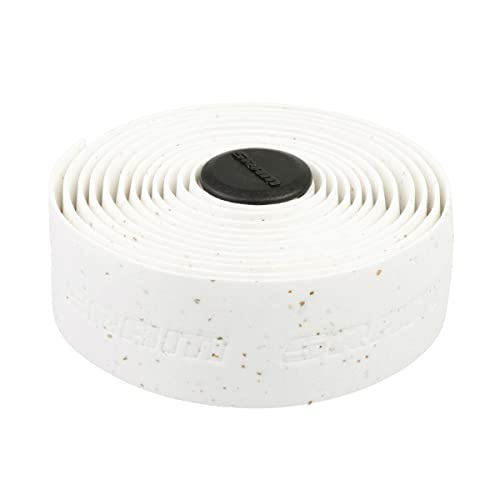
White is the defining distinction of this SuperCork option; it otherwise shares the synthetic-cork construction and 3M adhesive described for the other SRAM colors. The tape is presented as lightweight and durable, intended as an all-purpose road handlebar wrap. It suits a rider matching white tape to a light or coordinated build. The trade-off is practical: white shows grime more readily than darker colors, so it matters most to riders who want a consistently clean-looking cockpit and are willing to wipe it down.
Bottom line: Choose it when white is the color you want and regular cleaning is acceptable.
SRAM SuperCork Blue

Blue separates this version from the white, pink and yellow SRAM choices, while its construction remains synthetic cork with 3M adhesive. The brand describes the tape as lightweight and durable, with a comfortable, responsive feel for road riding. It suits a bike that needs a blue accent without switching away from the SuperCork material. The limitation is that color choice does not provide a different cushioning specification; riders seeking a defined gel layer should consider a gel-lined alternative instead.
Bottom line: Pick it to coordinate blue accents while keeping the synthetic-cork format.
SRAM SuperCork Pink

Pink gives this SuperCork version a more distinctive appearance than the white, blue or yellow choices. Its build is synthetic cork with 3M adhesive, and the brand presents it as lightweight, durable all-purpose bar tape. That makes it suitable for riders who want the color to stand out without choosing a different tape category.
Bottom line: Choose it for pink color and the standard SuperCork material-and-adhesive setup.
SRAM SuperCork Yellow

Yellow is the distinguishing feature of this SuperCork option, intended for riders who want a vivid handlebar color. It uses synthetic cork and 3M adhesive like the other SRAM colors, and the brand describes it as lightweight and durable for all-purpose use. The product features also claim high visibility, but tape color is not a substitute for lights or reflective equipment in low light. Choose it for a bright visual accent; riders seeking a muted setup or a gel layer should look elsewhere.
Bottom line: Pick it for yellow tape, but rely on proper lights and reflectors for visibility.
How to choose SRAM SuperCork bar tape
Choose among SRAM SuperCork colors by the look you want; the SRAM options share synthetic cork and 3M adhesive. Bar tape is a flexible strip spiraled around a drop handlebar from the bar ends toward the stem, with overlap controlling how much handlebar remains covered. A tighter overlap uses less tape but leaves less margin for a neat finish; a wider overlap uses more. Most road bars are wrapped in opposing directions on each side so hand pressure tends to tighten rather than unwind the wrap. If maximum vibration cushioning is the priority, compare padding type rather than color: gel-lined tape is a distinct construction from the SRAM choices here.
Avoid stretching tape hard at bends, which can thin or tear it; small, even overlaps help keep the surface consistent.
What synthetic cork and gel tape change
Synthetic-cork tape and gel-lined tape differ in material and cushioning approach. Cork-like surfaces can offer a textured hand feel, but comfort also depends on bar shape, wrap thickness, gloves and hand position. Gel layers add material beneath the wrap, which can change bulk at the tops and drops. The SRAM feature claims describe comfort and grip, but give no layer thickness or measured vibration reduction; do not infer a specific cushioning amount from the material name alone.
The table separates the constructions and finish choices so the color decision is not confused with a padding change.
| Choice | Construction | Best fit |
|---|---|---|
| SRAM SuperCork | Synthetic cork, 3M adhesive | Color-matched wrap |
| Cinelli Cork Gel | EVA, real cork, gel lining | Gel-layer cushioning |
How to wrap drop handlebars neatly
Start at the bar ends and wrap toward the stem, keeping each turn under even tension and overlapping the previous turn consistently. Many road riders use roughly one-third to one-half tape-width of overlap; the exact amount depends on handlebar shape and how much tape is available. Cover the bar-end opening with the tape tail before inserting the plug, and use small relief pieces at the brake-lever clamps to avoid gaps. Finish near the stem with finishing tape or the finish pieces when included. Check that the wrap does not cover shifter or brake pivots, pinch cables, or move when firmly gripped; safe brake operation matters more than a perfectly uniform appearance.
Frequently Asked Questions
How often should bicycle handlebar tape be replaced?
Replace bar tape when it is torn, slipping, or too compressed to grip comfortably; there is no universal mileage interval. Riders in rain or who sweat heavily may need to replace or clean tape sooner because moisture and grime can reduce grip.
How much overlap should bar tape have?
A common road-bike wrap overlaps each turn by about one-third to one-half of the tape width. Bar shape and available tape length affect the right overlap, so keep it even rather than pulling hard to stretch the material.
Can handlebar tape be wrapped over old tape?
Wrapping over old tape adds bulk and can hide loose or damaged sections, so remove worn tape first for a more reliable grip. Check the bar surface and brake-lever clamp area before installing fresh tape.
Does bar tape color improve bike visibility?
Bright tape can make the handlebar more noticeable in daylight, but it does not replace front and rear lights or reflective gear in low-light conditions. Use lights and reflectors for visibility rather than relying on yellow tape alone.