
Viral Japanese Hair Masks Compared by Formula and Fit

For a Japanese-inspired mask with a botanical oil blend and a light cherry blossom scent, choose Ichikami Premium Hair Treatment Mask; GASHINA STORY Honey Hair Mask is another Japanese hair-mask option with a honey focus. The term “viral” does not establish a shared formula or performance, so compare the ingredients and intended use instead.
Choose Elizavecca CER-100 Protein Treatment if a short, five-minute protein treatment better fits your routine, or amika Soulfood Nourishing Mask if your priority is general hydration rather than a Japanese-style mask.
We earn a commission if you buy through links on this page. As an Amazon Associate I earn from qualifying purchases. Products are compared on manufacturer specifications, not hands-on testing.
- Best overall: Ichikami Premium Hair Treatment Mask – The Japanese-inspired formula pairs safflower oil and plant-based ingredients with a light cherry blossom scent.
- Best for honey conditioning: GASHINA STORY Honey Hair Mask – The Japanese honey hair mask is positioned for dry, frizzy, or damaged hair.
- Best for quick treatment: Elizavecca CER-100 Protein Treatment – The product describes a five-minute in-home protein treatment.
| Product | Best for | Size | Formula focus | Stated hair-care goal | Shop |
|---|---|---|---|---|---|
| Ichikami Premium Hair Treatment Mask | Botanical oil care | 7.05 oz | Safflower and plant-based ingredients | Soft, smooth feel | Check Price on Amazon |
| GASHINA STORY Honey Hair Mask | Frizz-prone hair | 4.58 fl oz | Honey-focused mask | Dry, frizzy, damaged hair | Check Price on Amazon |
| Elizavecca CER-100 Protein Treatment | Quick protein care | 3.38 fl oz | Ceramide 3 and collagen ingredients | Damaged, over-processed hair | Check Price on Amazon |
| amika Soulfood Nourishing Mask | Hydration focus | 8 fl oz | Moisturizing formula | All hair types, especially dry | Check Price on Amazon |
Viral Japanese Hair Masks and Related Treatments
Compare each option by its formula focus and the hair-care goal it is intended to serve.
Ichikami Premium Hair Treatment Mask

Ichikami Premium Hair Treatment Mask stands out for its Japanese-inspired positioning, botanical oil blend, and light cherry blossom scent. The 7.05-ounce mask contains safflower oil and plant-based ingredients. The maker says it leaves hair feeling soft, smooth, hydrated, and easier to style, with a rich cream texture that rinses clean without heavy residue. It suits someone looking for a scented conditioning mask rather than a specifically protein-focused treatment. The formula’s focus is softness and manageability, so buyers seeking the five-minute protein treatment described for Elizavecca CER-100 Protein Treatment should compare that option instead.
Bottom line: Pick this if a botanical oil blend and floral scent match your conditioning preferences.
GASHINA STORY Honey Hair Mask

GASHINA STORY Honey Hair Mask is the honey-focused Japanese hair mask in this group, in a 4.58-ounce size. Its product name identifies it as “Step 1.5,” and its purpose is deep conditioning and hydration for dry, damaged, and frizzy hair. The maker says the mask smooths frizz and flyaways and leaves hair soft and shiny. This is a fit for shoppers drawn to a honey mask and smoothing goal, rather than a botanical oil blend or protein treatment.
Bottom line: Choose this for a honey-focused mask aimed at smoothing frizz.
Elizavecca CER-100 Protein Treatment
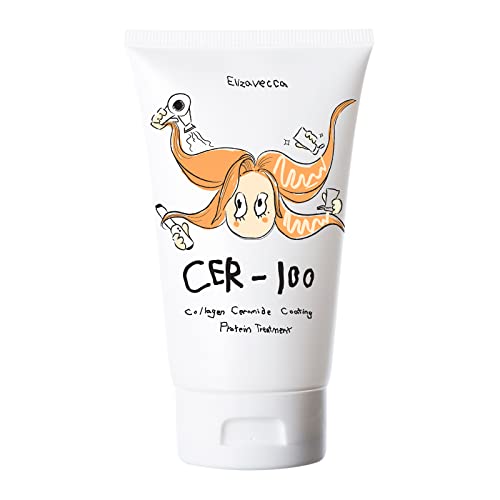
Elizavecca CER-100 Protein Treatment differs from the Japanese-style masks because it is presented as a protein treatment with ceramide 3 and collagen ingredients, not a Japanese hair mask. The 3.38-ounce product describes a five-minute in-home treatment and recommends it for hair damaged by intense heat or sun exposure. The maker says it is intended for damaged, over-processed hair of all textures, while also noting that results may vary from user to user. It suits someone prioritizing a short treatment for stressed hair; its smaller size and protein treatment focus make it less aligned with shoppers seeking a Japanese-inspired botanical or honey mask.
Bottom line: Pick this if a short protein treatment matters more than Japanese-style positioning.
amika Soulfood Nourishing Mask
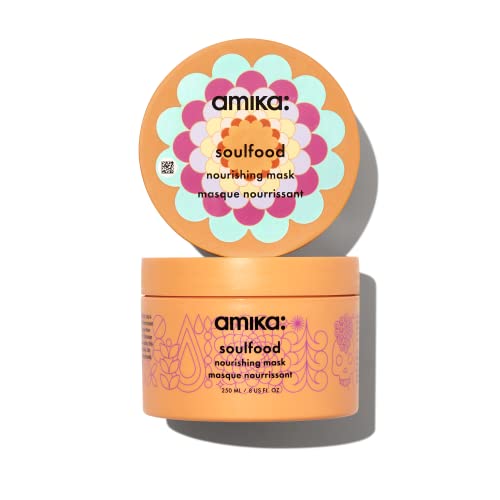
amika Soulfood Nourishing Mask is a general nourishing hair mask rather than a Japanese-style option, and its 8-ounce size is larger than Ichikami Premium Hair Treatment Mask, Elizavecca CER-100 Protein Treatment, and GASHINA STORY Honey Hair Mask. The maker describes its formula as rich and moisturizing, with vitamins and nutrients, and says it helps leave hair manageable, soft, and shiny. It is positioned for all hair types, especially hair needing deep hydration. This makes it a reasonable comparison for shoppers whose priority is moisture rather than a particular regional style or protein treatment. Its focus is hydration, so it is not the closest match for someone specifically seeking a Japanese hair mask.
Bottom line: Choose this if hydration is your main goal and Japanese-style positioning is not essential.
How to choose a Japanese hair mask
Start with the conditioning goal, then compare formula cues and product size. Hair masks are generally richer conditioning treatments than rinse-out conditioners; many routines use a mask about once weekly, adjusting frequency for hair feel and the product’s directions. Dry, coarse, or chemically processed hair may call for a richer conditioning step, while fine hair can feel weighed down by frequent heavy treatments. A useful decision rule is to begin with one weekly use, then reduce frequency if hair feels coated or limp. Choose a product marketed for the concern you actually have: moisture and softness are different goals from a protein-focused treatment. Scent and format also matter for regular use, so compare those alongside the hair-care goal rather than treating “viral” as a formula category.
What Japanese hair mask labels tell you
“Japanese” can refer to a product’s origin, style, or inspiration; the phrase alone does not guarantee a particular ingredient or standard. Read the named formula cues and intended use instead. A mask described with botanical oils suggests a conditioning focus, while a product named as a protein treatment sets a different expectation. Product size also helps estimate routine fit: convert fluid ounces to milliliters when comparing containers, with 1 fluid ounce equal to about 29.6 milliliters. A 4-ounce container is roughly 118 milliliters. Ingredient names do not establish their concentration or how a specific head of hair will respond. If you have a known ingredient sensitivity, check the complete ingredient label before use rather than relying on a headline ingredient.
How to use a hair mask without overdoing it
Apply a rinse-out mask after shampooing, focusing on the lengths and ends unless its directions say otherwise. Many masks are left on for a few minutes, but the appropriate time depends on the product; the five-minute timing described for Elizavecca CER-100 Protein Treatment should not be assumed for other masks. Start with a small amount and spread it evenly: using more product does not necessarily improve conditioning and can leave hair feeling heavy. Most people can begin with a weekly mask session, then adjust based on whether the hair feels dry or coated. Keep rinse-out treatments out of the eyes, and stop use if irritation occurs. Do not leave a rinse-out mask in the hair unless its directions explicitly say it is a leave-in product.
Hair mask types compared by purpose
Choose by purpose rather than by broad claims about popularity. A moisturizing mask targets softness and manageability; a protein treatment is positioned around strengthening or repairing damaged-feeling hair, though the result depends on the formula and hair. A toning mask is a separate category for adjusting unwanted color tones, not a substitute for a general conditioning mask. Using the wrong type can frustrate the goal: a toning product will not necessarily provide the same conditioning focus as a moisture mask. The table below is a practical starting point, not a guarantee of results.
| Need | Product type | Key consideration |
|---|---|---|
| Dry-feeling lengths | Moisturizing mask | Use sparingly if hair is fine or easily weighed down |
| Damage-focused care | Protein treatment | Follow the product’s timing and directions |
| Unwanted yellow tones | Purple toning mask | Color toning is distinct from general conditioning |
Frequently Asked Questions
How often should I use a hair mask?
A weekly use is a common starting point for a rinse-out hair mask. Reduce frequency if hair feels coated or limp, and follow the product’s directions.
Should I apply a hair mask before or after conditioner?
A rinse-out hair mask is commonly used after shampooing in place of conditioner for that wash. Some routines add conditioner afterward, but a rich mask may be enough on its own; follow the directions for the specific product.
How long should I leave a hair mask on?
Use the timing on the product directions because formulas differ. A five-minute treatment time is described for Elizavecca CER-100 Protein Treatment, but that timing should not be assumed for another mask.
Can I use a hair mask on fine hair?
Yes, but start with a small amount on the mid-lengths and ends because rich conditioning products can weigh fine hair down. Reduce use if the hair feels limp or coated.
Are protein treatments the same as moisturizing masks?
No; protein treatments and moisturizing masks are positioned for different conditioning goals. Choose based on the product’s purpose, and avoid assuming that a mask labeled for moisture provides the same focus as a protein treatment.