
Bubchen Tooth Powder: Similar Powders Compared

Bubchen tooth powder is not among these options, so MySmile Nano Hydroxyapatite Tooth Powder is the closest fit if you want a hydroxyapatite powder for sensitive teeth. Choose another powder if you prioritize a larger 2.7-ounce container, purple color-correction claims or a peppermint formula.
We earn a commission if you buy through links on this page. As an Amazon Associate I earn from qualifying purchases. Products are compared on manufacturer specifications, not hands-on testing.
- Best overall: MySmile Nano Hydroxyapatite Tooth Powder – Pairs nano hydroxyapatite with a gentle-polish positioning for sensitive teeth.
- Best for larger supply: Enamel Safe Whitening Tooth Powder – The 2.7-ounce container is larger than the other products with ounce sizes.
- Best for peppermint: Living A Herbal Life Whitening Tooth Powder – Peppermint essential oil and a 2-ounce size distinguish this option.
| Product | Best for | Key ingredients | Size | Flavor or finish | Shop |
|---|---|---|---|---|---|
| MySmile Nano Hydroxyapatite Tooth Powder | Sensitive teeth | Nano hydroxyapatite | 1.23 oz | Mint | Check Price on Amazon |
| Made by Dentists Whitening Powder | Whitening blend | Hydroxyapatite, PAP, diamond powder | 1 oz | — | Check Price on Amazon |
| Living A Herbal Life Whitening Tooth Powder | Peppermint routine | Calcium-rich minerals | 2 oz | Peppermint | Check Price on Amazon |
| Purple Brightening Tooth Powder | Tone correction | Calcium carbonate, dicalcium phosphate | 1.23 oz | Mint; purple | Check Price on Amazon |
| Enamel Safe Whitening Tooth Powder | Peroxide-free blend | PAP, hydroxyapatite, calcium carbonate | 2.7 oz | — | Check Price on Amazon |
Tooth Powder Alternatives to Bubchen
These powders differ in their polishing ingredients, stated size and approach to brightening.
MySmile Nano Hydroxyapatite Tooth Powder

For a gentle-polish approach with nano hydroxyapatite, MySmile Nano Hydroxyapatite Tooth Powder is positioned for people with sensitive teeth. The powder is fluoride-free and marketed as a toothpaste alternative for routine brushing; its claims focus on lifting everyday surface stains rather than bleaching. The 1.23-ounce container is smaller than the 2-ounce and 2.7-ounce options here. Buyers seeking a specifically minty routine may find the flavor relevant, while anyone who wants a larger supply should compare container size before choosing.
Bottom line: Choose this if a nano-hydroxyapatite powder aimed at sensitive teeth is your priority.
Made by Dentists Whitening Powder
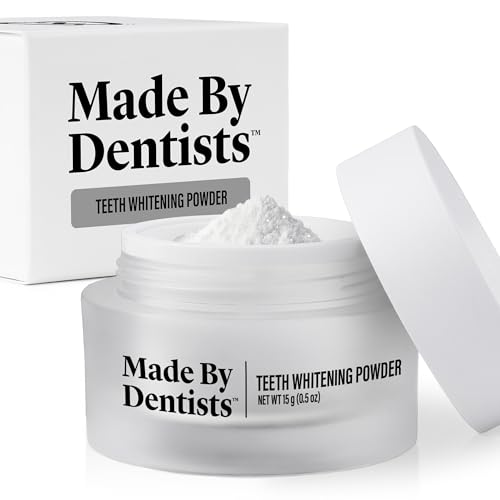
Made by Dentists Whitening Powder stands apart with a combination of hydroxyapatite, PAP, diamond powder and hydrogen peroxide. The maker positions it as a whitening powder that can be mixed with toothpaste, rather than a simple powder-only routine. At 1 ounce, it has the smallest size among these choices. The peroxide-containing formula matters to shoppers seeking a peroxide-free option; consider the ingredient combination carefully if avoiding hydrogen peroxide is important.
Bottom line: Pick this if you want its multi-ingredient whitening blend and are comfortable with peroxide.
Living A Herbal Life Whitening Tooth Powder
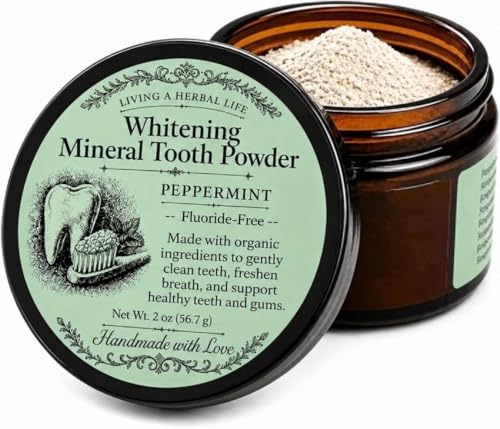
Living A Herbal Life Whitening Tooth Powder is the peppermint-forward choice, with peppermint essential oil and calcium-rich, naturally derived minerals. Its 2-ounce container is larger than the 1-ounce and 1.23-ounce powders, though smaller than the 2.7-ounce option. The maker describes it as fluoride-free, gluten-free and vegan, and its use directions call for wetting a toothbrush, dipping it lightly into the powder, brushing and rinsing. Shoppers seeking a formula centered on a named active such as hydroxyapatite should compare ingredient priorities before deciding.
Bottom line: Choose this for a peppermint-centered powder in a 2-ounce container.
Purple Brightening Tooth Powder

Purple Brightening Tooth Powder uses a purple color-correction approach, which distinguishes it from powders focused on hydroxyapatite or minerals. The formula includes calcium carbonate and dicalcium phosphate, and the maker says its purple color neutralizes yellow tones visually. It is a 35-gram powder with mint flavor. This approach is about the appearance of tooth color, so shoppers seeking a formula explicitly centered on hydroxyapatite or a larger container may prefer a different fit.
Bottom line: Pick this if purple color correction is the feature you want.
Enamel Safe Whitening Tooth Powder

Enamel Safe Whitening Tooth Powder has the largest container at 2.7 ounces and combines PAP, hydroxyapatite, calcium carbonate and pearl powder. Its formula is described as fluoride-free and free of hydrogen peroxide and carbamide peroxide, setting it apart from the peroxide-containing blend. The maker positions it for daily surface-stain polishing. Flavor is not a differentiator supplied for this option, so shoppers who strongly prefer a specific taste should weigh the ingredients and size against that preference.
Bottom line: Choose this for the largest container and a whitening blend without peroxide.
How to choose a tooth powder
Choose a tooth powder by its active ingredients, abrasives and intended role in your routine. Powders may use polishing ingredients to remove surface deposits, while ingredients such as hydroxyapatite are included for enamel-focused positioning; these are not interchangeable claims. Tooth powders are not automatically a replacement for fluoride toothpaste, and the American Dental Association recommends fluoride toothpaste for cavity prevention. If cavity protection is a priority, keep an ADA-accepted fluoride toothpaste in your routine unless your dental professional advises otherwise.
For a measurable selection rule, choose a fluoride-free option only if you are already comfortable with your cavity-prevention plan; otherwise favor a fluoride toothpaste for routine brushing. Do not assume that terms such as “natural,” “remineralizing” or “enamel safe” establish a standardized level of abrasiveness or cavity protection.
Tooth powder ingredients and brightening claims
Whitening powders generally target extrinsic stains on the tooth surface, not the internal color of teeth. Surface stains can come from coffee, tea, red wine and tobacco; peroxide-based products may use a different whitening mechanism from polishing powders. Purple formulas aim to visually counter yellow tones rather than physically change tooth color. The distinction matters when choosing between the purple option and formulas with PAP, peroxide or hydroxyapatite.
Powder ingredients do not reveal a product’s relative abrasivity by themselves. Ask a dental professional before using an abrasive whitening product if you have exposed roots, enamel wear or persistent sensitivity. Stop use and seek dental advice if brushing causes pain or irritation.
Using tooth powder in a daily routine
Use a soft-bristled toothbrush and gentle pressure for two minutes, twice a day; brushing harder does not clean better and can contribute to gum recession and enamel wear. Keep the brush lightly damp and avoid loading it with excess powder, since powders can scatter and a heavy deposit is unnecessary. Rinse the brush after use and keep the container dry and closed to limit moisture getting into the powder.
For children under 6, adult supervision helps prevent swallowing toothpaste or powder, and children should use only a small amount of fluoride toothpaste. Tooth powders vary in composition, so do not assume a fluoride-free powder meets a child’s cavity-prevention needs.
Tooth powder versus fluoride toothpaste
Fluoride toothpaste remains the standard daily choice for cavity prevention, while a tooth powder may emphasize polishing, flavor or whitening. The practical decision is whether the powder contains fluoride and whether its role fits your dental routine. The options here include several fluoride-free formulas, so check the product label before using one as your only brushing product.
| Routine need | What to prioritize |
|---|---|
| Cavity prevention | Fluoride toothpaste |
| Surface stain polishing | Powder with polishing ingredients |
| Peroxide avoidance | Formula that explicitly excludes peroxide |
| Purple tone correction | Purple-color powder |
Frequently Asked Questions
Does tooth powder replace fluoride toothpaste?
Not necessarily; fluoride toothpaste is the established daily option for cavity prevention. If a powder is fluoride-free, maintain a cavity-prevention routine that suits your dental risk and professional advice.
Can tooth powder whiten coffee stains?
Polishing powders may help lift surface stains from coffee and tea, but they do not change the internal color of teeth. Deep or persistent discoloration needs a dental evaluation to identify its cause.
How often should I brush with tooth powder?
Brush twice daily for about two minutes, using gentle pressure and a soft-bristled brush. Avoid scrubbing harder to chase brighter results, since excess force can harm gums and tooth surfaces.
Is hydroxyapatite the same as fluoride?
No; hydroxyapatite and fluoride are different ingredients with different roles in oral-care products. Fluoride toothpaste has an established role in cavity prevention, so do not assume a hydroxyapatite powder provides equivalent protection.
Should children use tooth powder?
Children under 6 should brush with adult supervision and use only a small amount of fluoride toothpaste. Ask a dentist before substituting a fluoride-free powder for a child’s routine.