
ATS Chemical 505 CRF: Fuel Treatment Compared

For gasoline or diesel fuel, choose ATS Chemical 505 CRF Fuel Treatment, 16 oz or ATS Chemical 505 CRF with Anti-Spill Spout: both are ATS Chemical 505 CRF treatments for 5 to 20 gallons, and ATS Chemical 505 CRF with Anti-Spill Spout includes an anti-spill spout. The 505 CRF is a fuel-system treatment; choose a different product only if you want an oil-system additive rather than a product for the fuel tank.
Confirm the appropriate dose for your tank size before pouring, since the treatment range alone does not give a dose for each volume.
We earn a commission if you buy through links on this page. As an Amazon Associate I earn from qualifying purchases. Products are compared on manufacturer specifications, not hands-on testing.
- Best overall: ATS Chemical 505 CRF Fuel Treatment, 16 oz – Treats 5 to 20 gallons of gasoline or diesel and is identified as a 16-ounce fuel treatment.
- Best for spill control: ATS Chemical 505 CRF with Anti-Spill Spout – The 16-fluid-ounce fuel treatment includes a screw-on anti-spill spout.
| Product | Best for | System | Capacity | Treatment range | Shop |
|---|---|---|---|---|---|
| ATS Chemical 505 CRF Fuel Treatment, 16 oz | Gasoline or diesel | Fuel | 16 oz | 5–20 gal | Check Price on Amazon |
| ATS Chemical 505 CRF with Anti-Spill Spout | Controlled pouring | Fuel | 16 fl oz | 5–20 gal | Check Price on Amazon |
| ATS Chemical 505 CRO Oil Treatment, 12 oz | Oil-system concerns | Oil | 12 oz | — | Check Price on Amazon |
| ATS Chemical 505 CRO Oil Treatment Cling | Oil service reminder | Oil | 12 fl oz | — | Check Price on Amazon |
ATS Chemical 505 CRF fuel treatments and alternatives
Compare the fuel treatments with the oil-system products by the engine system each is made for.
ATS Chemical 505 CRF Fuel Treatment, 16 oz
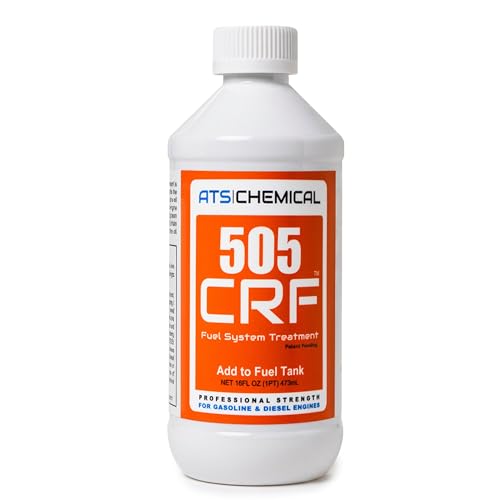
ATS Chemical 505 CRF Fuel Treatment, 16 oz is the 16-ounce ATS Chemical 505 CRF fuel treatment for gasoline or diesel, with the same 5-to-20-gallon range as the spout version. The maker says its formula targets carbon deposits on port and direct injectors, induction ports, and induction valves. Its use is in the fuel system, so it suits someone seeking a fuel additive rather than an oil additive.
Bottom line: Pick this if you want the standard 16-ounce 505 CRF fuel treatment.
ATS Chemical 505 CRF with Anti-Spill Spout

ATS Chemical 505 CRF with Anti-Spill Spout stands out for its screw-on anti-spill spout, while retaining the 16-fluid-ounce size and 5-to-20-gallon treatment range. The maker says it is for gasoline or diesel and targets carbon deposits in injectors, induction ports, induction valves, and combustion chambers. Choose it when controlled pouring is a priority. The spout does not change its role: this is a fuel-system treatment, not an oil additive.
Bottom line: Choose this if a screw-on pouring spout matters.
ATS Chemical 505 CRO Oil Treatment, 12 oz

ATS Chemical 505 CRO Oil Treatment, 12 oz is an oil-system treatment, not the 505 CRF fuel additive, so it belongs in a comparison only for someone considering a different engine system. The maker associates it with sticking piston rings, lifters, camshaft phasers, oil control valves, timing-chain tensioners, and restricted lubricating screens. Its 12-ounce size distinguishes it from the 16-ounce CRF fuel treatments. It is aimed at oil-system concerns, and it is not the right choice for a buyer specifically seeking an additive poured into gasoline or diesel fuel.
Bottom line: Consider this only when the intended application is the oil system.
ATS Chemical 505 CRO Oil Treatment Cling

ATS Chemical 505 CRO Oil Treatment Cling pairs the 505 CRO oil-system treatment with a “Next Service Soon” static cling, making it distinct from the 505 CRF products intended for fuel. The maker lists the same oil-system concerns as the other 505 CRO option, including sticking lifters, piston rings, and timing-chain tensioners. Its container size is 12 fluid ounces. This choice is relevant for a buyer looking for an oil additive and reminder cling; it does not match a request for 505 CRF fuel treatment.
Bottom line: Choose this only if you want an oil additive with a service reminder cling.
How to choose an ATS Chemical 505 CRF treatment
Choose by system first: 505 CRF is the fuel-system treatment, while 505 CRO is an oil-system treatment. The two CRF options are both described for gasoline or diesel and for 5 to 20 gallons; the practical distinction is that one includes a screw-on anti-spill spout. A vehicle’s fuel-tank capacity determines whether the range applies, but tank capacity alone does not establish the right dose. Match the treatment amount to the quantity of fuel being treated and confirm the dose before pouring. Do not substitute an oil additive for a fuel additive: the products are intended for different systems, even though both refer to engine performance or deposits.
Fuel treatment range and tank sizing
The 505 CRF treatment range is 5 to 20 gallons, so compare the fuel amount in the tank—not just the vehicle’s advertised tank capacity—to that interval. A partially filled tank contains less fuel than its full capacity, and a larger vehicle may have more than one tank. The maker gives a range but no graduated dosing chart, so confirm the correct amount for the actual fuel volume before use. Pour fuel additives carefully with the engine off, and wipe up any spill promptly; gasoline vapors ignite readily. Keep additives in their original containers and away from children, heat, and flames.
Fuel additives versus oil-system treatments
Fuel additives are introduced to the fuel tank, whereas oil-system additives are intended for engine oil; the two should not be treated as interchangeable. The 505 CRF options are described for fuel and a 5-to-20-gallon range, while the 505 CRO products are identified as 12-ounce oil treatments. The CRO products are associated by the maker with sticking or restricted oil-system components, not injector deposits in fuel. Use the system named for the product and check the vehicle manual before adding any aftermarket treatment, especially if the vehicle is under warranty or has a specific fluid specification. A fuel-treatment claim does not establish that an oil treatment is appropriate.
What fuel-system deposits mean
Fuel injectors meter fuel into the engine, while induction ports and valves are part of the path air takes into the cylinders; gasoline direct-injection engines deliver fuel directly into the combustion chamber. Port-injection engines instead spray fuel into the intake port. Since these layouts differ, a claim about injector cleaning does not mean every engine has the same deposit locations. The maker says 505 CRF targets port and direct injectors and induction ports and valves, and the anti-spill-spout option also names combustion chambers. Deposit location and engine design matter when comparing a fuel treatment with maintenance specified for a particular vehicle.
Frequently Asked Questions
Can ATS Chemical 505 CRF be used in diesel fuel?
Yes, the 505 CRF fuel treatments are described for gasoline or diesel engines. Their treatment range is 5 to 20 gallons, so confirm the dose for the amount of fuel in the tank.
What is the difference between 505 CRF and 505 CRO?
505 CRF is a fuel-system treatment for gasoline or diesel, while 505 CRO is identified as an oil-system treatment. Choose according to the system needing an additive rather than substituting one for the other.
Does 505 CRF include a pouring spout?
One 505 CRF option includes a screw-on anti-spill spout, and the other is a 16-ounce fuel treatment without that feature named. The spout is useful when controlled pouring is a priority.
Are fuel additives safe to pour near a hot engine?
No; keep fuel additives and gasoline away from hot surfaces, sparks, and flames because gasoline vapors can ignite. Pour with the engine off and clean up spills promptly.