
Best Scotchgard for Shoes: 5 Protectors Compared

Scotchgard Fabric Water Shield, 13.5 oz is the Scotchgard pick for shoes because its fabric spray specifically includes canvas shoes among its uses. Choose another option if you need a protector aimed at several shoe materials or a non-aerosol formula.
We earn a commission if you buy through links on this page. As an Amazon Associate I earn from qualifying purchases. Products are compared on manufacturer specifications, not hands-on testing.
- Best overall: Scotchgard Fabric Water Shield, 13.5 oz – The Scotchgard fabric spray specifically names canvas shoes as a suitable use.
- Best for sneaker materials: Crep Protect Shoe Protector Spray – The spray is made for sneakers in leather, nubuck, suede, and canvas, with mesh remaining permeable.
- Best for non-aerosol use: Jason Markk Repel Spray, 5.4 oz – The water-based shoe spray uses a pump bottle and covers a range of materials, including knits and mesh.
| Product | Best for | Volume | Application | Named shoe materials | Shop |
|---|---|---|---|---|---|
| Scotchgard Fabric Water Shield, 13.5 oz | Canvas shoes | 13.5 oz | Aerosol spray | Canvas | Check Price on Amazon |
| Crep Protect Shoe Protector Spray | Mixed-material sneakers | 4.39 oz | Spray | Leather, suede, nubuck, canvas | Check Price on Amazon |
| Jason Markk Repel Spray, 5.4 oz | Non-aerosol treatment | 5.4 oz | Non-aerosol, water-based | Leather, suede, nubuck, knits | Check Price on Amazon |
| Scotchgard Outdoor Water Shield, 13 oz | Outdoor fabric shoes | 13 oz | Aerosol spray | Canvas, polyester, nylon | Check Price on Amazon |
| Shoe MGK Complete Shoe Care Kit | Full shoe care | — | Multiple care products | Sneakers, leather, dress shoes | Check Price on Amazon |
Scotchgard and Shoe Protector Sprays
Compare the intended footwear, spray format, and material coverage before choosing a protector.
Scotchgard Fabric Water Shield, 13.5 oz

Scotchgard Fabric Water Shield, 13.5 oz is the direct Scotchgard match for canvas shoes, while its primary use is broader fabric protection. The 13.5-ounce aerosol is also intended for clothing and household textiles, and the spray dries clear and odorless. That makes it a sensible choice if you want one fabric treatment for canvas footwear and other fabric items. Its shoe-material fit is narrower than products aimed at leather, suede, or knits, so choose another spray if those are the materials you need to protect.
Bottom line: Choose this for canvas shoes and other fabric items.
Crep Protect Shoe Protector Spray
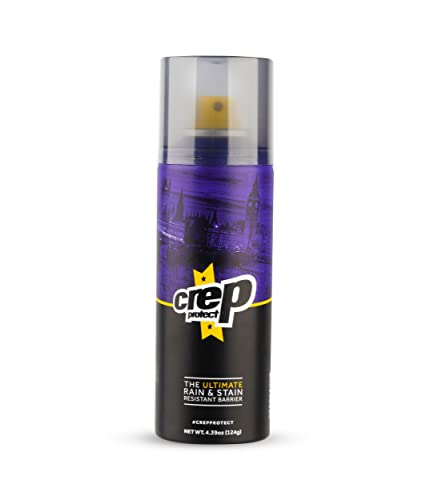
Crep Protect Shoe Protector Spray targets sneakers rather than general household fabrics, with named compatibility for leather, nubuck, suede, and canvas. The maker says its hydrophobic coating can last up to 4 to 5 weeks and recommends two coats; mesh remains permeable. Its material range makes it a more shoe-focused alternative to a general fabric spray. The container is smaller at 4.39 ounces, and the product is not Scotchgard, so it is a fit for shoppers prioritizing sneaker materials over brand.
Bottom line: Pick this for sneakers made from several listed materials.
Jason Markk Repel Spray, 5.4 oz

Jason Markk Repel Spray, 5.4 oz stands apart with a water-based, non-aerosol pump format and an explicit exclusion for unsealed and vegetable-tanned leather. It names leather, suede, nubuck, canvas, cotton, nylon, knit, woven, and mesh among its compatible materials. Apply it to clean, dry footwear from 6 to 8 inches away, coat evenly without oversaturating, and let the material dry completely before exposure to liquid or dirt. The leather exclusions matter: choose another option if your shoes use either excluded finish.
Bottom line: Choose this when a non-aerosol formula and broad material range matter.
Scotchgard Outdoor Water Shield, 13 oz

Scotchgard Outdoor Water Shield, 13 oz is Scotchgard’s outdoor-oriented fabric spray, not a shoe-specific product. Its named compatible fabrics include canvas, polyester, and nylon, and the maker says the treatment does not impede fabric breathability. The 13-ounce can may suit fabric footwear used outdoors when its material matches those fabrics. The product is framed around outdoor gear and fabrics, so it is a less direct footwear choice than a shoe-specific protector; avoid treating shoes made from materials outside its compatibility.
Bottom line: Consider this for outdoor canvas or nylon footwear.
Shoe MGK Complete Shoe Care Kit

Shoe MGK Complete Shoe Care Kit is a broader care kit rather than a standalone protector spray. It combines cleaner and conditioner, water and stain repellent, deodorizer, and a brush, with intended use across sneakers, leather, and dress shoes. That makes it the more relevant choice if shoe cleaning and freshening are part of the purchase as well as protection. The kit’s contents are a drawback if you only want a water-repellent spray, and its material range is less granular than the dedicated shoe sprays.
Bottom line: Pick this if you want cleaning and deodorizing alongside protection.
How to Choose a Shoe Protector Spray
Match the spray to the shoe material first, then consider the formula and intended use. Canvas, nylon, leather, suede, and knit uppers can respond differently to coatings, so a broad fabric spray should not be treated as universally compatible. Check the product’s material list and test a hidden area after cleaning and drying; a spot test can reveal unwanted color or texture changes before you coat a visible panel. Sprays can repel liquid without making footwear fully waterproof, especially where seams, openings, or permeable mesh let water through. For mesh sneakers, choose based on the product’s material fit and expect the mesh itself to remain a route for moisture.
Using Spray on Shoes Safely
Apply protectant to clean, dry shoes in a well-ventilated area, and keep the spray mist away from your face. Coating dirt or moisture can leave an uneven finish, while oversaturating can wet the upper without improving its protection. Use the product’s application distance and drying directions when provided; for example, the non-aerosol option here calls for 6 to 8 inches and complete drying. Do not wear treated shoes until they are fully dry. Aerosol products produce a fine mist, so avoid spraying near flames or heat and keep people and pets out of the spray area until the mist settles and the shoes dry.
Which Shoe Spray Fits Each Need
The best type depends on the shoe material and whether you want a dedicated footwear formula or a general fabric treatment. A shoe-specific protector may name leather, suede, or knits, while a fabric shield may be aimed at canvas and household textiles. Non-aerosol pumps avoid aerosol propellant but still create a spray mist; they are not a substitute for ventilation. Use this guide to narrow the type, then confirm that your exact upper material appears among the product’s compatible materials.
| Need | Type to consider |
|---|---|
| Canvas shoes and fabric items | Fabric water-repellent spray |
| Several sneaker materials | Shoe-specific protector spray |
| Avoiding aerosol format | Non-aerosol pump spray |
| Cleaning and protection together | Shoe-care kit |
When to Reapply Shoe Protector
Reapply when water stops beading or after cleaning, rather than assuming one treatment lasts for the life of a shoe. Wear, abrasion, and repeated exposure to rain can reduce a surface coating, especially at toe creases and high-contact areas. One sneaker spray here gives a maker-claimed duration of up to 4 to 5 weeks, but that is not a universal interval for every formula or shoe. Clean off dirt, let the shoes dry, and apply a fresh coat only as the product directs. A protector can reduce wetting and staining, but it cannot close seams or turn permeable mesh into a waterproof barrier.
Frequently Asked Questions
Can I use Scotchgard Fabric Water Shield on shoes?
The fabric spray specifically names canvas shoes, so canvas is its clearest footwear fit. It is not presented as a shoe-specific treatment for every upper material; check the material compatibility before applying it elsewhere.
Does shoe protector spray make sneakers waterproof?
No spray should be assumed to make a shoe fully waterproof. Mesh, seams, and openings can still let water through, and one sneaker spray explicitly notes that mesh remains permeable.
Should shoes be clean before applying protector spray?
Yes, start with clean, dry footwear so dirt is not sealed beneath the coating. A non-aerosol shoe spray here calls for applying from 6 to 8 inches away and letting the material dry completely.
How often should I reapply sneaker protector?
Reapply when water no longer beads or after cleaning, because wear and abrasion gradually reduce surface coatings. One sneaker spray’s maker claims up to 4 to 5 weeks of treatment life, but exposure and material affect the interval.
Can protector spray change the look of suede?
It can affect color or texture, so test a small hidden spot and let it dry before treating the whole shoe. Avoid using any formula on a material that its compatibility guidance excludes.