
Gel Pads for Pressure Sores: Cushion Types Compared

For a gel seat cushion marketed for pressure sore prevention, Gel Wheelchair Cushion, 18 x 16 in is the closest match because it combines a 3-inch profile with a pressure-relief zoning design. Choose a different pad if you need a breathable honeycomb seat cushion, or a sacral wound dressing rather than a cushion.
Gel seat cushions sit on a chair to distribute seating pressure; they are not a substitute for clinical assessment or wound care. A sore that is open, worsening, or painful needs guidance from a healthcare professional.
We earn a commission if you buy through links on this page. As an Amazon Associate I earn from qualifying purchases. Products are compared on manufacturer specifications, not hands-on testing.
- Best overall: Gel Wheelchair Cushion, 18 x 16 in – Its 3-inch seat cushion has a cross-shaped zoning design and is explicitly marketed for bedsore prevention.
- Best for larger seats: Jumbo Gel Seat Cushion, 19 x 17.92 in – At 19 by 17.92 inches, it offers the largest seating footprint among the gel cushions.
- Best for wound coverage: Sacral Silicone Foam Dressing, 7 x 7 in – This is a sacral foam dressing rather than a chair cushion, with a 7-by-7-inch format.
| Product | Best for | Size | Thickness | Design or format | Shop |
|---|---|---|---|---|---|
| Gel Wheelchair Cushion, 18 x 16 in | Pressure-relief seating | 18 x 16 in | 3 in | Zoned gel memory foam | Check Price on Amazon |
| Jumbo Gel Seat Cushion, 19 x 17.92 in | Larger seat coverage | 19 x 17.92 in | 1.65 in | Honeycomb gel | Check Price on Amazon |
| Honeycomb Gel Seat Cushion, 18.51 x 17.33 in | Cooling seat comfort | 18.51 x 17.33 in | 1.51 in | Double-layer honeycomb gel | Check Price on Amazon |
| Thick Gel Seat Cushion, 18.9 x 17.7 in | Thicker gel seating | 18.9 x 17.7 in | 1.6 in | Double-layer honeycomb gel | Check Price on Amazon |
| Sacral Silicone Foam Dressing, 7 x 7 in | Sacral wound dressing | 7 x 7 in | — | Four-layer foam, silicone border | Check Price on Amazon |
Gel Pads for Pressure Sores Compared
Choose by intended use first: a seat cushion supports seated positioning, while a dressing covers a wound.
Gel Wheelchair Cushion, 18 x 16 in
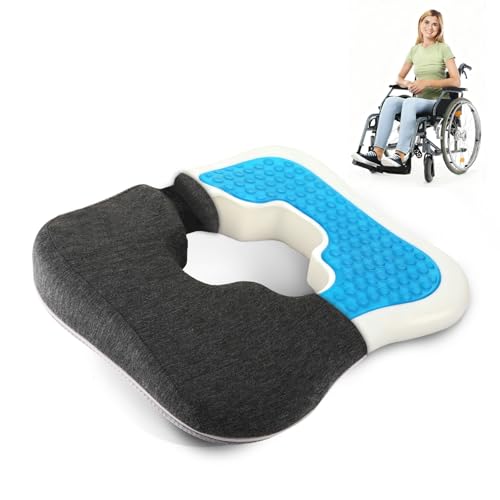
Unlike the honeycomb-only seat pads, this 18-by-16-inch cushion uses a cross-shaped zoning design and a 15-degree slope. The cushion is made with memory foam and is marketed for pressure relief and bedsore prevention; those are manufacturer claims, not a guarantee that it prevents an injury. Its 3-inch profile may suit a buyer who wants more height than the thinner gel cushions here. Measure the chair seat before choosing it, because a cushion that overhangs or shifts can interfere with positioning.
Bottom line: Choose this if you want a zoned seat cushion marketed for pressure relief.
Jumbo Gel Seat Cushion, 19 x 17.92 in

This cushion has the broadest footprint among the gel seat pads, measuring 19 by 17.92 inches. Its honeycomb gel core is designed to encourage airflow, and the manufacturer says it distributes weight to reduce pressure. At 1.65 inches thick, it is much thinner than the 3-inch zoned cushion, so it may be a better fit when chair height is a concern. The features emphasize sitting comfort and cooling; buyers seeking a specifically zoned cushion should compare that design before deciding.
Bottom line: Pick this when a wider seat pad and ventilated gel are priorities.
Honeycomb Gel Seat Cushion, 18.51 x 17.33 in

This gel pad prioritizes ventilation: its honeycomb pattern is designed to let air move through the cushion. It measures 18.51 by 17.33 inches and weighs about 2.6 pounds, giving it a broad seating surface without the 3-inch profile of the zoned option. The maker also claims that the double-layer construction eases tailbone and back pressure. It is a general seat cushion rather than one whose features specifically describe a pressure-relief zoning system, so buyers focused on that feature should consider another type.
Bottom line: Choose this for a ventilated gel seat pad with a broad footprint.
Thick Gel Seat Cushion, 18.9 x 17.7 in

This option pairs a double-layer honeycomb design with a 1.6-inch thickness and a removable black cover. Its 18.9-by-17.7-inch footprint is close to the jumbo cushion’s size, while the included cover distinguishes it from the other gel seat pads. The manufacturer says the vents improve airflow and that the thickness relieves seat pressure. This remains a general-purpose chair cushion, not a sacral dressing; someone treating an existing sore needs a clinician’s advice on wound care and suitable seating.
Bottom line: Pick this for a thick gel seat pad supplied with a cover.
Sacral Silicone Foam Dressing, 7 x 7 in
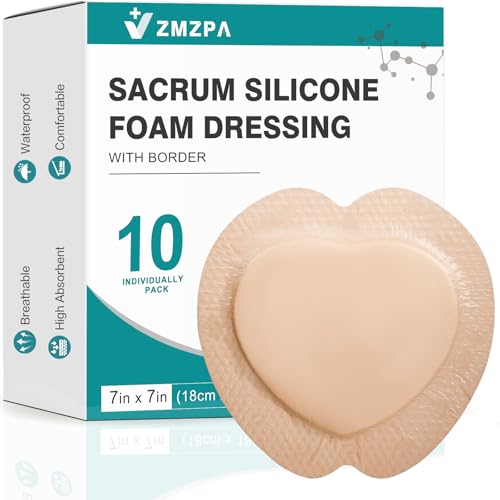
This is the only wound dressing here, not a gel seat cushion: each pack contains ten 7-by-7-inch sacral silicone foam dressings. The manufacturer describes a four-layer construction and claims absorption of 15 times its weight in wound fluid, along with a silicone border intended to adhere to dry skin without sticking to the wound. Those are product claims, not a treatment recommendation. Choose a dressing only when it matches the care plan for the wound; it does not provide the seating support of a chair cushion.
Bottom line: Choose this only when a sacral foam dressing is the needed format.
How to choose a gel seat pad for pressure sores
Start with whether you need a seat cushion or a wound dressing; these products do different jobs. Seat cushions are placed between the person and chair, while a sacral dressing covers a wound. Among seat pads, compare the cushion footprint with the chair’s usable seat area, then consider thickness and construction. A 3-inch cushion changes sitting height more than a roughly 1.5- to 1.65-inch pad, which can affect foot placement and armrest alignment. If the cushion extends beyond the seat or moves during transfers, it may not be a suitable fit. For a sore that is open, worsening, or painful, ask a healthcare professional about wound care and seating rather than relying on a cushion’s marketing claim.
Seat cushion size and chair fit
Measure the flat usable seat width and depth before selecting a pad; a cushion should fit within the seating area rather than overhang the edges. The gel seat pads here range from 18 by 16 inches to 19 by 17.92 inches, so even products described as large are not identical in footprint. Thickness matters too: a thicker pad raises the sitting surface and can change how a person reaches footrests, desk height, or armrests. If the chair has less than 1.5 inches of clearance under a table or armrest, avoid assuming a 1.5-inch cushion will fit without changing posture; check the complete setup while seated. Recheck fit after adding a cover, since fabric can affect grip and positioning.
Gel cushions and sacral dressings are different
A gel seat cushion supports the seated body; a foam dressing is applied over a wound according to a care plan. The seating pads in this group have honeycomb or zoned designs, while the sacral dressing is a 7-by-7-inch, four-layer foam product with a silicone border. Cooling channels may improve airflow through a cushion, but airflow is not the same as wound coverage or pressure-injury treatment. Use this quick distinction when sorting the formats:
| Need | Format | Key check |
|---|---|---|
| Seated support | Gel seat cushion | Seat dimensions and thickness |
| Sacral wound coverage | Foam dressing | Care-plan suitability and wound size |
Do not use a cushion as a dressing or assume a dressing will make a chair more supportive.
Pressure sore care and cushion safety
A pressure sore needs clinical attention, particularly when skin is open, discolored, increasingly painful, or showing signs of infection. A cushion’s description of pressure relief or prevention is a manufacturer claim, not proof that it will prevent or treat an injury. Sitting position, mobility, moisture, and the condition of the skin all affect pressure-injury risk, so one seat pad cannot replace an individualized care plan. Check that a cushion stays stable and does not create a new pressure point at an edge, seam, or transfer surface. Ask a clinician or seating specialist to assess the chair and cushion if the user has limited mobility, an existing sore, or difficulty repositioning independently.
Frequently Asked Questions
Can a gel seat cushion heal a pressure sore?
A gel seat cushion should not be treated as a wound-healing device. An open or worsening sore needs assessment by a healthcare professional, who can advise on wound care and appropriate seating.
How do I measure a wheelchair seat for a gel pad?
Measure the usable flat width and depth of the seat, then compare both dimensions with the cushion. A pad that overhangs the seat or shifts during transfers may create fit and stability problems.
Does a thicker gel cushion always relieve more pressure?
Thickness alone does not establish how well a cushion distributes pressure. A 3-inch pad also raises sitting height more than a 1.5-inch pad, so check footrest, armrest, and transfer alignment.
Are honeycomb gel pads breathable for long sitting?
Honeycomb openings are designed to allow airflow through the gel, but they do not guarantee that skin will remain dry or prevent a pressure injury. Check the skin regularly and ask a clinician about persistent redness or discomfort.
Can I put a wound dressing under a seat cushion?
Use a wound dressing under seating only if the wound-care professional approves that combination. A dressing’s fit and adhesion do not make it a substitute for a cushion designed to support seated positioning.